Mold can develop quietly in your home, often appearing in places you don’t check every day. In a humid environment like Miami, it doesn’t take much for mold to grow—just a small leak, condensation, or trapped moisture can trigger it. Within a short time, what starts as a few spots can begin to spread across surfaces.
Knowing how to clean small areas of mold safely is important if you want to handle the issue early. When addressed quickly and properly, small mold problems can be managed before they turn into something more serious. At the same time, it’s important to understand the limits of DIY cleaning and when a situation may require professional attention.
Why Mold Should Be Addressed Quickly
Mold is more than just a surface issue. While it may start as visible spots on walls or ceilings, it can spread into porous materials such as drywall, wood, or fabric. Once it moves beneath the surface, it becomes harder to remove and more likely to return.
Another concern is moisture. Mold thrives in damp conditions, and Miami’s climate creates the perfect environment for it to grow quickly. Even after cleaning, if moisture remains, mold can reappear in the same area.
Addressing mold early helps prevent:
- Damage to walls, ceilings, and other materials
- The spread of mold to other areas of the home
- Persistent moisture problems
- More complex and costly cleanup in the future
Taking action as soon as you notice mold can make a significant difference in keeping the issue contained.
How to Clean Small Areas of Mold Safely
1. Identify the Size and Source of the Mold
Before you begin cleaning, take time to evaluate the situation. Not all mold problems are the same, and understanding the extent of the issue helps determine whether it’s safe to handle on your own.
Look closely at the affected area. If the mold is limited to a small surface and hasn’t spread deeply into materials, it may be manageable with proper cleaning. At the same time, try to identify what caused it. This could be a minor leak, condensation, or poor ventilation.
If the source of moisture isn’t addressed, the mold will likely return no matter how well you clean it.
2. Prepare the Area Before Cleaning
Preparation is an important step that is often overlooked. Cleaning mold can release spores into the air, which can spread to other parts of your home if the area is not properly contained.
Start by improving ventilation. Open windows if possible, or use a fan to help direct airflow. You may also want to close off nearby areas to prevent spores from traveling.
Next, remove any nearby items that could be affected during cleaning. This includes fabrics, paper materials, or anything that can absorb moisture. Keeping the area clear makes the cleaning process more effective and reduces the risk of spreading mold.
3. Wear Proper Protective Gear
Safety should always come first when dealing with mold. Even small areas can release spores that may irritate your skin, eyes, or respiratory system.
To protect yourself, wear basic protective gear. This includes gloves to prevent direct contact, a mask to avoid inhaling spores, and eye protection if available. While this may seem simple, it plays an important role in making sure you can clean safely without exposing yourself to unnecessary risks.
4. Apply a Safe Cleaning Solution
Choosing the right cleaning solution is key when learning how to clean small areas of mold safely. For small surface-level mold, mild solutions are usually enough to remove it effectively.
Common options include:
- A mixture of water and detergent for general cleaning
- White vinegar applied directly to the affected area
- Baking soda solutions for a gentler approach
Apply the solution to the moldy surface and allow it to sit for a few minutes. This helps break down the mold and makes it easier to remove.
It’s important not to mix different cleaning chemicals, as this can create harmful reactions. Stick to one solution at a time for safety and effectiveness.
5. Gently Scrub the Affected Surface
Once the cleaning solution has had time to work, the next step is to remove the mold from the surface. Use a soft brush or cloth to gently scrub the area. The goal is to remove visible mold without damaging the material underneath.
Focus on both the affected spot and the surrounding area, as mold spores can spread slightly beyond what is visible. Take your time during this step to ensure the surface is thoroughly cleaned.
After scrubbing, wipe away any remaining residue with a clean cloth. This helps remove loosened mold particles and cleaning solution from the surface.
6. Dry the Area Completely
Cleaning alone is not enough if moisture is still present. Drying the area completely is one of the most important steps in preventing mold from coming back.
You can speed up the drying process by increasing airflow. Open windows, use fans, or run a dehumidifier if available. The goal is to remove any remaining moisture as quickly as possible.
Even a slightly damp surface can allow mold to return, especially in humid environments. Taking extra time to ensure the area is fully dry can help prevent repeat growth.
7. Monitor and Prevent Future Growth
After cleaning, it’s important to keep an eye on the area over time. Mold can return if the underlying cause hasn’t been fully resolved.
Watch for any signs such as discoloration, musty odors, or dampness. If you notice mold starting to reappear, it may indicate a deeper issue that needs attention.
To reduce the chances of mold coming back, focus on controlling moisture levels in your home. This can include improving ventilation, fixing leaks quickly, and using a dehumidifier in areas prone to humidity.
When to Call Professionals
While it’s helpful to know how to clean small areas of mold safely, not every situation can be handled on your own. Some cases require professional tools and expertise to fully resolve the issue.
You should consider professional help if:
- The mold covers a larger area than expected
- It keeps returning after cleaning
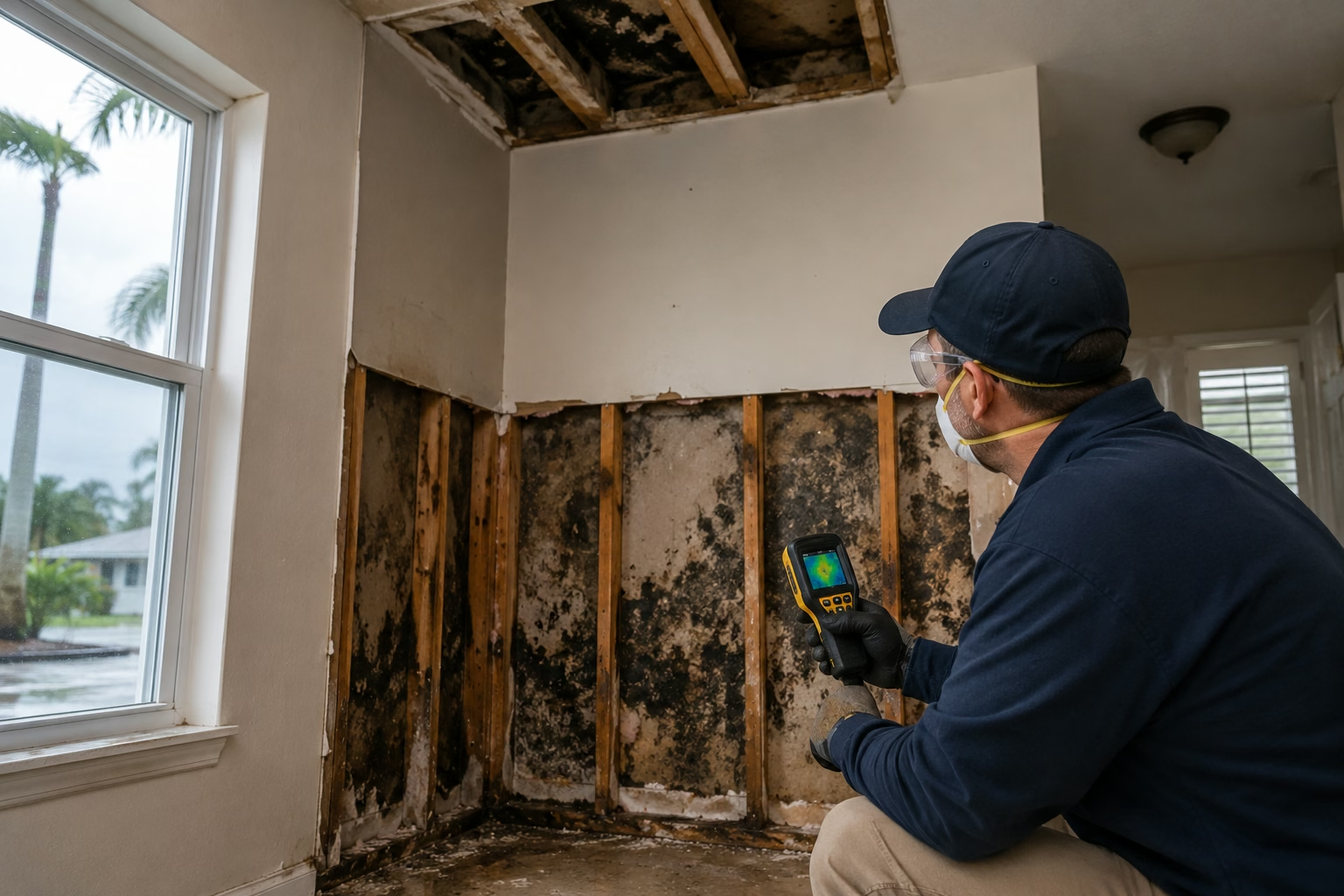
- It has spread into walls, ceilings, or flooring
- There is a strong or persistent musty odor
Professionals can identify hidden moisture sources, remove mold safely, and ensure the affected area is properly treated and dried. This reduces the risk of the problem coming back.
FAQs
Can I clean mold myself?
Yes, small areas of mold can often be cleaned safely if proper precautions are taken and the mold has not spread extensively.
How do I know if mold is too much to handle on my own?
If the mold covers a large area, keeps returning, or appears to be inside walls or flooring, it’s best to seek professional help.
What is the safest way to clean mold?
Using mild cleaning solutions, wearing protective gear, and ensuring proper ventilation are some of the safest ways to handle small mold problems.
Will mold return after cleaning?
Mold can return if the source of moisture is not addressed. Proper drying and moisture control are essential to prevent regrowth.
Is mold always visible?
Not always. Mold can grow behind walls or under surfaces, which is why musty odors or persistent moisture should not be ignored.
Final Thoughts
Understanding how to clean small areas of mold safely gives you the ability to act quickly when you notice early signs of growth. By taking the right steps—from identifying the source to drying the area completely—you can manage small mold issues before they become more serious.
At the same time, it’s important to recognize when the situation goes beyond a simple cleanup. Addressing moisture problems and knowing when to seek professional help are key to keeping your home safe and free from long-term damage.
The Paul Davis team is local, available 24/7, and equipped to assess, dry, and remediate moisture and mold problems in South Florida homes. Prevention is always the better path, but when mold does appear, fast professional response makes a significant difference in the outcome.
Call Us 24/7 for a Free Inspection: 305-787-2260
Paul Davis Restoration of Miami Beach & Hialeah acts quickly to stop damage in Aventura, Miami Beach, Hialeah, Doral, and beyond.