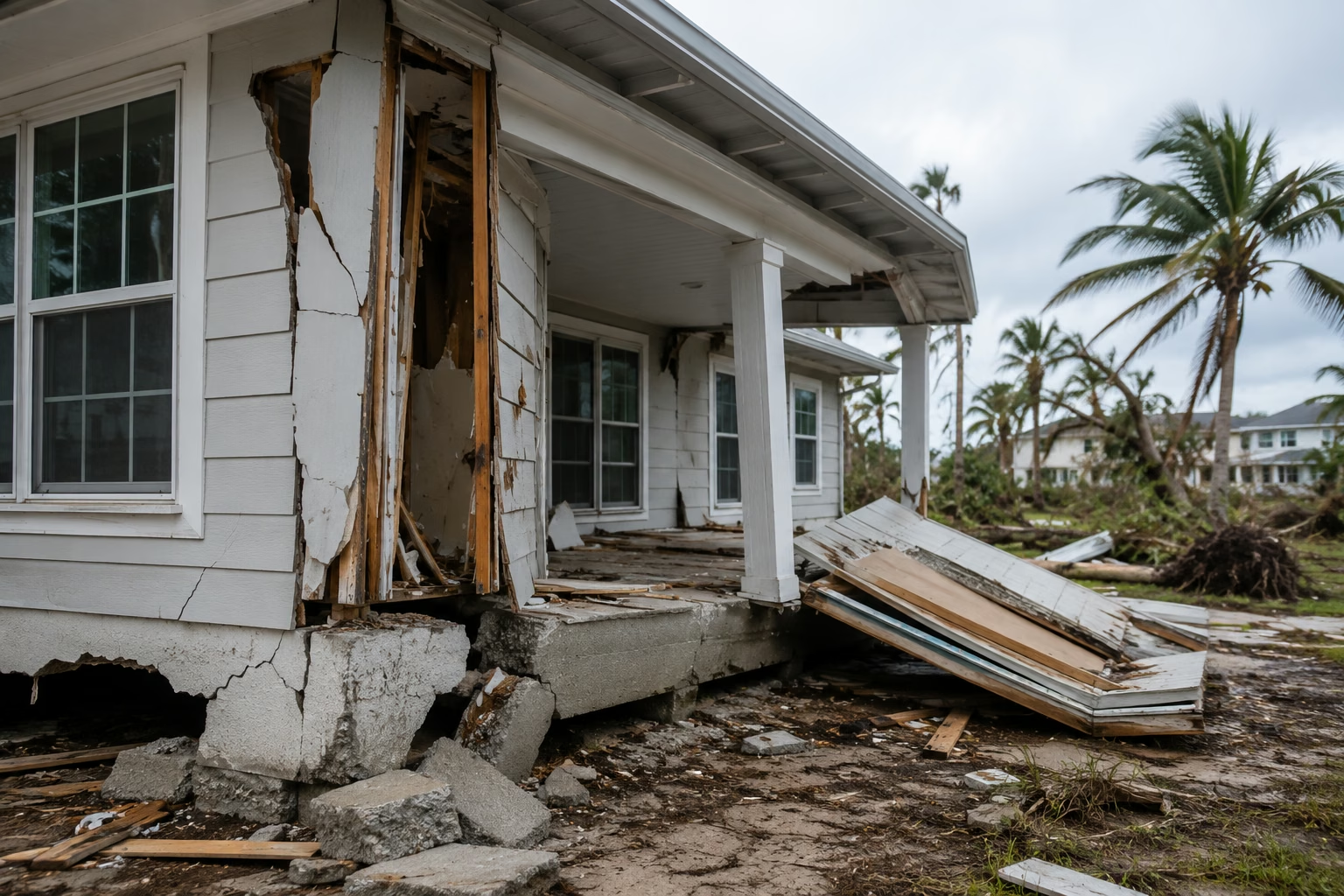
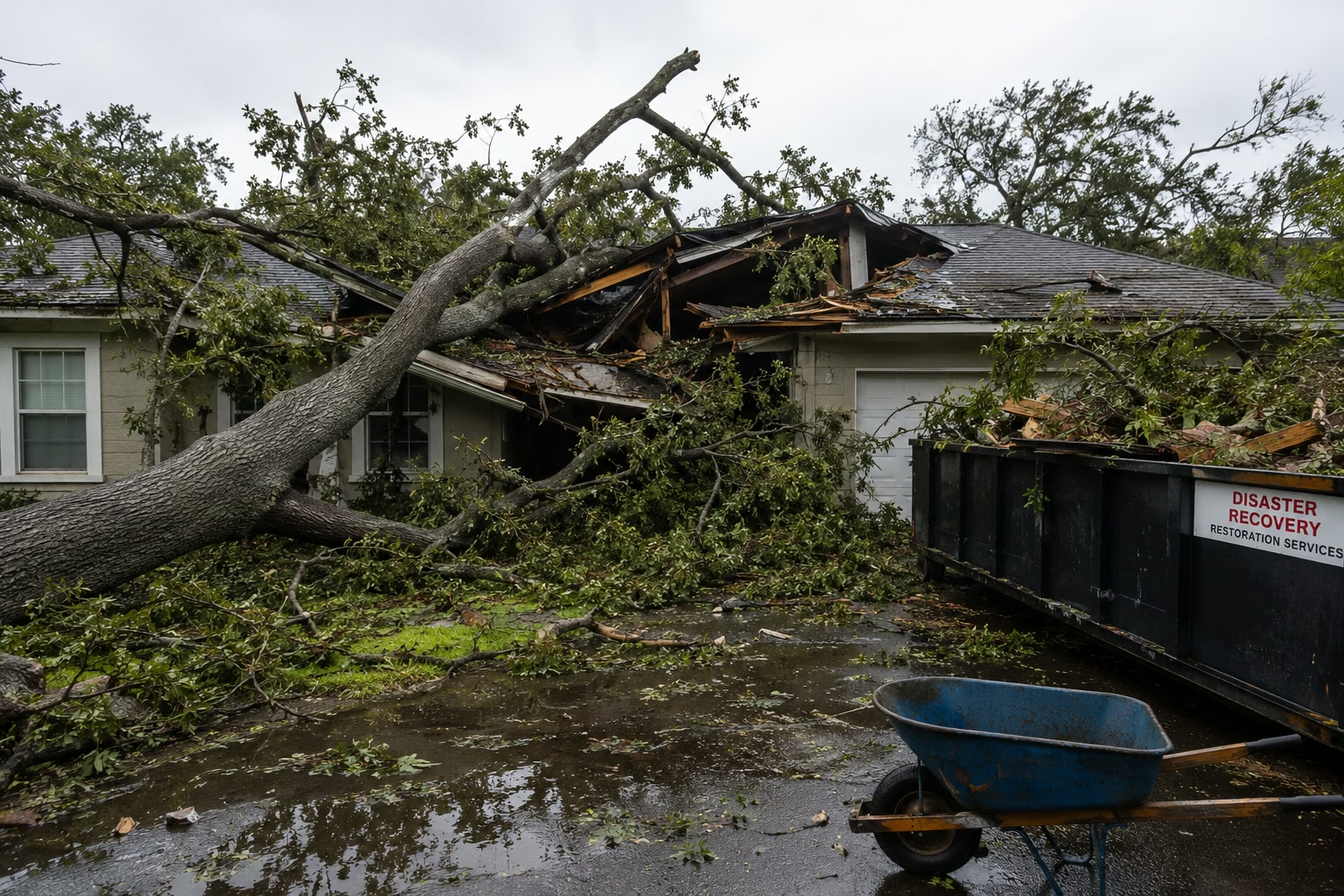
Tree and debris impact is one of the most dramatic forms of hurricane damage — and one of the most deceptive. A tree on a roof or a fence demolished by airborne debris looks like a contained problem with a clear solution. In reality, tree and debris impact almost always creates secondary damage that extends well beyond the point of contact and requires a restoration approach that goes significantly further than simply removing what is visible.
For Miami-Dade homeowners dealing with tree or debris impact after a hurricane, understanding what the full restoration process involves — and why it matters — is the difference between a complete recovery and one that resurfaces as a larger problem months later.
How Hurricanes Turn Trees and Debris Into Projectiles
Hurricane-force winds do not just knock trees over — they uproot them, snap them mid-trunk, and launch branches and debris at speeds capable of penetrating roofing, siding, and windows. In Miami-Dade, where mature tree canopy is dense in many neighborhoods, falling trees and wind-driven debris are among the most common sources of structural damage during a direct hurricane hit.
The damage created by a falling tree or high-velocity debris is rarely limited to the surface it contacts. A tree that falls through a roof opens the structure to water intrusion immediately. A branch that penetrates a wall creates a breach that wind-driven rain exploits for the duration of the storm. And debris that damages a window or door allows water and wind into the interior in ways that compound rapidly over the hours a storm passes.
What Tree and Debris Impact Actually Damages
The visible damage from a tree or debris strike — crushed roofing, a broken window, a section of damaged siding — is only the beginning of the assessment. The impact point is where the damage starts, not where it ends. A tree through a roof typically means damaged roof decking, compromised structural framing, saturated insulation, and water-affected ceiling and wall assemblies beneath the impact zone.
The longer the breach remains open during the storm, the further water intrusion travels through the structure. In a storm that passes over several hours, a roof breach from a tree impact can allow enough water into the home to saturate multiple rooms — water that then moves into wall cavities, subfloor spaces, and ceiling assemblies far from the original impact point. Read our post on storm water intrusion to understand how water travels through a home’s structure after an entry point is created.
The Immediate Safety Risks After Tree Impact
Tree and debris impact creates safety hazards that need to be addressed before any assessment or restoration work begins. A tree resting on a structure may be under tension — removing it without proper rigging and technique can cause secondary structural collapse or send the tree shifting in an unpredictable direction. Downed trees that are in contact with power lines present electrocution risk that requires utility company involvement before the tree is approached.
Inside the home, a roof breach creates the possibility of ceiling collapse from the weight of accumulated water in the ceiling assembly. If a tree or debris impact occurred over a living space and the ceiling shows signs of bulging, discoloration, or sagging, that area should be vacated and assessed by a professional before re-entry. Our post on what to do after a hurricane covers the full safety assessment sequence before re-entering a storm-affected home.
What the Restoration Process Looks Like
Tree and debris impact restoration follows a sequence that begins with safety and ends with confirmed structural integrity. The first step after safe access is established is emergency stabilization — covering the breach with tarping to stop ongoing water entry, removing debris that poses an immediate structural risk, and securing any compromised openings. Read our post on tarping a roof after storm damage for what emergency roof covering involves and why it needs to happen immediately after impact damage is identified.
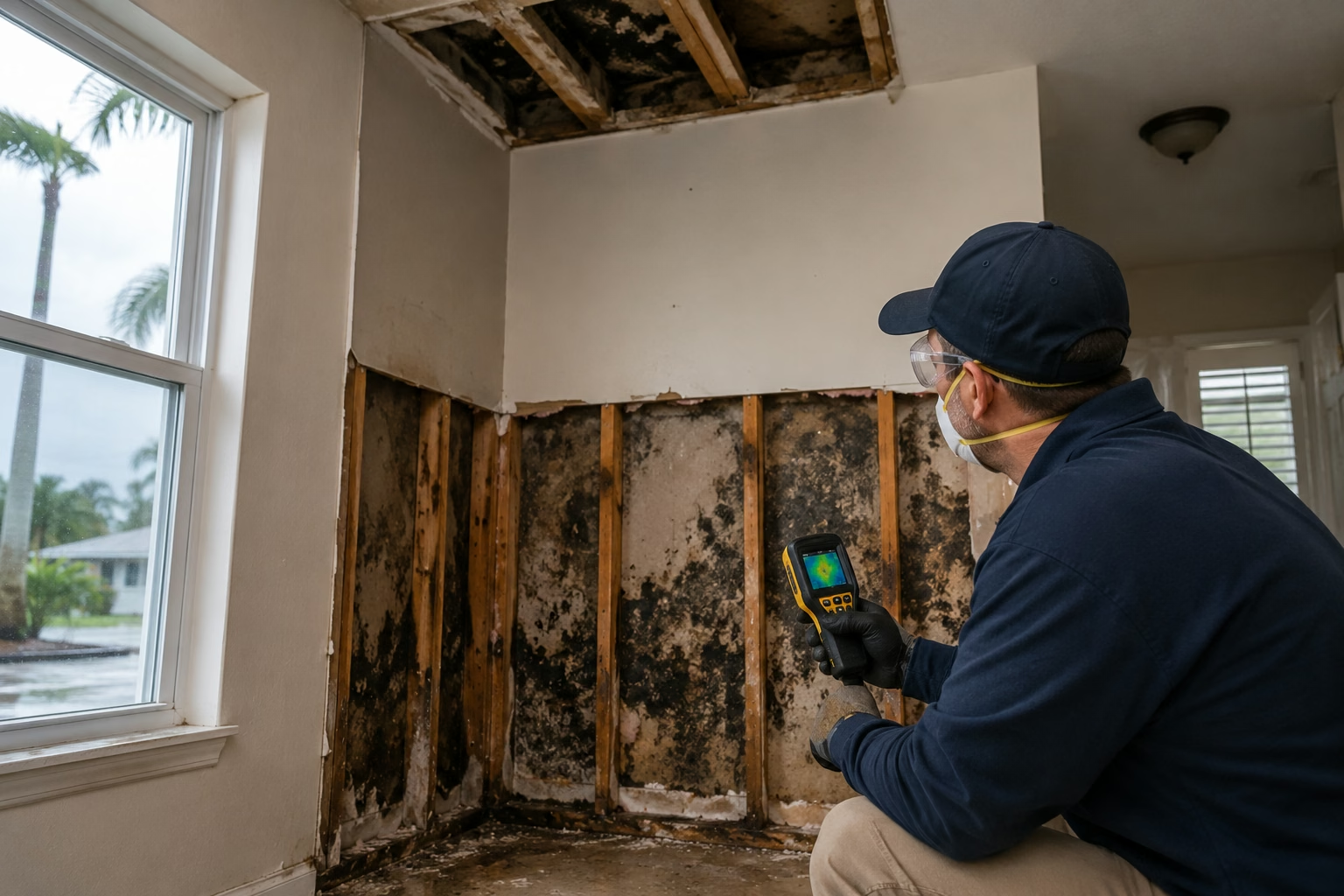
Once the structure is stabilized, a full assessment of the damage extends well beyond the impact point. Moisture detection equipment identifies how far water traveled from the breach into surrounding structural assemblies. The assessment determines what materials can be dried and treated in place versus what requires removal and replacement. Structural elements affected by the impact itself — framing, decking, load-bearing components — require evaluation separate from the water damage assessment.
Mold Risk After Tree and Debris Impact
Any hurricane damage that creates a roof or wall breach carries significant mold risk in Miami-Dade’s climate. Water that entered through a tree impact zone during the storm can begin supporting mold growth in ceiling and wall cavities within 24 to 48 hours — particularly when power is out and air conditioning is offline. The mold risk is not limited to the area directly beneath the impact point. Water that traveled laterally through the ceiling assembly or down wall cavities creates mold conditions across a broader area than the visible damage suggests.
Fast stabilization of the breach, prompt water extraction, and professional structural drying are the most effective mold prevention steps after tree and debris impact damage. Our post on how to prevent mold growth after hurricane water damage in Miami-Dade covers the full prevention process in detail.
Insurance Coverage for Tree and Debris Impact Damage
Structural damage caused by a tree or debris impact during a hurricane is typically covered under standard Florida homeowners insurance as a wind-related loss. The damage to your home — roof, walls, interior — is generally covered regardless of whether the tree originated on your property or a neighbor’s. The tree removal itself is a separate line item and coverage varies by policy — most standard policies cover removal up to a specified limit when the tree has damaged a covered structure.
Photograph all visible damage before any removal or stabilization work begins. Document the impact point in detail, the debris involved, and the full extent of damage visible from safe vantage points. This documentation is essential for your claim — adjusters need a clear record of conditions immediately after the storm. Learn more about the claims process in our post on how to file a hurricane damage insurance claim in Florida.
Work With a Team That Covers the Full Scope
Tree and debris impact restoration requires coordination across multiple phases — emergency stabilization, debris management, structural assessment, water extraction and drying, mold prevention, and structural repair. A restoration team that handles all of those phases under one coordinated process keeps the recovery moving without gaps between contractors and ensures nothing is overlooked between stabilization and final repair.
Paul Davis Restoration of Miami Beach and Hialeah responds 24/7 to hurricane tree and debris impact damage throughout Miami-Dade County. Our IICRC-certified team handles emergency stabilization, full structural moisture assessment, extraction and drying, and coordination with insurance adjusters from the first call through final restoration. Contact our water damage restoration services team as soon as it is safe to reach out.
Frequently Asked Questions
Is tree damage from a hurricane covered by homeowners insurance in Florida? Structural damage to your home caused by a falling tree during a hurricane is typically covered under standard Florida homeowners insurance as a wind-related loss — regardless of whether the tree came from your property or a neighbor’s. Tree removal costs are a separate coverage item and subject to policy-specific limits. Document all damage thoroughly before removal begins and report the claim promptly to protect your coverage.
What should I do immediately after a tree hits my home during a hurricane? Do not attempt to assess or remove the tree until the storm has fully passed and it is confirmed safe to re-enter the property. Check for downed power lines before approaching the structure. Once safe, document all visible damage with photos and video before touching anything. Contact a restoration team for emergency stabilization — covering the breach to stop ongoing water entry is the most time-sensitive step after the immediate safety assessment is complete.
Can tree impact damage lead to mold in my Miami-Dade home? Yes — and the risk develops quickly. Any breach in the roof or walls created by tree or debris impact allows water entry that can begin supporting mold growth within 24 to 48 hours in Miami-Dade’s climate. The mold risk extends beyond the visible impact zone to wherever water traveled through ceiling and wall assemblies during the storm. Fast professional response — stabilization, extraction, and structural drying — is the most effective way to prevent mold from establishing after tree impact damage.
Tree and debris impact from a hurricane creates a restoration challenge that goes well beyond removing what is visible. In Miami-Dade, where post-storm heat and humidity accelerate every secondary damage process, fast stabilization and thorough assessment from the point of impact outward is what determines how complete the recovery is.
Call us before or after the storm: 305-749-5728
Paul Davis Restoration of Miami Beach and Hialeah serves Miami Beach, Hialeah, Doral, Aventura, and surrounding Miami-Dade County communities.