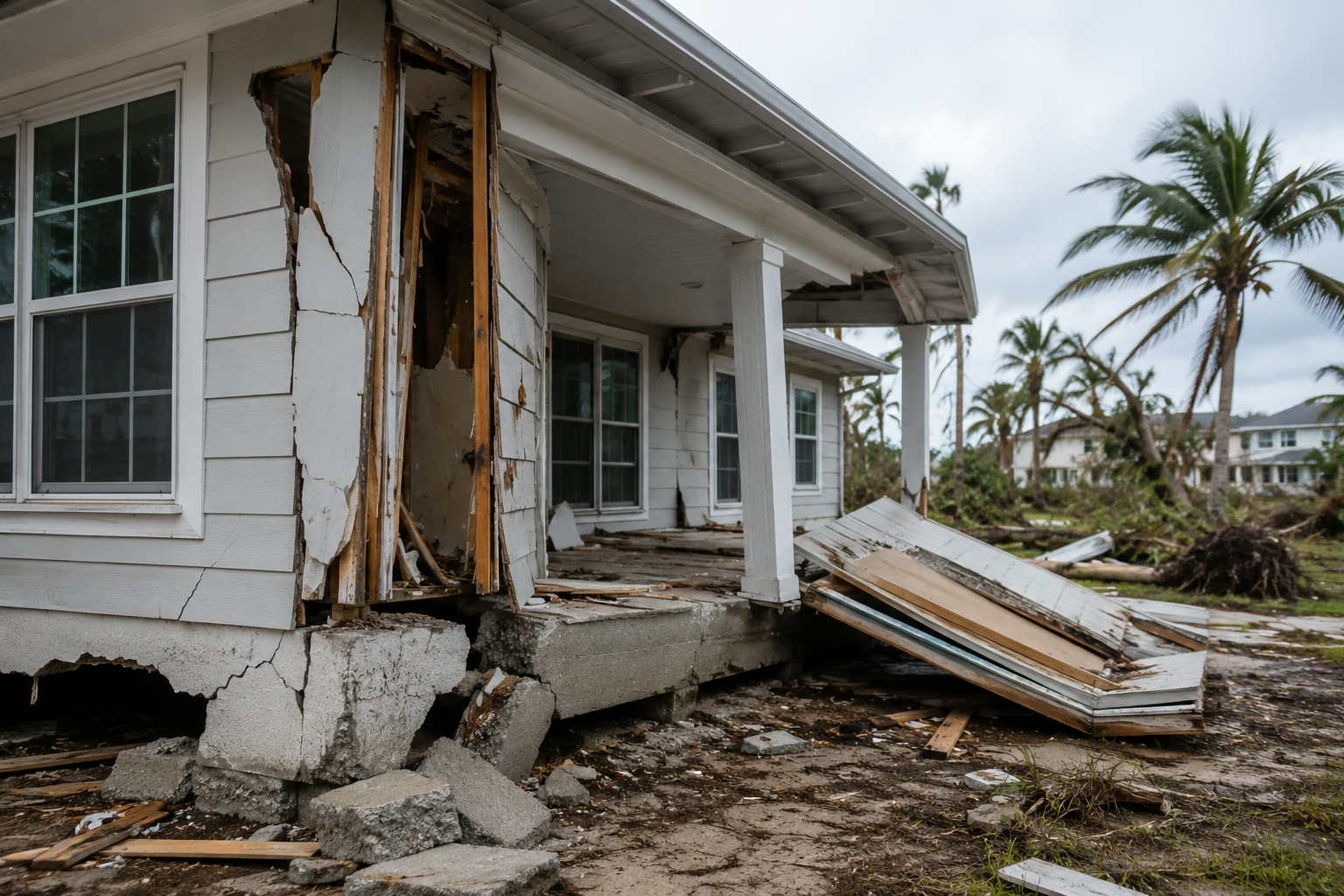
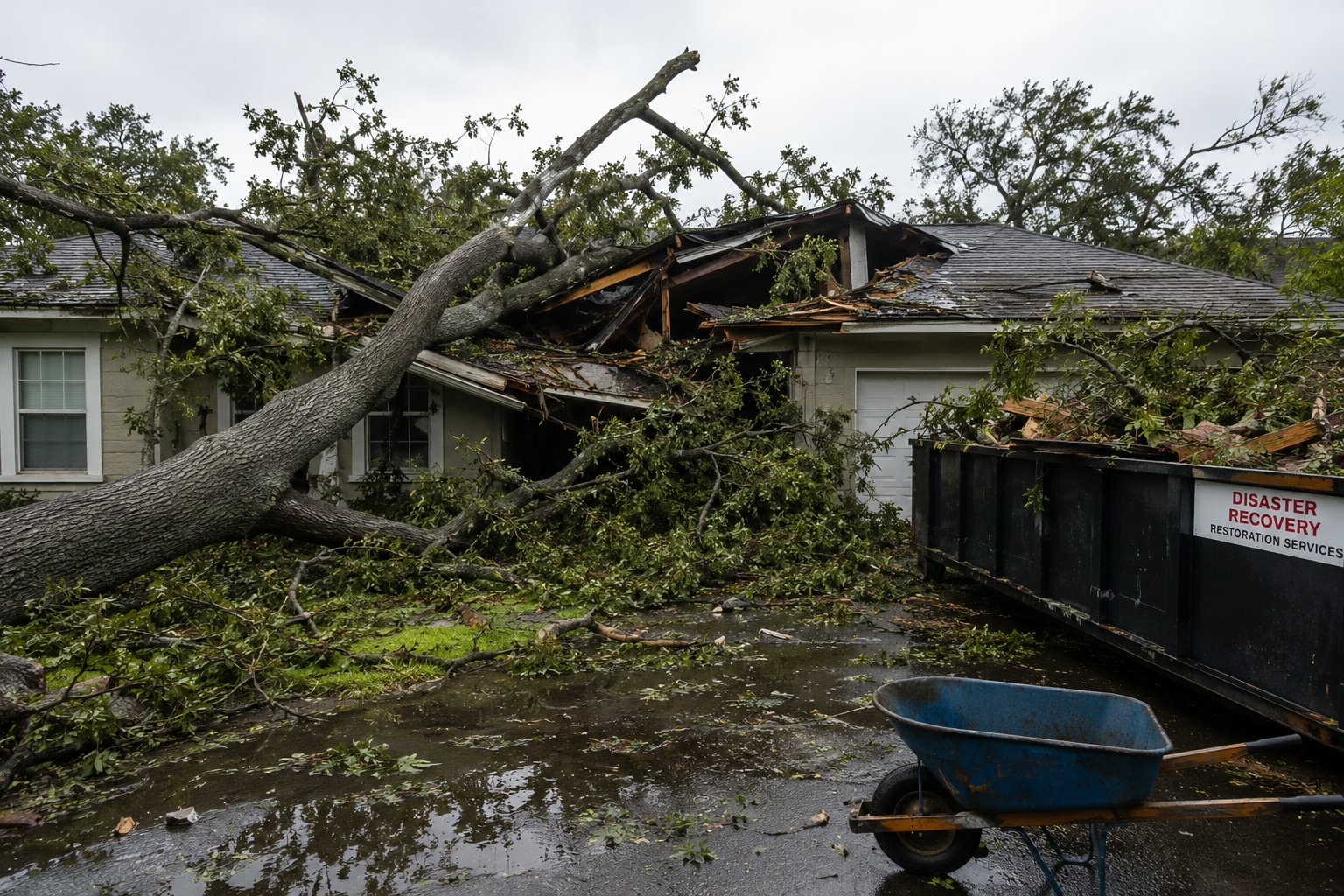
Not all water damage after a hurricane is the same — and in Miami-Dade, where storm surge from the Atlantic and Biscayne Bay can push ocean water deep into residential neighborhoods, understanding the difference between saltwater and freshwater damage matters significantly. Saltwater does not just saturate materials the way rainwater does. It corrodes, contaminates, and continues degrading structural components long after the water itself has receded.
Homeowners who treat storm surge damage the same way they would treat rainwater flooding often discover weeks later that the damage has continued progressing beneath the surface. Here is why saltwater storm surge requires a fundamentally different restoration approach.
Why Saltwater Is More Destructive Than Rainwater
Rainwater flooding causes damage primarily through saturation — materials absorb water, swell, weaken, and become susceptible to mold if not dried quickly. Remove the water, dry the materials thoroughly, and the damage progression stops.
Saltwater does not work that way. When storm surge enters a home, it deposits salt minerals into every porous surface it contacts. Those mineral deposits remain embedded in the material even after the water evaporates — and they continue drawing moisture from the air, accelerating corrosion in metal components and sustaining the conditions for ongoing material degradation. In Miami-Dade’s humid climate, that cycle does not stop on its own. Read our post on storm surge vs. flooding for a full breakdown of how these two water events differ and what each means for your home.
What Saltwater Does to Structural Materials
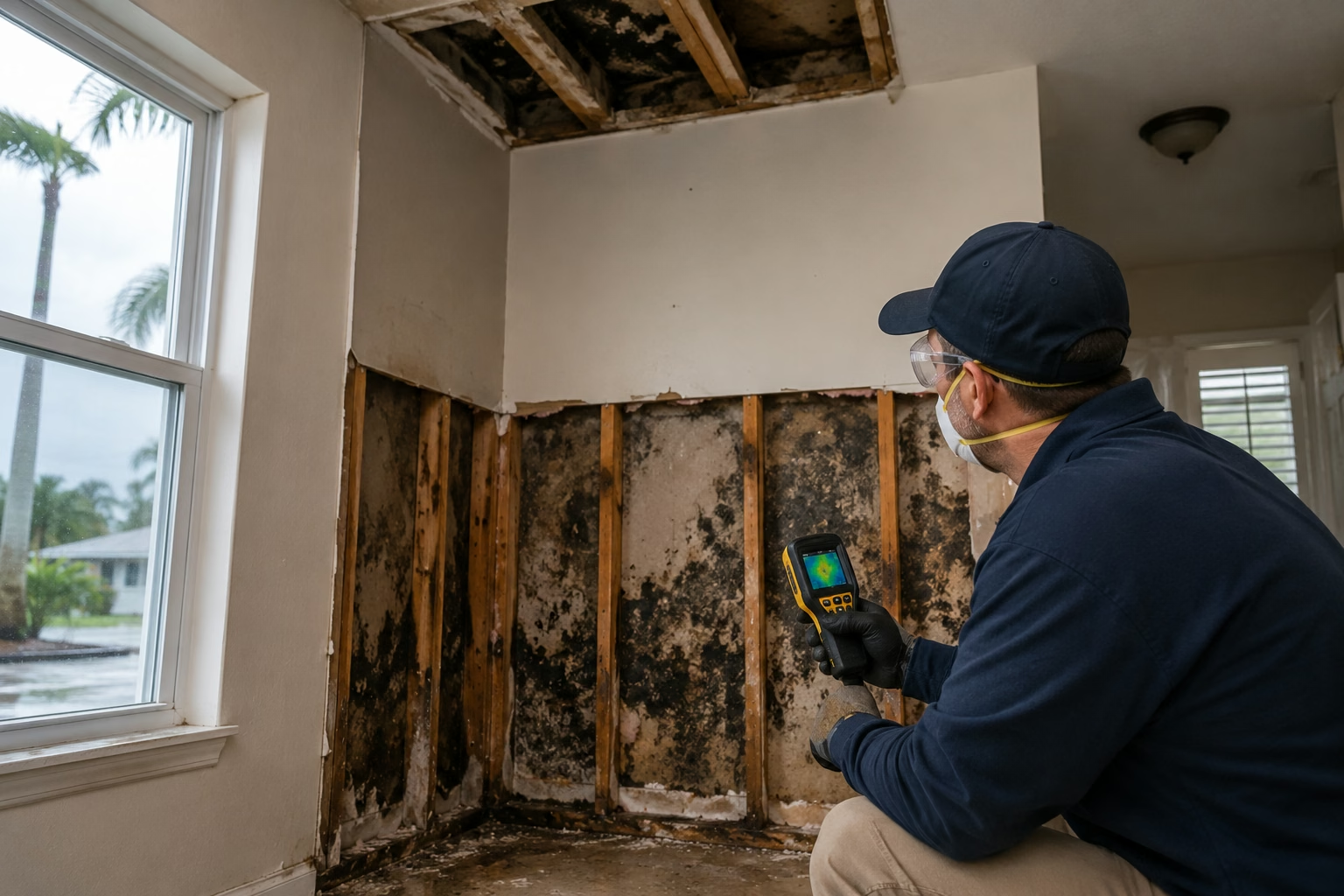
Drywall, wood framing, insulation, and concrete all respond to saltwater exposure differently than they do to freshwater. Drywall that has absorbed saltwater cannot simply be dried and preserved — the salt embedded in the material continues drawing ambient moisture and will sustain mold conditions indefinitely if left in place. In most cases, saltwater-affected drywall requires full removal rather than drying and treatment.
Wood framing exposed to saltwater begins a corrosion process in the metal fasteners — nails, screws, and hardware — that hold the structure together. This fastener corrosion is not immediately visible but weakens structural connections over time. Concrete surfaces absorb salt that causes internal expansion and cracking as the mineral deposits grow — a process known as salt crystallization damage that can compromise the integrity of foundations, slabs, and masonry walls.
What Saltwater Does to Electrical Systems
Electrical systems are among the most seriously affected components after saltwater storm surge. Saltwater is significantly more conductive than freshwater, which increases the risk of electrical hazards when power is restored to a surge-affected home. Beyond the immediate safety risk, the corrosive properties of saltwater accelerate deterioration of wiring insulation, panel components, outlet hardware, and junction boxes.
Electrical components that were submerged in saltwater — even briefly — should be considered compromised until assessed by a licensed electrician. Corrosion in these components can continue progressing for weeks after the initial exposure, creating hazards that are not present immediately after the storm but develop as the salt works its way through the materials.
What Saltwater Does to HVAC Systems and Appliances
Outdoor HVAC condensing units are particularly vulnerable to saltwater storm surge. The condenser coils, fan components, and electrical connections in these units are designed to handle weather exposure — not submersion in corrosive saltwater. Units that were reached by storm surge require professional assessment before operation, regardless of whether visible damage is apparent.
Major appliances — water heaters, washing machines, refrigerators — that were submerged in saltwater are generally considered total losses even when they appear externally intact. The internal components corrode rapidly after saltwater exposure, and operating these appliances before assessment creates both safety risk and the potential for additional damage to the home’s electrical system.
Why Saltwater Cleanup Requires More Than Drying
Standard water damage restoration focuses on extraction and drying — removing water and confirming that structural materials return to acceptable moisture levels. Saltwater restoration requires those same steps plus a cleaning phase that standard freshwater restoration does not. Salt deposits left in structural materials after the water is removed continue causing damage indefinitely.
Affected surfaces need to be thoroughly cleaned to remove salt residue before drying begins — and in many cases, affected materials need to be removed entirely rather than treated in place. The mold risk from saltwater-affected materials is also elevated because the ongoing moisture draw from embedded salt creates persistent conditions for mold growth even in materials that appear dry at the surface. Our post on mold after a hurricane in Miami-Dade covers how mold establishes in these conditions and what remediation involves.
Insurance Implications of Storm Surge Damage
Storm surge is classified as flood damage for insurance purposes — meaning it is covered under a separate flood insurance policy, not standard homeowners coverage. This is a critical distinction for Miami-Dade homeowners filing claims after a hurricane that produced both wind damage and storm surge. Wind damage goes through the homeowners insurer and surge damage goes through the flood insurer — with separate adjusters, separate deductibles, and separate documentation requirements.
Keeping clear records of which areas of the home were affected by wind-driven rain versus storm surge helps both claims move forward without coverage disputes between the two insurers. Learn more about how these two policies interact in our post on wind vs. flood insurance in Florida.
Frequently Asked Questions
Is saltwater storm surge damage covered by homeowners insurance in Florida? No. Storm surge is classified as flood damage for insurance purposes and requires separate flood insurance coverage — typically through the National Flood Insurance Program or a private flood insurer. Standard Florida homeowners insurance covers wind damage but excludes flooding and storm surge. If your home sustained both wind damage and storm surge, you will file two separate claims under two separate policies.
Can saltwater-damaged drywall be dried and kept in place? In most cases, no. Drywall that has absorbed saltwater retains salt mineral deposits even after the water is removed. Those deposits continue drawing ambient moisture and sustaining mold conditions indefinitely if the material remains in place. Saltwater-affected drywall typically requires full removal and replacement rather than the drying and treatment approach used for freshwater-damaged drywall.
How do I know if my home sustained storm surge damage vs. rainwater flooding? The most reliable indicators are the water source and entry point. Storm surge typically enters from ground level and below, pushing in from exterior doors, garage openings, and foundation gaps — and the water carries debris and a distinct odor consistent with ocean or bay water. Rainwater flooding tends to enter from above through roof breaches or from overwhelmed drainage systems. A professional restoration assessment can confirm the water source and help establish the correct documentation for your insurance claim.
Work With a Team That Understands Saltwater Restoration
Saltwater storm surge restoration is not the same job as standard water damage mitigation — and not every restoration company approaches it the same way. The cleaning requirements, the material removal decisions, and the extended timeline for confirming that salt-related damage has been fully addressed require experience specific to coastal storm events.
Paul Davis Restoration of Miami Beach and Hialeah responds 24/7 to hurricane and storm surge damage throughout Miami-Dade County. Our IICRC-certified team is experienced with saltwater restoration — from surface cleaning and material assessment through structural drying and mold prevention — and works directly with both homeowners and flood insurers throughout the process. Contact our water damage restoration services team as soon as it is safe to reach out.
Saltwater storm surge damage in Miami-Dade requires more than standard water damage restoration — it requires a systematic approach that accounts for corrosion, contamination, and the ongoing damage that salt deposits cause long after the water is gone. Fast, thorough response from a team experienced with coastal storm events is what keeps that damage from compounding.
Call us before or after the storm: 305-749-5728
Paul Davis Restoration of Miami Beach and Hialeah serves Miami Beach, Hialeah, Doral, Aventura, and surrounding Miami-Dade County communities.