Visible mold after a hurricane is alarming — but it is rarely the full picture. The mold that causes the most long-term damage in Miami-Dade homes after hurricane flooding is the kind that cannot be seen at all from a standard walkthrough. It grows inside wall cavities, behind baseboards, beneath flooring, and in ceiling assemblies where moisture collects and airflow is limited — and by the time it becomes visible on a surface, it has typically been established for days.
Understanding where hidden mold develops after hurricane flooding, what signals its presence, and how to confirm it is there — or confirm it is not — is one of the most important parts of post-storm recovery for Miami-Dade homeowners.
Why Hidden Mold Is So Common After Hurricane Flooding
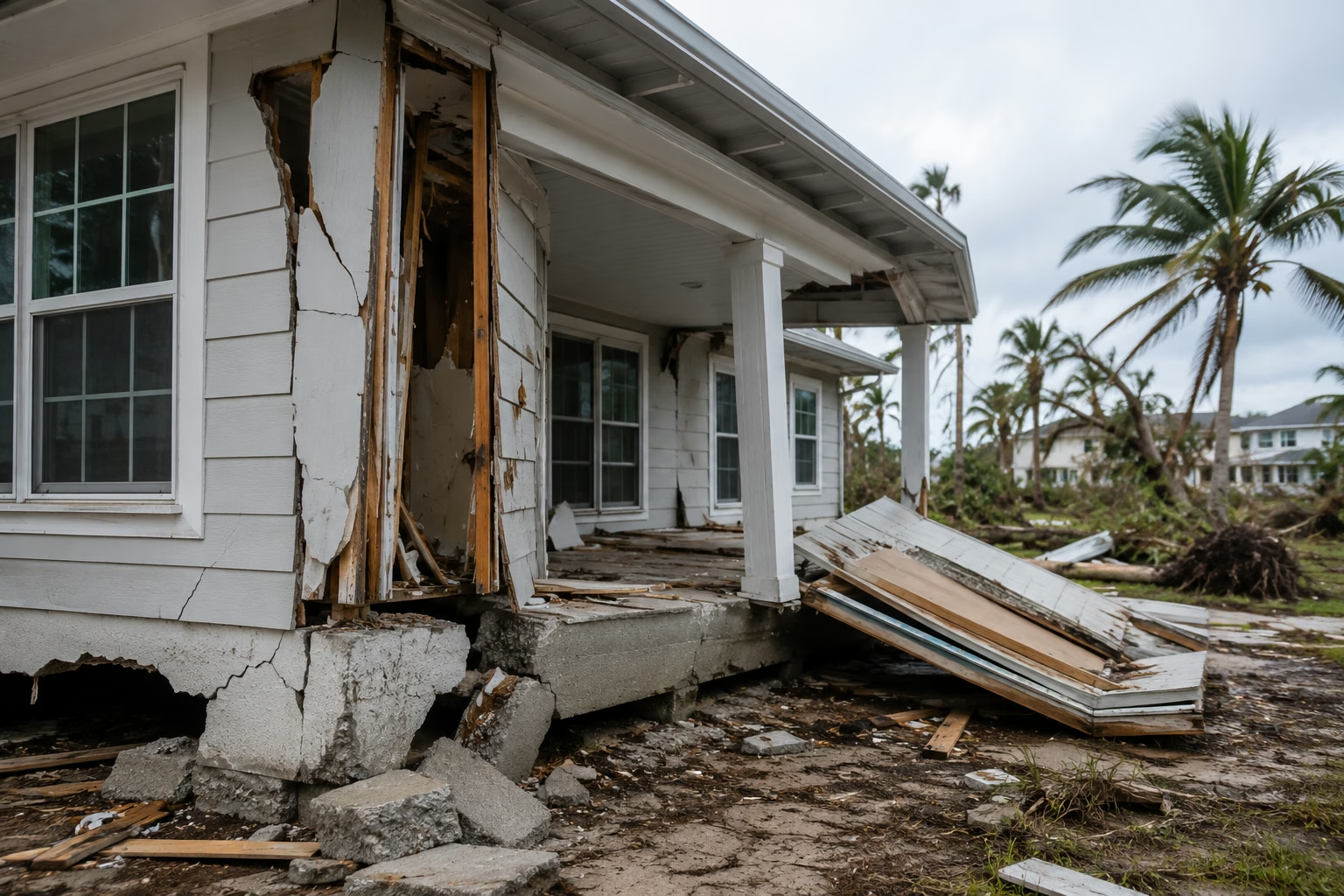
Floodwater does not stay where it lands. When water enters a home during a hurricane, it moves — through flooring into subfloor assemblies, up drywall by capillary action from the bottom, into wall cavities through gaps around outlets and baseboards, and across ceiling assemblies from a roof breach. The surfaces visible during a walkthrough represent only a fraction of where that water actually traveled.
In Miami-Dade’s post-hurricane conditions — high heat, elevated humidity, power outages cutting air conditioning — the moisture that settled into these hidden spaces finds near-ideal conditions for mold growth within 24 to 48 hours. Read our post on how mold starts after storm flooding to understand the specific conditions that accelerate mold development after a hurricane in Miami-Dade.
The Highest-Risk Locations for Hidden Mold
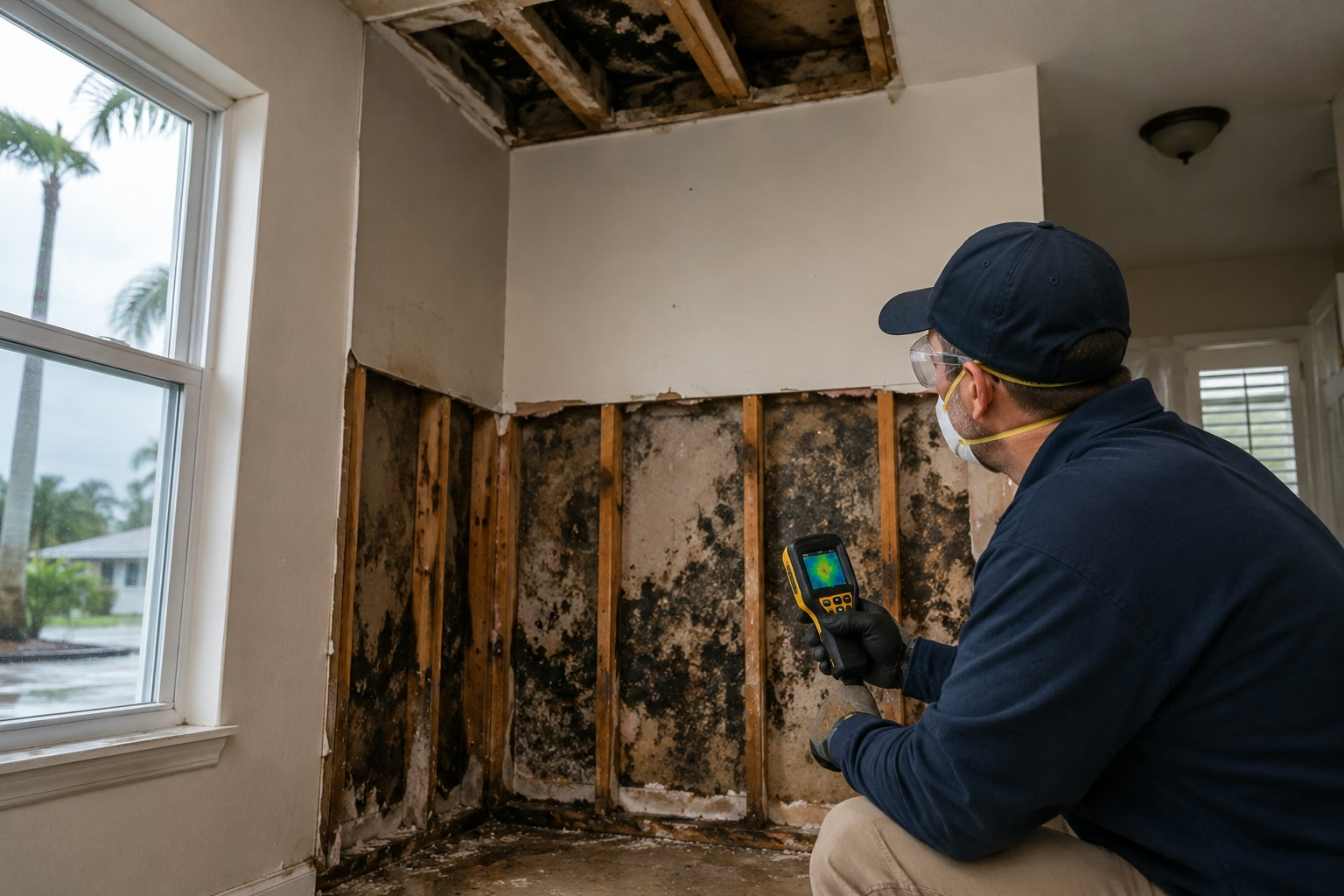
Certain areas of a home are significantly more likely to harbor hidden mold after hurricane flooding than others. Wall cavities along exterior walls — particularly those facing the direction of wind-driven rain — absorb moisture both from outside and from interior flooding and dry more slowly than interior walls due to insulation that retains moisture.
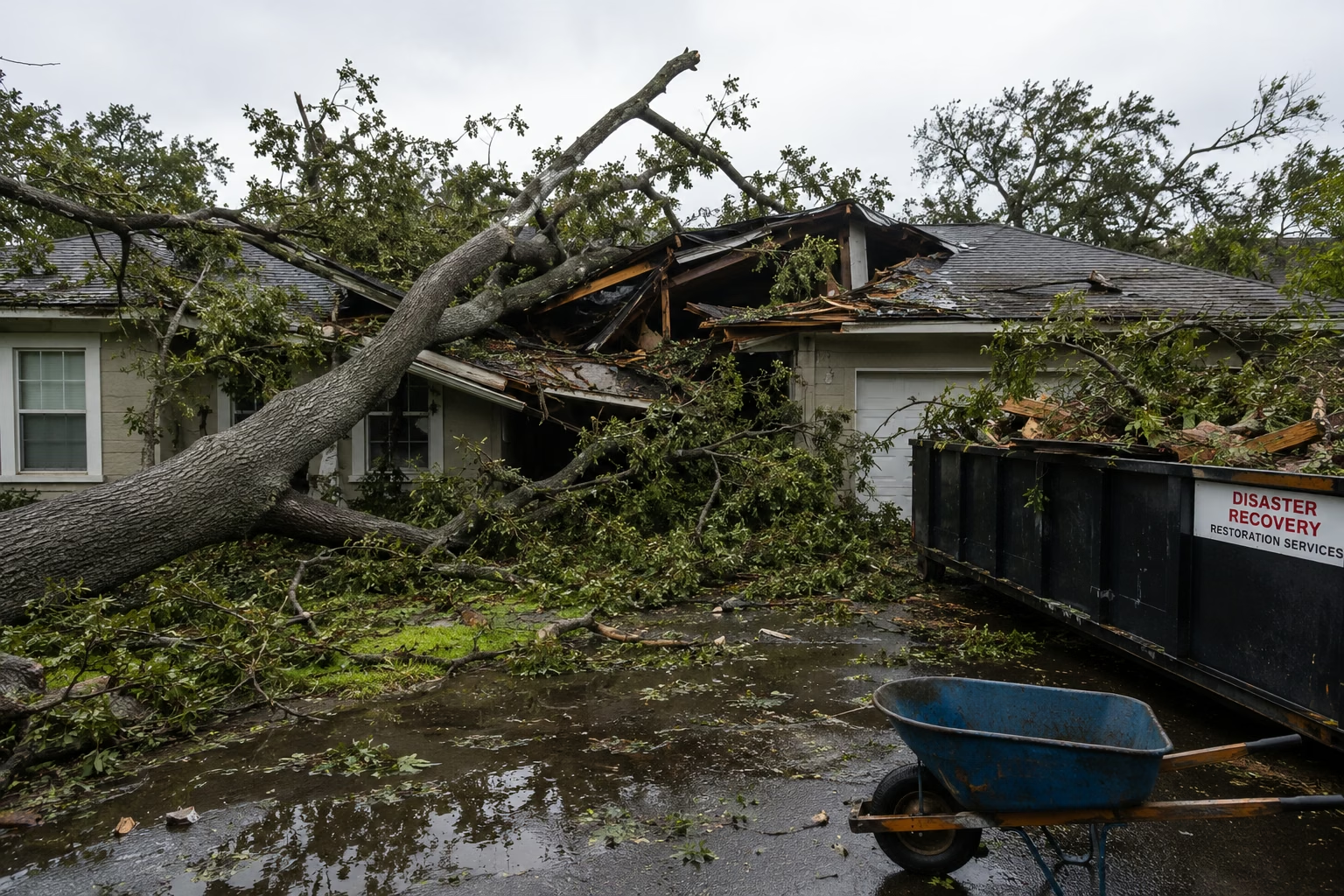
The space between the subfloor and finished flooring is another high-risk zone. Water that enters at ground level saturates this cavity quickly and dries slowly, creating persistent mold conditions that may not produce any visible surface sign for weeks. Ceiling assemblies beneath a roof breach are similarly vulnerable — water that enters from above pools in insulation and on top of drywall, where it can support extensive mold growth before the ceiling below shows any visible staining or sagging.
Signs That Hidden Mold May Be Present
Hidden mold communicates its presence through indirect signals before it becomes visible. A persistent musty odor that does not clear after the home has been aired out is one of the most reliable early indicators — mold produces volatile organic compounds that create a distinctive smell even when the growth itself is entirely concealed.
Discoloration or staining on drywall — particularly at the base of walls or in patches on ceilings — suggests moisture behind the surface, which may already be supporting mold growth. Bubbling, peeling, or warping paint on walls or ceilings indicates moisture between the paint and the substrate. Warped or buckled flooring, soft spots underfoot, and baseboards that have pulled away from the wall all point to moisture in subfloor and wall base areas where mold commonly establishes after flooding.
Why Visual Inspection Is Not Enough
A thorough visual inspection after hurricane flooding can identify signs that suggest hidden mold — but it cannot confirm whether mold is present inside structural assemblies or how far it has spread. The only reliable way to assess hidden moisture and the mold conditions it creates is professional moisture detection equipment.
Moisture meters and thermal imaging cameras identify saturation levels inside wall cavities, beneath flooring, and in ceiling assemblies without requiring destructive investigation of every suspect area. These tools detect the moisture that sustains hidden mold long before mold becomes visible — which means they identify the problem at the point where it is still manageable rather than after it has spread through multiple structural assemblies. Read our post on mold after a hurricane in Miami-Dade for a full breakdown of how mold develops inside a storm-affected home and what the remediation timeline looks like.
What to Do If You Suspect Hidden Mold
Do not attempt to investigate suspected hidden mold by cutting into walls or removing sections of flooring without professional guidance. Disturbing mold colonies without containment spreads spores throughout the home — dramatically expanding the remediation scope and the exposure risk for anyone in the structure.
Document all visible signs of suspected mold — staining, odor, warping, discoloration — with photos and note the locations. Contact a certified restoration team for a professional moisture assessment before any investigation or remediation work begins. If your hurricane insurance claim has not yet been filed or is still open, ensure all signs of suspected mold are documented as part of that claim. Learn more about building a thorough damage record in our post on how to document storm damage for a stronger insurance claim.
How Professional Mold Detection Works
A professional mold assessment after hurricane flooding begins with moisture mapping — using detection equipment to identify every area of the home where elevated moisture levels are present. This establishes the full scope of where mold conditions exist or may be developing, regardless of whether mold is yet visible at the surface.
Where moisture mapping identifies high-risk areas, targeted investigation confirms whether mold has established. This may involve carefully opening wall cavities or ceiling areas in specific locations to inspect the structural assembly behind the surface — done under containment protocols that prevent spore spread. If mold is confirmed, remediation scope is defined based on the full extent of affected materials rather than only what was visible from the exterior. Our mold damage removal services cover the complete process from detection through post-remediation testing.
How to Prevent Hidden Mold From Establishing After Hurricane Flooding
The most effective approach to hidden mold is preventing it from establishing in the first place. Fast water extraction, professional structural drying confirmed by moisture readings, and prompt attention to roof breaches that allow ongoing water entry are the steps that close the window before hidden mold takes hold.
Homeowners who act within the first 24 to 48 hours after hurricane flooding — getting professional extraction and drying equipment into the home before the mold establishment window closes — consistently face smaller remediation scopes than those who wait. Our post on how to prevent mold growth after hurricane water damage in Miami-Dade outlines every step in that prevention process.
Frequently Asked Questions
How long after hurricane flooding does hidden mold take to develop in Miami-Dade? Mold can begin establishing inside wall cavities and subfloor spaces within 24 to 48 hours of water intrusion in Miami-Dade’s warm, humid climate. In post-hurricane conditions — high heat, no air conditioning, elevated outdoor humidity — that timeline can be even shorter. Hidden mold that is not detected and addressed within the first week after flooding has often spread significantly beyond its origin point.
Can I test for hidden mold myself after a hurricane? DIY mold test kits can indicate the presence of mold spores but cannot identify where mold is located inside structural assemblies, how extensive the growth is, or what species are present. Professional moisture mapping and assessment provide the specific, location-based information needed to define remediation scope and protect your insurance claim. A positive DIY test result should prompt immediate professional assessment rather than DIY remediation.
Will my insurance cover hidden mold discovered after a hurricane claim is closed? Coverage for mold discovered after a hurricane claim has been closed depends on your policy and the circumstances. Supplemental claims for damage discovered after the initial settlement are permitted under Florida law within three years of the hurricane date. Connecting the mold to the original storm event requires documentation showing the mold resulted from hurricane water intrusion — which is why thorough post-storm moisture assessment and documentation during the initial claim period is critical even when mold is not yet visible.
Work With a Team That Finds What Is Not Visible
Hidden mold detection requires equipment and expertise that go beyond what a standard inspection can provide. A restoration team that combines moisture mapping, professional assessment, and certified remediation under one coordinated process ensures that the full scope of mold risk after hurricane flooding is identified and addressed — not just the portion that was visible at the surface.
Paul Davis Restoration of Miami Beach and Hialeah responds 24/7 to hurricane flooding and mold throughout Miami-Dade County. Our IICRC-certified technicians use commercial moisture detection equipment to map the full extent of water intrusion and mold risk, and our remediation team addresses confirmed mold completely — from containment through post-remediation testing. Contact our water damage restoration services team as soon as it is safe to reach out.
Hidden mold after hurricane flooding is one of the most common long-term consequences of storm damage in Miami-Dade — and one of the most preventable when the right steps are taken in the right window. Fast professional response, thorough moisture mapping, and certified remediation when mold is confirmed are what keep a post-hurricane mold issue from becoming a significantly larger and more expensive problem.
Call us before or after the storm: 305-749-5728
Paul Davis Restoration of Miami Beach and Hialeah serves Miami Beach, Hialeah, Doral, Aventura, and surrounding Miami-Dade County communities.