Water extraction vs water mitigation are both essential parts of the water damage restoration process, but they serve different purposes. Water extraction focuses on removing standing water from a property, while water mitigation involves preventing further damage after a water-related incident.
After flooding, burst pipes, roof leaks, or storm damage, many homeowners hear these terms used interchangeably. However, understanding the difference between water extraction and water mitigation is important because each step plays a separate role in protecting the property and restoring safe conditions.
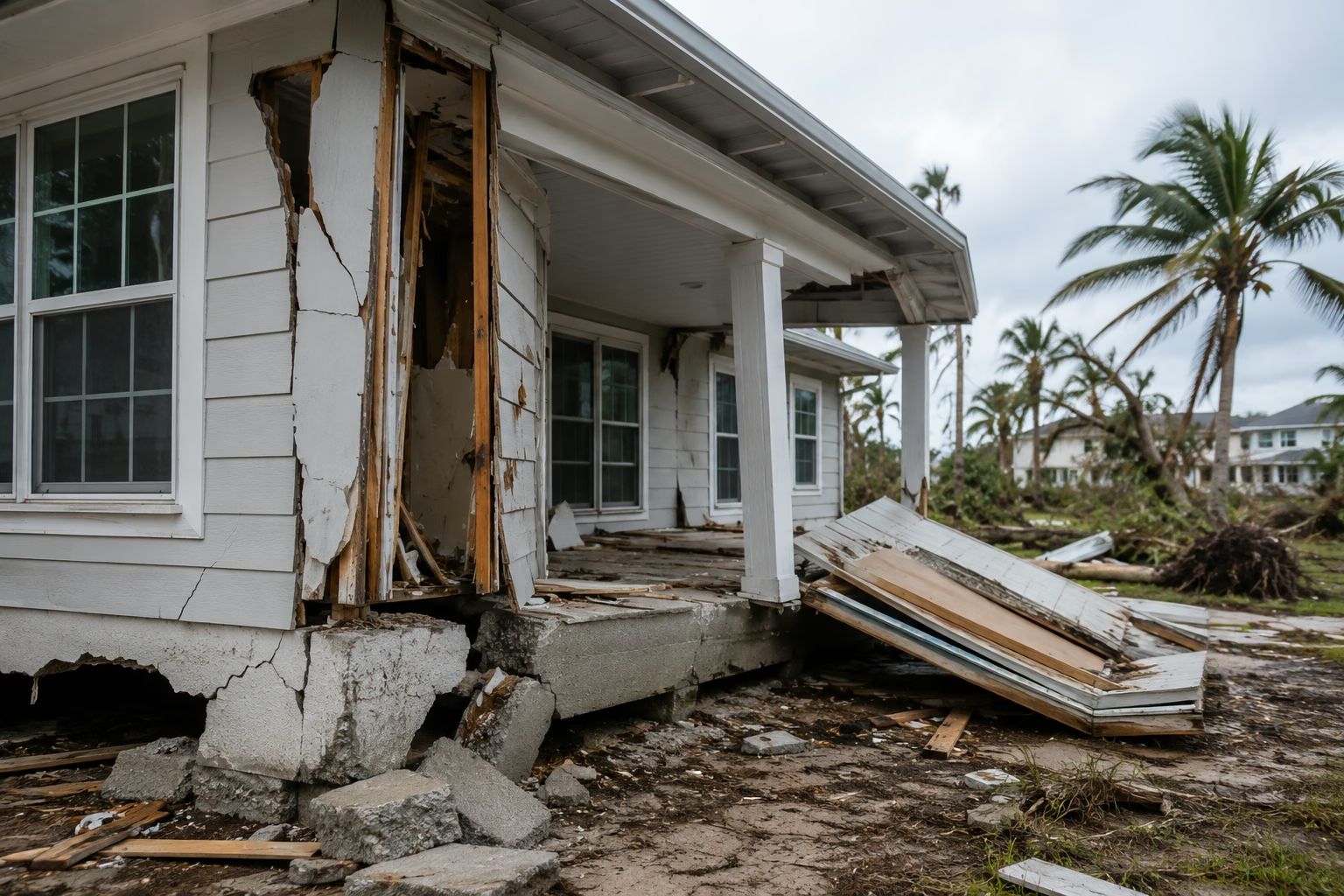
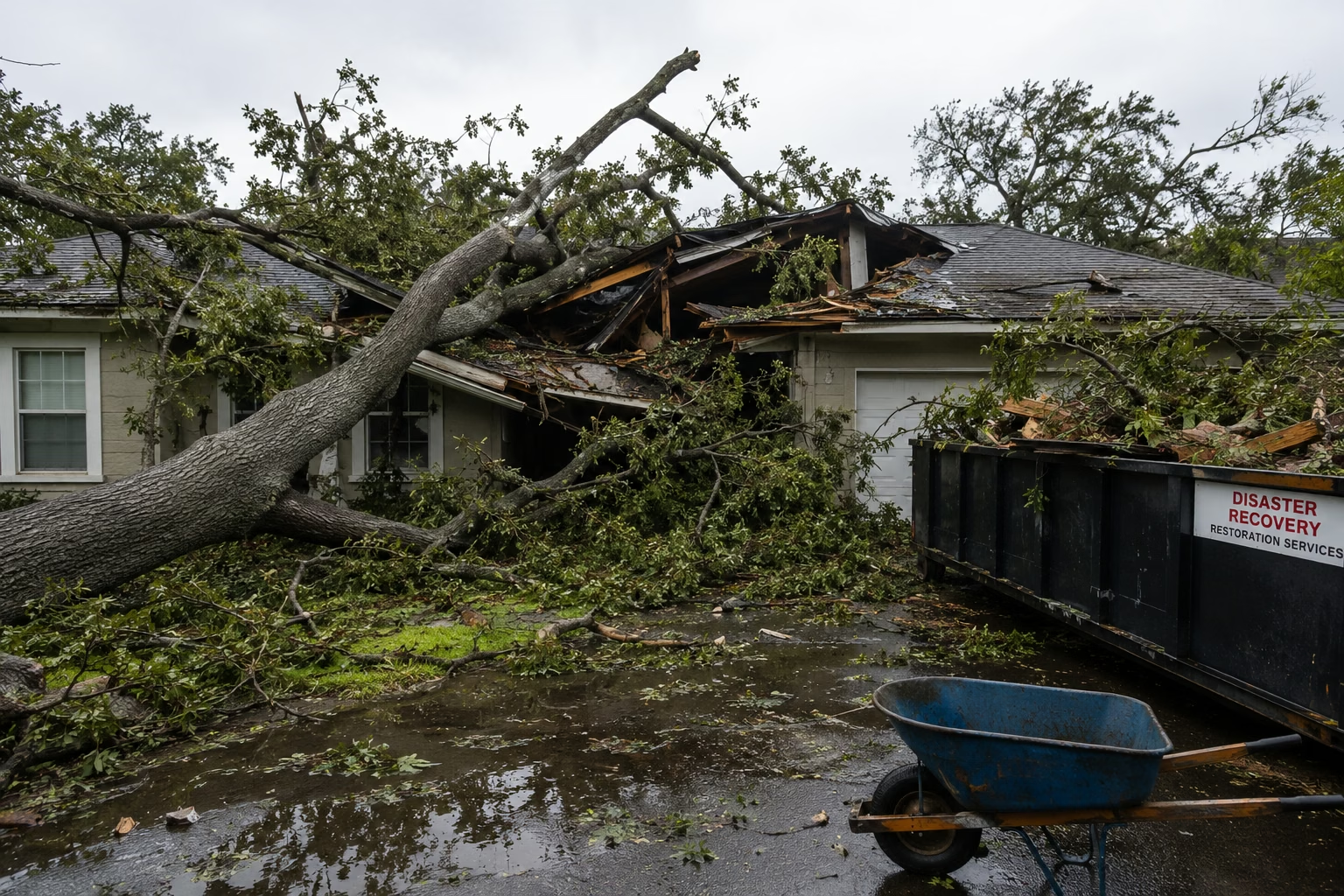
In areas like Miami Beach, where storms, flooding, and humidity are common concerns, fast response is critical. Acting quickly can help reduce structural damage, prevent mold growth, and minimize restoration costs.
Why Immediate Water Damage Response Is Important
Water damage can spread quickly throughout a property.
Standing water can seep into flooring, walls, insulation, and furniture within hours. The longer moisture remains, the greater the risk of structural deterioration and contamination.
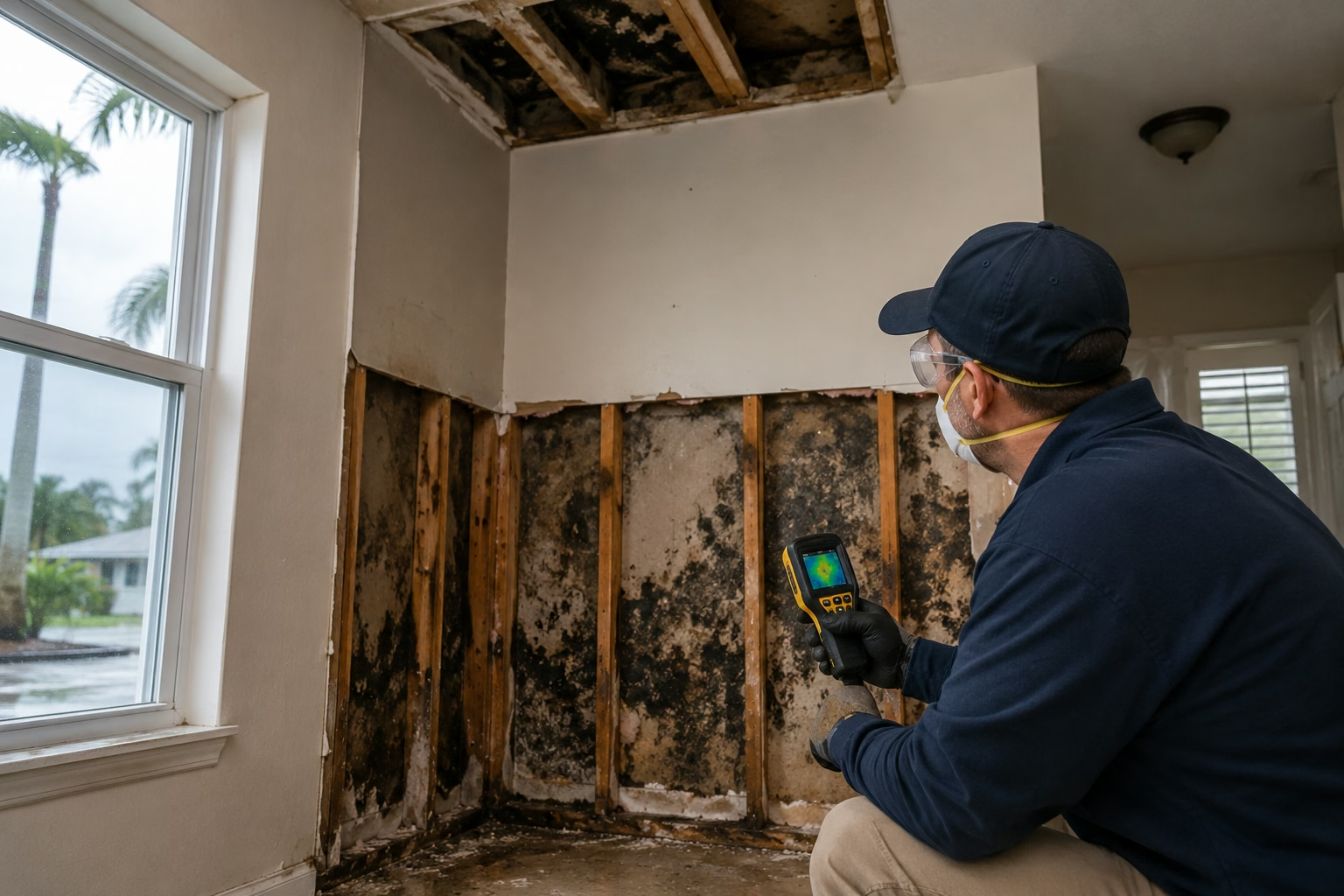
In humid environments like South Florida, mold growth can begin within 24 to 48 hours after water exposure. This can affect indoor air quality and create additional restoration challenges.
Electrical systems, appliances, and personal belongings may also be damaged if water is not removed quickly.
Immediate response helps reduce the spread of moisture, limit structural damage, and improve the chances of restoring affected materials.
What Is Water Extraction?
Water extraction is the process of removing standing water from a property after flooding, leaks, or other water-related incidents.
This step is typically the first phase of water damage restoration because excess water must be removed before drying and repairs can begin.
Professional restoration teams use industrial pumps, vacuums, and extraction equipment to remove water quickly and efficiently.
Water extraction focuses specifically on eliminating visible water from affected areas such as floors, carpets, crawl spaces, and basements.
The goal is to reduce moisture levels as quickly as possible to prevent additional damage and prepare the property for drying and restoration.
What Is Water Mitigation?
Water mitigation involves preventing further damage after water intrusion occurs.
While extraction removes standing water, mitigation focuses on stabilizing the property and reducing the long-term effects of water damage.
Mitigation services may include moisture detection, drying, dehumidification, removal of damaged materials, sanitation, and mold prevention measures.
The process is designed to stop damage from worsening before reconstruction or repairs begin.
For example, mitigation may involve removing wet drywall, setting up dehumidifiers, disinfecting affected surfaces, and protecting unaffected areas from further exposure.
Water mitigation is an essential step in reducing restoration costs and preventing secondary issues such as mold growth or structural weakening.
Key Differences Between Water Extraction and Water Mitigation
Although water extraction and water mitigation are closely related, they are not the same process.
Water Extraction Focuses on Removing Water
The main purpose of water extraction is to remove standing water as quickly as possible.
Water Mitigation Focuses on Preventing Further Damage
Mitigation addresses the remaining moisture and conditions that can lead to long-term issues.
Extraction Happens First
Water extraction is usually the first step after a water damage incident.
Mitigation Includes Multiple Services
Mitigation involves drying, dehumidification, sanitation, containment, and material removal.
Both Are Part of Restoration
Extraction and mitigation work together as part of the complete water damage restoration process.
Understanding these differences helps property owners better understand the restoration process after water damage occurs.
What Happens During the Water Extraction Process
The water extraction process begins with an inspection of the affected areas.
Restoration professionals identify the source of the water and assess the extent of flooding or moisture exposure.
Industrial pumps and vacuums are then used to remove standing water from floors, carpets, and other surfaces.
Once most of the water is removed, technicians may use specialized equipment to extract moisture trapped beneath flooring or inside materials.
After extraction is complete, the property is prepared for drying and mitigation.
Fast extraction is important because it reduces the amount of moisture that can spread deeper into the structure.
What Happens During the Water Mitigation Process
The mitigation process begins after standing water has been removed.
Professionals inspect the property for hidden moisture using moisture meters and detection equipment.
Drying and dehumidification equipment are then installed to remove remaining moisture from the air and structural materials.
Damaged materials such as drywall, insulation, or flooring may be removed if they cannot be properly dried or restored.
Cleaning and sanitation follow to eliminate bacteria, contaminants, and odors.
Containment measures may also be used to prevent moisture or contamination from spreading to unaffected areas.
Once mitigation is complete, reconstruction or repairs can begin if needed.
Why Professional Water Damage Services Are Important
Water damage restoration requires specialized equipment and expertise.
Attempting to handle water removal without professional equipment can leave hidden moisture behind. This can lead to mold growth, structural damage, and ongoing issues.
Professional restoration teams use advanced extraction equipment, industrial drying systems, and moisture detection tools to ensure thorough restoration.
They are also trained to identify hidden damage that may not be immediately visible.
In addition, professionals follow industry standards for drying, sanitation, and safety, helping protect both the property and the health of occupants.
Working with experienced professionals helps ensure that water damage is addressed completely and efficiently.
When to Call Water Damage Professionals
Property owners should contact professionals immediately after discovering water damage.
Signs that require immediate attention include standing water, wet flooring, water stains, musty odors, or visible mold growth.
Professional help is especially important after flooding, sewage backups, roof leaks, or burst pipes.
Even small leaks should not be ignored, as moisture can spread behind walls and beneath flooring.
Early response helps reduce repair costs, prevent mold growth, and improve restoration outcomes.
Frequently Asked Questions (FAQ)
What is water extraction?
Water extraction is the process of removing standing water from a property after flooding or leaks.
What is water mitigation?
Water mitigation involves preventing further damage through drying, dehumidification, sanitation, and moisture control.
Does mitigation include water extraction?
Yes. Water extraction is often one part of the overall mitigation process.
How quickly should water damage be addressed?
Immediately. Fast response helps reduce damage and prevents mold growth.
A Team You Can Trust
Paul Davis Restoration of Miami Beach & Hialeah provides professional water extraction and water mitigation services with fast response and experienced care.
Our team handles every step of the restoration process, including water removal, drying, sanitation, and full property restoration. We use advanced equipment and proven techniques to help protect homes and businesses from further damage.
With 24/7 emergency service and extensive restoration experience, Paul Davis is a trusted partner for water damage restoration in Miami Beach.
Water extraction and water mitigation are both essential parts of the restoration process after water damage.
While extraction focuses on removing standing water, mitigation focuses on preventing additional damage and preparing the property for restoration.
By responding quickly and working with experienced professionals, property owners can reduce damage, protect their property, and restore safe conditions more effectively.
The Paul Davis team is local, available 24/7, and equipped to assess, dry, and remediate moisture and mold problems in South Florida homes. Prevention is always the better path, but when mold does appear, fast professional response makes a significant difference in the outcome.
Call Us 24/7 for a Free Inspection: 305-787-2260
Paul Davis Restoration of Miami Beach & Hialeah acts quickly to stop damage in Aventura, Miami Beach, Hialeah, Doral, and beyond.