Flooding after storm is one of the most disruptive things a homeowner can face. Water that enters your home during a storm doesn’t behave like a slow leak from a pipe — it comes in fast, spreads quickly, and carries with it whatever was in its path. Mud, debris, bacteria, and contaminants from overwhelmed drains and streets can all end up inside your home along with the floodwater.
In Miami Beach and across South Florida, storm flooding is a familiar threat. The combination of heavy rainfall, low elevation, aging storm drains, and coastal proximity means that even a moderate storm can push water into homes and properties that aren’t directly in a flood zone. When it happens, knowing what to do — and what not to do — in the hours and days that follow matters more than most people realize.
This guide walks you through the storm flood cleanup process, what risks to watch for, and when to call for professional help.
Why Storm Flood Cleanup Requires Immediate Action
Floodwater doesn’t just damage what it touches. It soaks into everything porous — drywall, insulation, wood framing, flooring, furniture, and personal belongings — and it keeps causing damage long after the water itself has receded.
The longer water sits inside a structure, the deeper it penetrates into the materials around it. Drywall that has been wet for a few hours can sometimes be dried and saved. Drywall that has been wet for several days almost always has to be removed. The same is true for insulation, wood flooring, and subflooring — the longer moisture is present, the more material is lost.
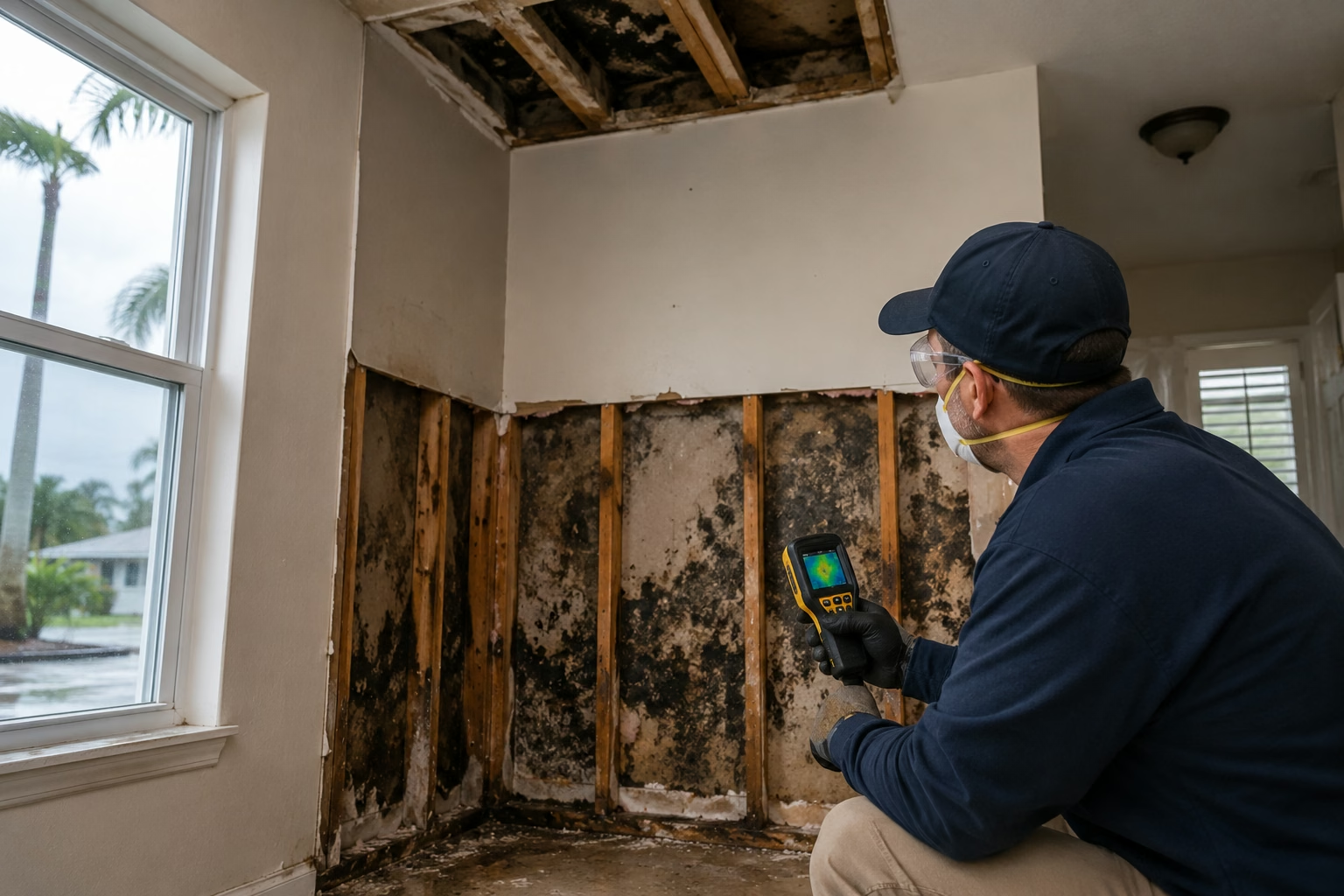
Mold is the other urgent concern. South Florida’s warm, humid climate creates conditions where mold can begin developing within 24 to 48 hours of a flood event. Once mold takes hold inside a wall cavity or beneath a floor, it spreads quickly and can affect air quality throughout the home — not just in the rooms that flooded.
The cleanup clock starts the moment the water enters your home. Acting quickly limits how much damage you’re left with and significantly reduces the risk of mold growth.
Is It Safe to Enter a Flooded Home?
Before you walk back into a home that has flooded, there are several safety checks to make.
Electrical Hazards
Do not enter a flooded home if the electricity is still on and water has reached outlets, baseboards, or electrical panels. Water conducts electricity, and flooded interiors with live circuits are genuinely dangerous. Contact your utility provider to have power shut off to the property before anyone enters.
Structural Stability
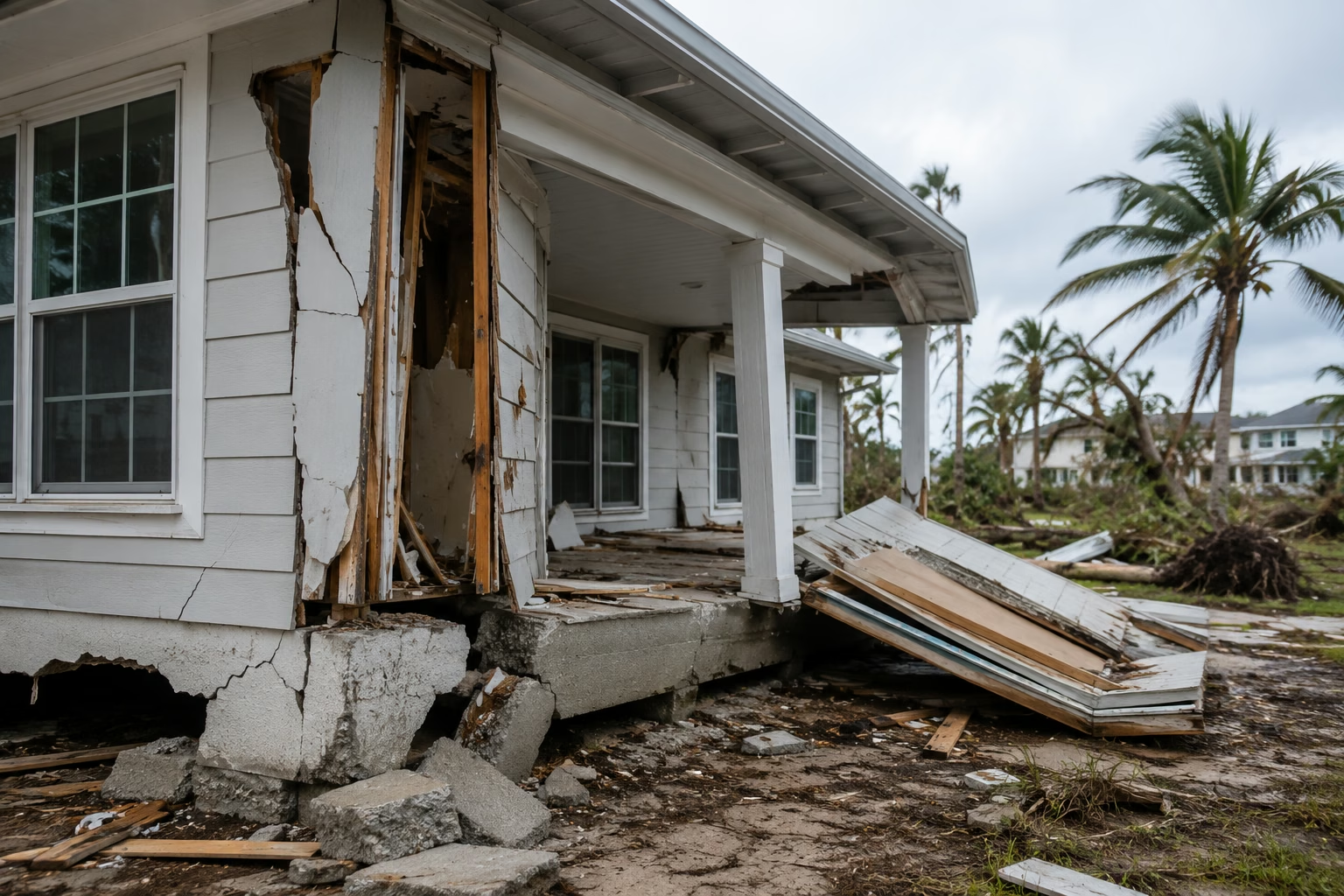
Flooding can weaken structural components, particularly in homes with wood framing, older construction, or significant debris impact during the storm. Before you go inside, look at the structure from the outside. If walls appear to be leaning, the roofline looks uneven, or the foundation shows visible damage, wait for a structural assessment before entering.
Contaminated Water
Storm floodwater is not clean water. It often carries sewage from overwhelmed municipal systems, chemicals from streets and parking lots, and bacteria from standing water that has mixed with soil and debris. Avoid direct skin contact with floodwater if at all possible, and do not let children or pets enter flooded areas.
Gas Leaks
If you smell gas near a flooded home, do not enter. Contact your gas provider from a safe distance and wait for clearance before going inside.
Once you’ve confirmed it is safe to enter, proceed carefully and wear protective gear — waterproof boots, gloves, and a mask if the water has a sewage odor or visible contamination.
What Storm Floodwater Does to Your Home
Understanding what floodwater affects helps you know where to focus your attention during the cleanup process and what to tell your restoration team when they arrive.
Flooring
All types of flooring are vulnerable to flood damage. Hardwood absorbs water and warps, sometimes within hours of exposure. Laminate swells at the seams and separates. Carpet holds water deep in the padding and backing, where it is nearly impossible to dry completely without removal. Even tile flooring can be affected — water gets into grout joints and beneath the tile through the subfloor, which is often wood or concrete board that absorbs moisture.
Drywall and Plaster
Drywall is extremely absorbent. In a flood event, the lower sections of walls soak up water from the bottom up, well beyond the visible waterline. A flood that left water standing at six inches on the floor may have saturated drywall twelve inches or higher through capillary action. Wet drywall loses structural integrity quickly and is a primary location for mold development.
Insulation
Wall and floor insulation holds moisture for a very long time once wet. It cannot be dried effectively in place and almost always needs to be removed and replaced after a flood.
Wood Framing
The structural wood framing inside walls and beneath floors can absorb moisture from prolonged flooding. Extended exposure leads to swelling, warping, and eventually rot if the wood is not dried properly and promptly.
HVAC Systems
If floodwater reached your air handler, ductwork, or any part of your HVAC system, it needs to be professionally evaluated before you run it again. Running an HVAC system that has been contaminated by floodwater can spread bacteria and mold spores throughout the entire home through the duct system.
Electrical Systems
Any electrical components — outlets, switches, wiring, panels, fixtures — that were submerged in floodwater need to be inspected and cleared by a licensed electrician before the system is used again.
Personal Belongings and Contents
Furniture, clothing, documents, electronics, and other personal items all absorb water and contaminants from floodwater. Some items can be cleaned and restored. Others, particularly porous items like mattresses and upholstered furniture that have been in contact with contaminated water, typically cannot be salvaged.
The Storm Flood Cleanup Process
Cleaning up after storm flooding is not simply a matter of mopping up the water and letting things dry. It requires a systematic approach to ensure that all moisture is removed, contamination is addressed, and the structure is confirmed dry before any repairs or rebuilding begin.
Step 1: Water Extraction
The first priority is removing standing water from the property as quickly as possible. Professional restoration teams use industrial-grade pumps and wet vacuums to extract water efficiently. The faster water is removed, the less time it has to penetrate deeper into materials.
Step 2: Debris and Contaminated Material Removal
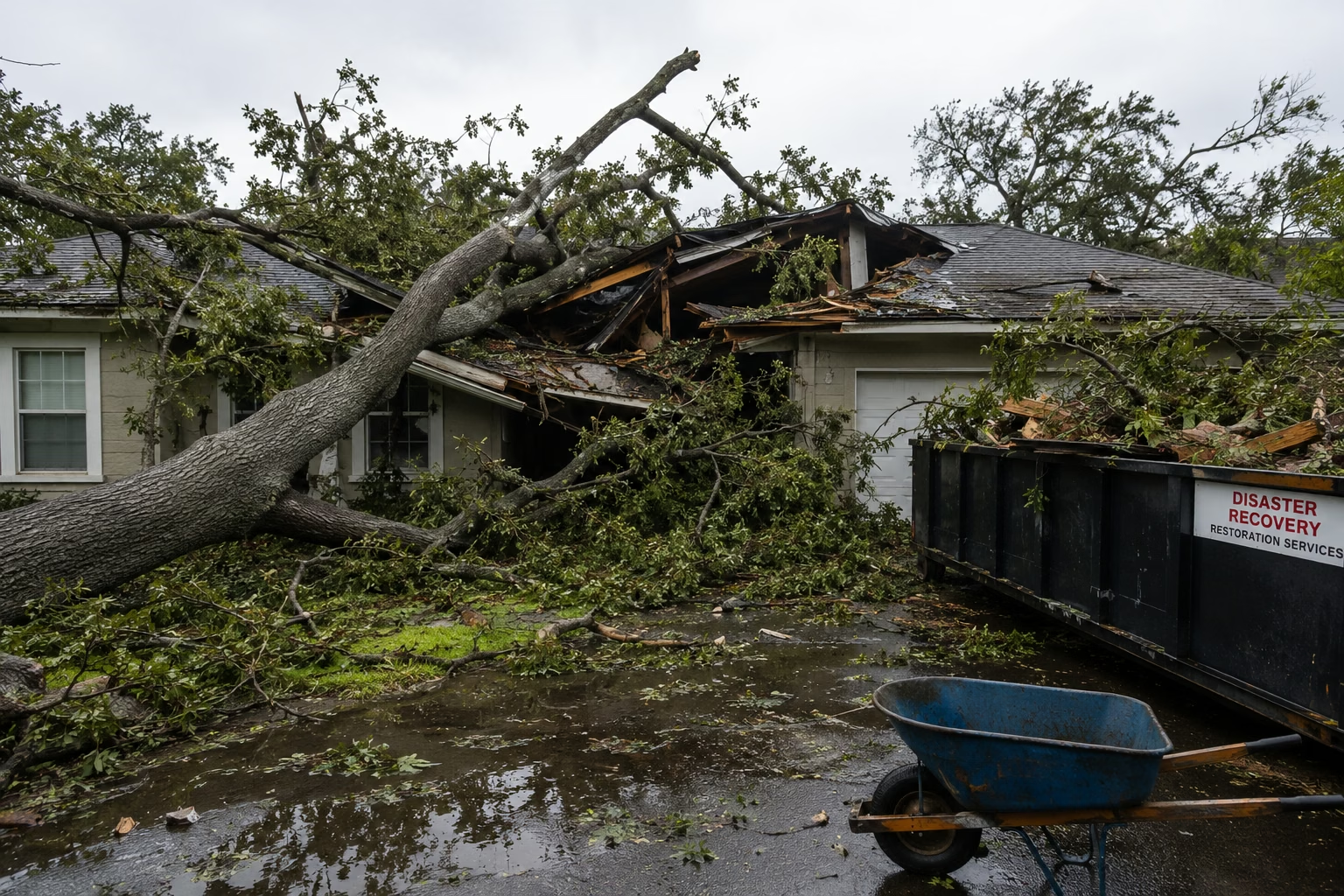
Once standing water is removed, debris — mud, sediment, contaminated materials — is cleaned out of the affected areas. Flooring materials, insulation, and sections of drywall that have been in contact with contaminated floodwater are typically removed at this stage. This is not just about cleaning — it’s about eliminating material that cannot be safely dried or decontaminated and that would otherwise become a source of ongoing moisture and mold.
Step 3: Cleaning and Disinfection
All surfaces that came into contact with floodwater — concrete, wood framing, subflooring, wall studs — are cleaned and treated with antimicrobial solutions to address bacterial contamination. This step is especially important when floodwater has carried sewage or debris, which is common in South Florida after heavy storm events.
Step 4: Structural Drying
Industrial air movers and dehumidifiers are placed throughout the affected areas to dry the structure completely. This process takes several days and requires monitoring — restoration professionals take regular moisture readings to track progress and confirm when materials have reached acceptable dryness levels. Simply running a household fan or opening windows is not sufficient to dry a structure properly after a flood.
Step 5: Mold Prevention and Treatment
Once the structure is dried, any surfaces at elevated risk for mold growth are treated. If mold has already developed — which can happen quickly in South Florida — professional mold remediation is carried out before any rebuilding begins.
Step 6: Reconstruction
With the structure clean, dry, and confirmed free of mold, the rebuilding phase begins. New drywall, insulation, flooring, and trim are installed, and the space is returned to its pre-flood condition.
Why DIY Flood Cleanup Falls Short
The instinct to start cleaning up immediately on your own is understandable. But flood cleanup is one of those situations where DIY efforts, even well-intentioned ones, often lead to larger problems down the road.
Household equipment — fans, dehumidifiers, shop vacs — simply doesn’t have the capacity to dry a flooded structure thoroughly. The moisture inside walls, beneath floors, and in ceiling cavities requires commercial-grade equipment and extended run times to address completely. When a structure appears dry on the surface but still holds moisture inside, mold follows.
Contaminated floodwater also requires proper handling and disposal. The materials removed from a flooded home — wet drywall, insulation, flooring — may be considered contaminated waste depending on the nature of the flooding, and disposal needs to follow local guidelines.
There’s also the matter of documentation. If you’re filing an insurance claim for flood damage, a professional restoration company provides the documentation — damage reports, moisture readings, work logs, photos — that supports your claim. Cleaning up on your own before the damage is properly documented can complicate the claims process.
When to Call a Professional for Storm Flood Cleanup
You should contact a professional restoration company any time floodwater has entered your home — even if the amount seems small.
Call immediately if floodwater contained sewage, visible debris, or has a strong odor. Call when water has reached drywall, insulation, or flooring. Call when you can see or smell mold beginning to develop. Call when flooding has affected electrical systems, HVAC equipment, or your home’s structural components.
Do not wait to see if the home dries out on its own. In South Florida’s climate, that waiting period is exactly when mold takes hold.
Frequently Asked Questions
Is storm floodwater dangerous?
Yes. Storm floodwater often carries sewage, chemicals, bacteria, and other contaminants from streets, drains, and landscaping. Direct contact should be avoided, and any area affected by floodwater should be properly cleaned and disinfected before it is used again.
How long does flood cleanup take?
It depends on the extent of the flooding and the materials affected. Water extraction may take hours. Structural drying typically takes several days. Reconstruction timelines depend on the scope of work required.
Can flooring be saved after storm flooding?
Some flooring can be saved if water is extracted quickly and drying begins immediately. Hardwood, carpet, and laminate are often too compromised to restore after significant flood exposure, particularly if the water was contaminated. A professional assessment will determine what can be salvaged.
Will homeowner’s insurance cover storm flood cleanup?
Standard homeowner’s insurance typically covers sudden storm damage, but flooding from rising water — such as storm surge or overflowing waterways — usually requires separate flood insurance through the National Flood Insurance Program or a private flood policy. Contact your insurance company directly to clarify what your policy covers.
How do I prevent mold after a flood?
The most effective way to prevent mold is to remove water and begin drying the structure as quickly as possible. Professional drying equipment, combined with removal of materials that can’t be dried effectively, gives you the best chance of avoiding mold growth. In South Florida, the 24 to 48 hour window is critical.
What should I throw away after a flood?
Porous materials that have been in contact with contaminated floodwater — mattresses, upholstered furniture, carpeting, drywall, and insulation — are typically not salvageable. Do not discard anything until after your insurance adjuster has had the opportunity to document the loss.
A Team You Can Trust
Paul Davis Restoration of Miami Beach & Hialeah responds to storm flooding and flood cleanup throughout Miami Beach and the surrounding South Florida communities. Our team is available 24/7 and arrives ready to extract water, remove contaminated materials, dry the structure, and begin the restoration process without delay.
We document everything from the start — damage photos, moisture readings, contamination assessments, and work records — so you have a complete file to support your insurance claim.
Storm flooding is stressful, and the hours right after it happens are the most important ones. Don’t wait to get help in place.
Call Us 24/7 for Storm Flood Cleanup: 305-787-2260
Paul Davis Restoration of Miami Beach & Hialeah serves Miami Beach, Hialeah, Doral, Aventura, and surrounding South Florida communities.