Florida homeowners insurance and hurricane coverage are not interchangeable terms — and that distinction costs Miami-Dade homeowners significantly when they discover it after a storm rather than before. Understanding exactly what your policy covers, what it excludes, and what additional coverage you may need is one of the most important steps a homeowner in this area can take before hurricane season begins.
This breakdown covers how standard Florida homeowners insurance applies to hurricane damage, where the gaps are, and what to expect when a claim is filed.
What Standard Florida Homeowners Insurance Covers
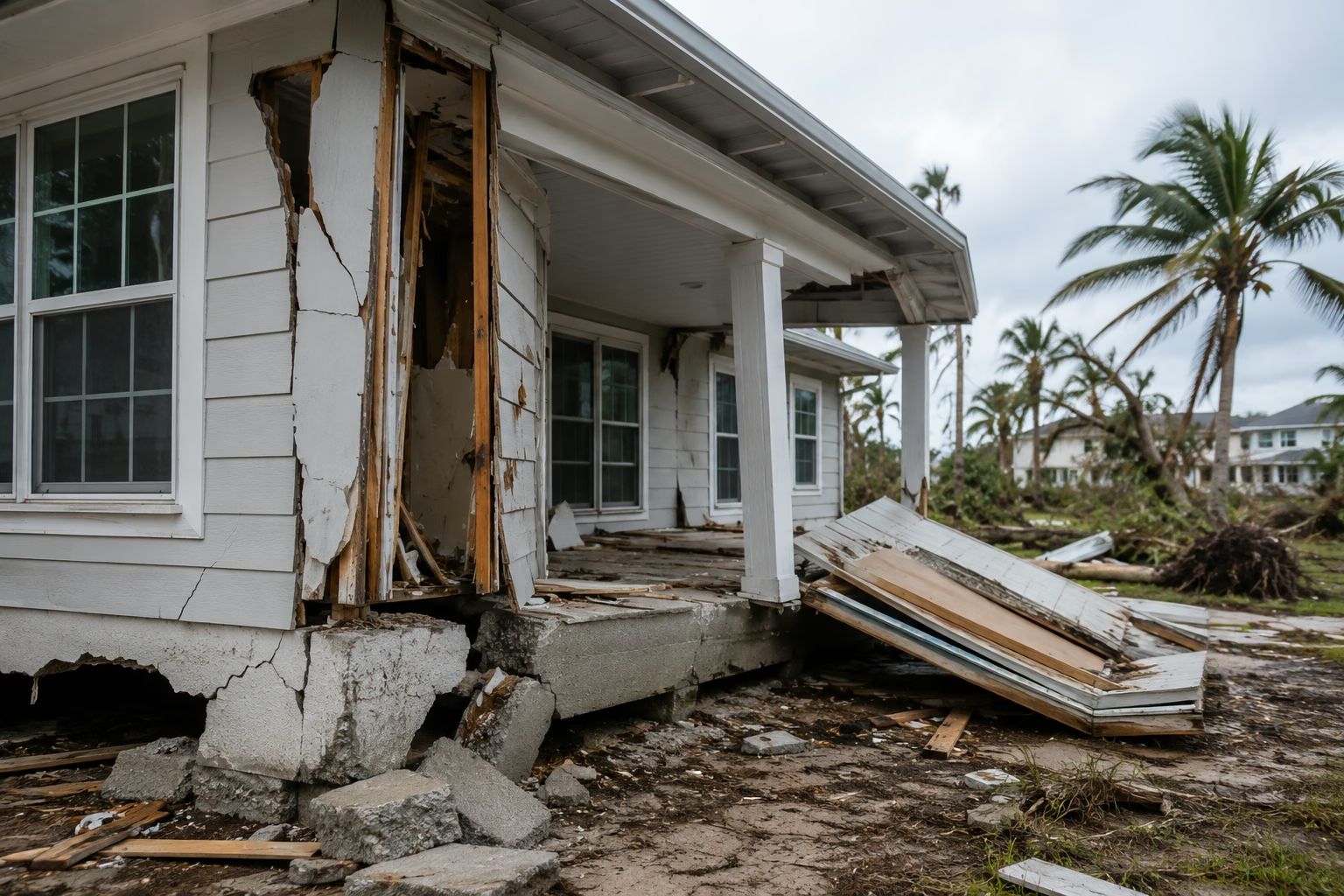
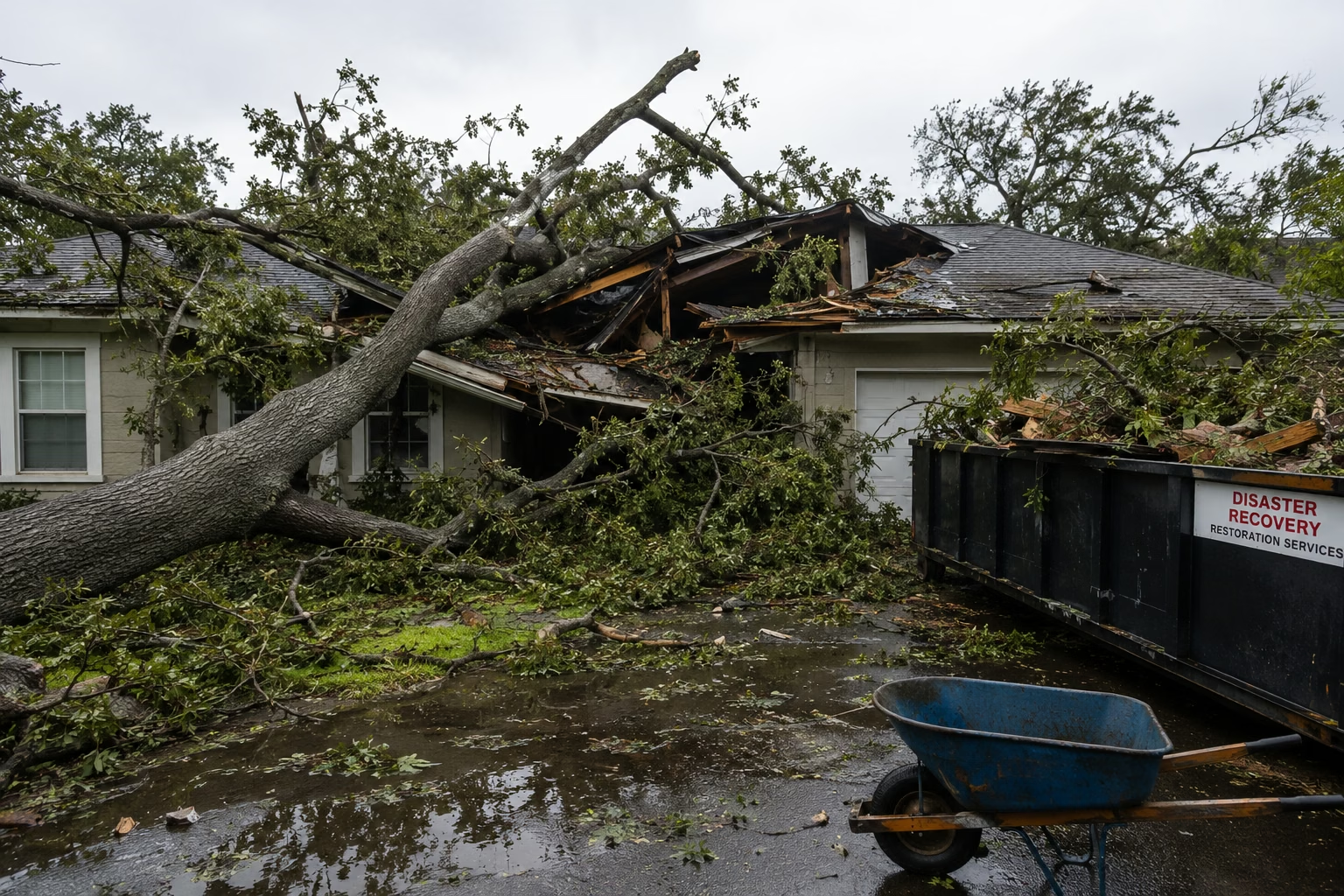
A standard Florida homeowners insurance policy covers wind damage — and in a hurricane, wind is responsible for a significant portion of the destruction. Roof damage from hurricane-force winds, broken windows, damaged siding, and interior damage caused by wind-driven rain entering through a storm-created opening are all typically covered under a standard policy.
Personal property damaged by covered wind events is generally included as well, subject to your policy’s limits and any applicable deductibles. Temporary living expenses — known as loss of use coverage — may also apply if your home is uninhabitable while repairs are completed.
What Standard Florida Homeowners Insurance Does Not Cover
This is where Miami-Dade homeowners are most frequently caught off guard. Standard homeowners insurance does not cover flood damage — and that includes storm surge. For insurance purposes, storm surge is classified as flooding regardless of the fact that it is caused directly by the hurricane. Without a separate flood insurance policy, storm surge damage to your home is not covered.
Flooding from rainfall overwhelming drainage systems is also excluded from standard coverage. In a major hurricane, these two exclusions — storm surge and rainfall flooding — can account for the majority of the damage a home sustains. Learn more about the difference between these water events in our post on storm surge vs. flooding in Miami Beach.
Hurricane Deductibles in Florida
Florida homeowners policies include a separate hurricane deductible that applies specifically to hurricane-related claims. Unlike standard deductibles — which are typically a flat dollar amount — hurricane deductibles in Florida are calculated as a percentage of your home’s insured value, commonly between two and five percent.
On a home insured for $400,000 with a two percent hurricane deductible, that means $8,000 comes out of pocket before insurance coverage begins. Knowing your hurricane deductible before a storm hits allows you to plan accordingly and avoids surprises during the claims process.
Flood Insurance and the National Flood Insurance Program
Separate flood insurance coverage is available through the National Flood Insurance Program and through a growing number of private insurers operating in Florida. NFIP policies cover direct physical damage to the structure and its contents caused by flooding — including storm surge.
NFIP policies have their own coverage limits and exclusions, so reviewing what your flood policy covers in addition to your standard homeowners policy is important. One notable gap in standard NFIP coverage is that it does not include loss of use or additional living expenses — meaning temporary housing during flood-related restoration typically falls outside both policies unless you have a separate rider.
How the Claims Process Works After a Hurricane
Filing a hurricane claim in Florida starts with notifying your insurer as soon as it is safe to do so after the storm. Florida law requires insurers to acknowledge a claim within 14 days and issue a coverage decision within 90 days of receiving proof of loss.
Document all visible damage with photos and video before beginning any cleanup or repairs. Keep records of every mitigation step taken, every item removed, and every expense incurred. Emergency mitigation costs — such as roof tarping or water extraction — are generally reimbursable but need to be documented thoroughly. Our hurricane damage cleanup checklist covers what to document and how to organize your records for the claims process.
Why Working With a Restoration Team Helps Your Claim
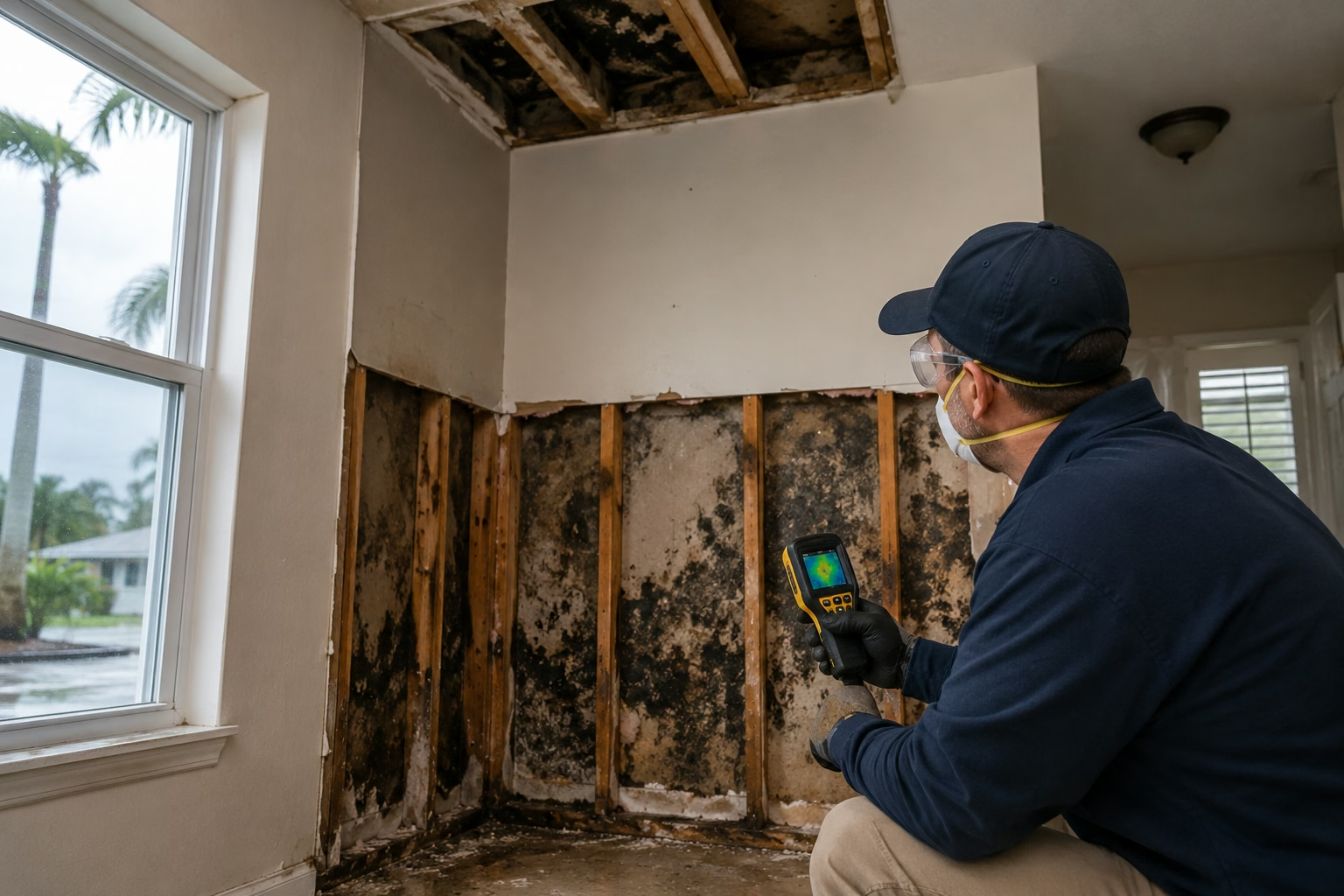
Insurance adjusters assess damage based on what they can observe and what is documented. A professional restoration team that understands the claims process can identify damage that a surface-level inspection might miss — hidden moisture, compromised structural elements, and secondary damage that developed from the initial storm event.
Paul Davis Restoration of Miami Beach and Hialeah works directly with insurance carriers throughout the restoration process. Our IICRC-certified team documents damage thoroughly, communicates with adjusters on your behalf, and ensures that nothing is overlooked during the assessment. Contact our water damage restoration services team as soon as it is safe to reach out.
Frequently Asked Questions
Does Florida homeowners insurance automatically include hurricane coverage? Standard Florida homeowners insurance covers wind damage from hurricanes but does not cover flood damage or storm surge. Hurricane coverage for wind is typically included, but a separate flood insurance policy is required for flooding and surge-related damage. Review your policy carefully to understand what each covers.
What is a hurricane deductible in Florida? A hurricane deductible is a separate deductible that applies specifically to hurricane-related claims in Florida. Unlike a standard flat-dollar deductible, it is calculated as a percentage of your home’s insured value — typically between two and five percent. It applies once the National Hurricane Center officially names a storm as a hurricane.
Can I file both a homeowners and a flood insurance claim after a hurricane? Yes, if you have both policies and the damage involves both wind and flooding. Wind damage goes through your homeowners insurer and flood or storm surge damage goes through your flood insurer. Keeping clear documentation of what caused each area of damage — wind versus water entry — helps both claims move forward without unnecessary complications.
Understanding your coverage before a hurricane hits is the best investment a Miami-Dade homeowner can make in storm preparation. Knowing what is covered, what is not, and what your deductible means in real dollar terms puts you in a far stronger position when you need to file a claim.
Call us before or after the storm: 305-749-5728
Paul Davis Restoration of Miami Beach and Hialeah serves Miami Beach, Hialeah, Doral, Aventura, and surrounding Miami-Dade County communities.