Most homeowners think about wind when they think about hurricane damage. Wind is visible and dramatic — it tears off roofs, breaks windows, and knocks down trees. But in South Florida, water is almost always the more destructive force. It’s quieter, slower to show itself, and far more expensive to fully remediate once it takes hold.
Understanding how hurricanes cause water damage helps Miami Beach and Hialeah homeowners prepare more effectively — and respond faster when a storm does cause damage.
Storm Surge
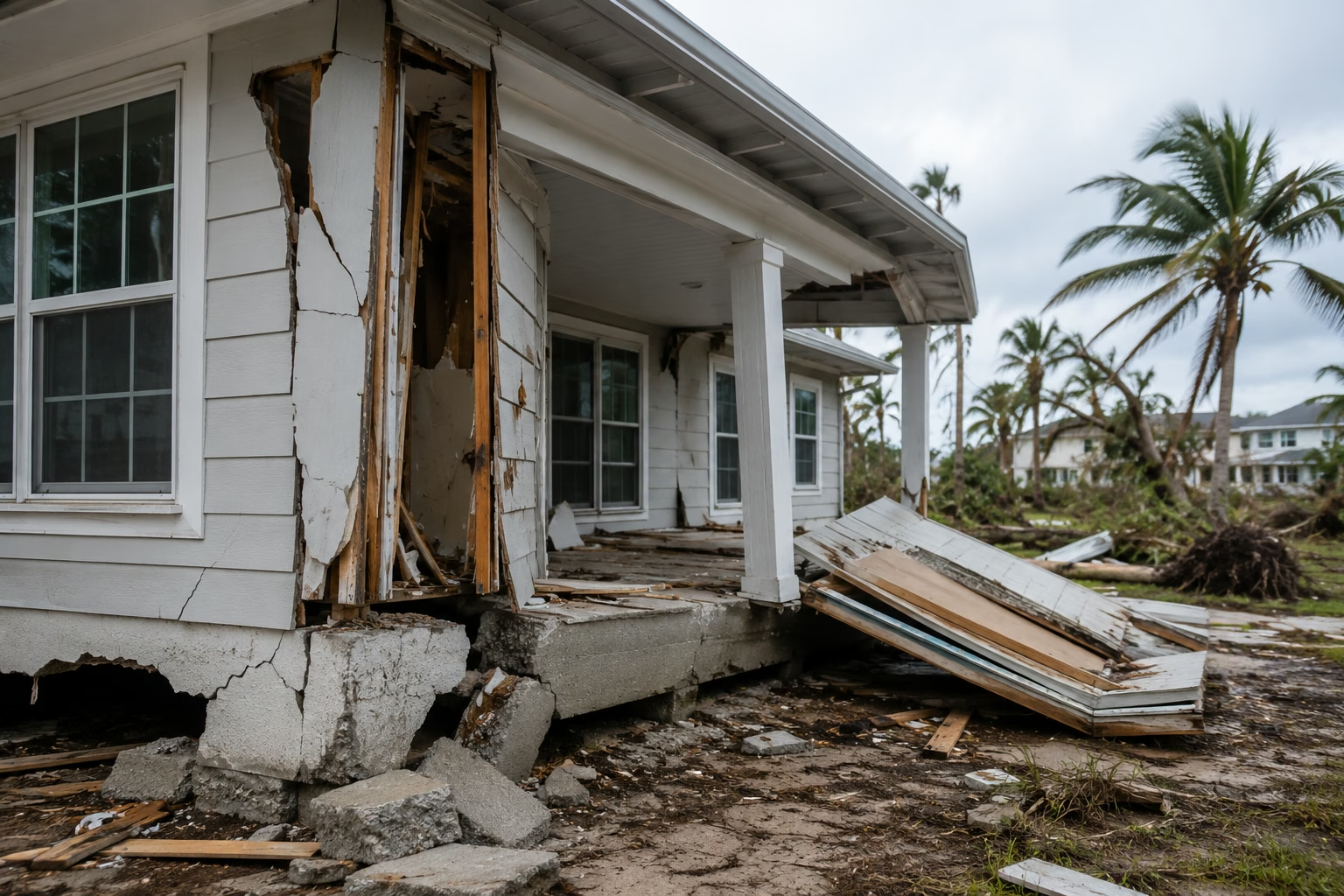
Storm surge is the most dangerous and destructive form of hurricane water damage. It occurs when a hurricane’s winds push ocean water inland, flooding coastal and low-lying areas that can be miles from the shoreline. In South Florida, where much of Miami Beach sits at or near sea level, storm surge from a major hurricane can push several feet of saltwater into homes within minutes.
Unlike rainwater, storm surge carries debris, contaminants, and saltwater — all of which cause additional damage to flooring, walls, framing, and electrical systems beyond the water intrusion itself. Saltwater is particularly corrosive to metals, including structural fasteners, electrical components, and appliances.
Wind-Driven Rain
Even when storm surge isn’t a factor, wind-driven rain finds its way into homes through openings that would never leak under normal rainfall. The lateral pressure of hurricane-force winds pushes water through gaps around window frames, door sweeps, soffits, roof vents, and any point where two building materials meet.
Homes with older windows and doors, deteriorating weatherstripping, or improperly sealed exterior penetrations are especially vulnerable. Water that enters through these pathways typically ends up inside wall cavities, above ceilings, and beneath flooring — where it’s invisible until mold or structural damage makes it apparent.
Roof Breaches
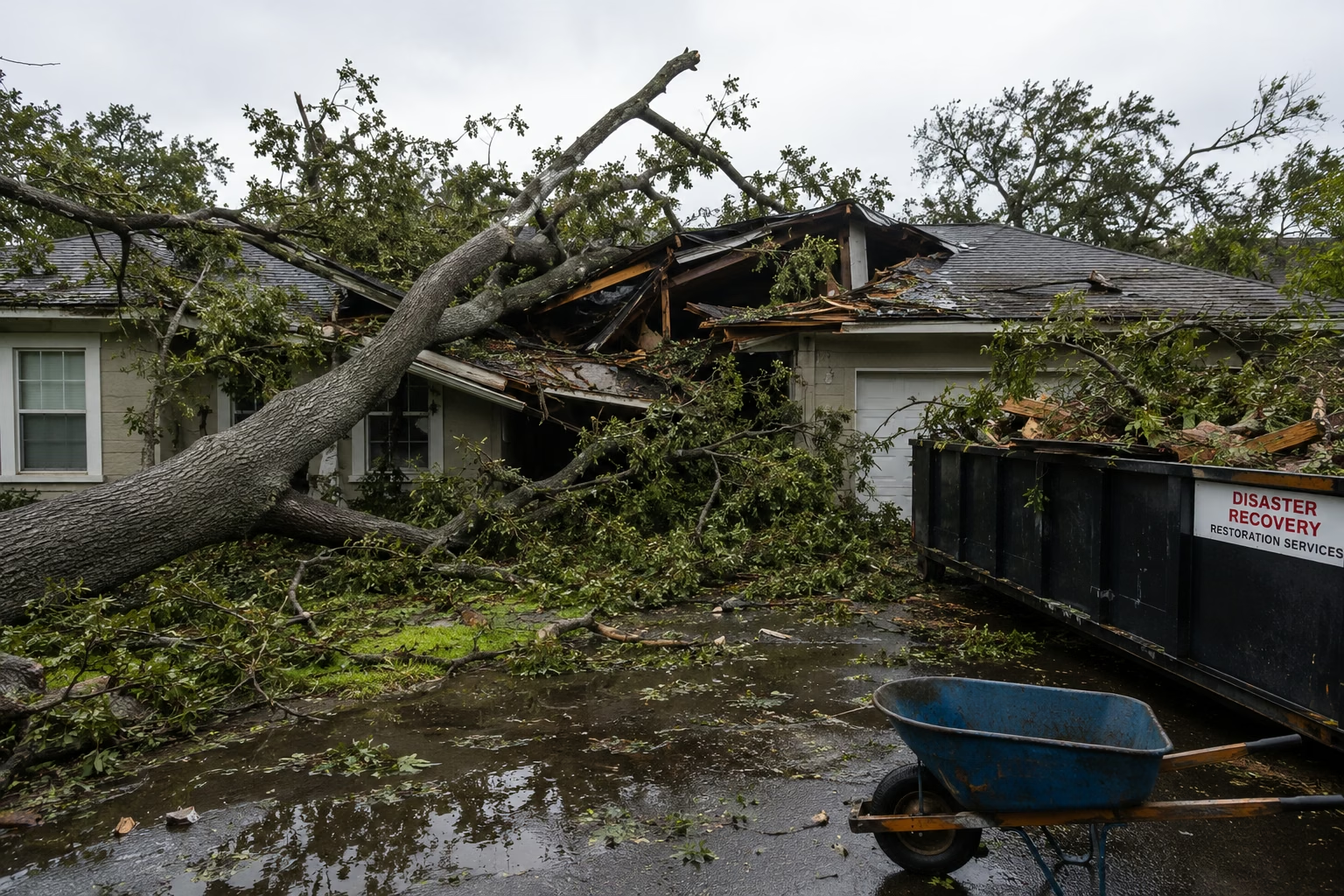
When a roof is damaged during a hurricane — whether from lifted shingles, a fallen tree, or outright structural failure — water enters the home rapidly and spreads across large areas. Ceiling materials saturate and collapse. Insulation becomes waterlogged and loses its effectiveness. Water travels along framing members and pools in areas far from the original breach point, making the full extent of damage difficult to assess without professional equipment.
This is why emergency roof tarping in the immediate aftermath of a storm is so critical. Every hour a roof breach goes unprotected compounds the interior water damage significantly.
Flooding From Rainfall
South Florida’s drainage infrastructure handles normal rainfall reasonably well — but a major hurricane can drop 10 to 20 inches of rain over 24 hours, overwhelming drainage systems and causing widespread street and yard flooding. Ground-floor homes in low-lying areas of Miami Beach and Hialeah are particularly vulnerable to this type of flooding even when storm surge and roof damage aren’t factors.
Flooding from rainfall carries its own contamination risks. Stormwater that enters a home from street level often contains sewage, chemicals, and biological matter from overwhelmed municipal systems — making professional remediation essential rather than optional.
Frequently Asked Questions
What is the difference between storm surge and hurricane flooding?
Storm surge is ocean water pushed inland by hurricane winds — it’s saltwater, carries debris and contaminants, and is the most dangerous form of hurricane flooding in coastal areas like Miami Beach. Hurricane flooding from rainfall is freshwater that accumulates when drainage systems are overwhelmed by extreme rainfall totals. Both cause serious damage but require different responses, and storm surge carries additional corrosion and contamination risks that rainfall flooding doesn’t.
How quickly does mold develop after hurricane water damage in South Florida?
In South Florida’s heat and humidity, mold can begin developing within 24 to 48 hours of water intrusion. This is significantly faster than in cooler, drier climates. Water damage from a hurricane that isn’t professionally extracted and dried within that window creates serious mold risk that compounds the original damage and dramatically increases remediation costs.
Do I need professional water damage restoration after a hurricane or can I handle it myself?
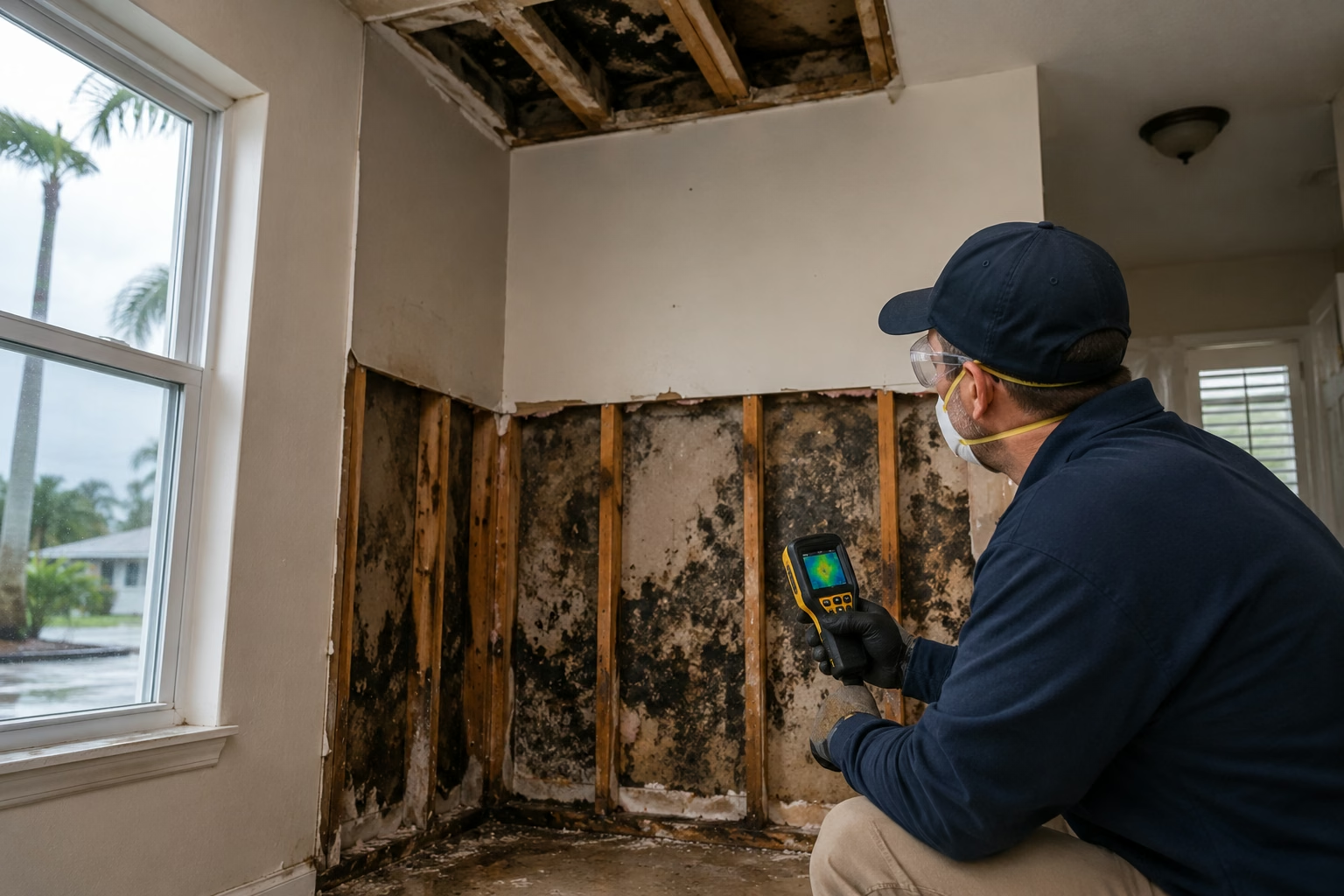
Professional restoration is strongly recommended for any significant water intrusion from a hurricane. Professionals use moisture detection equipment that identifies water inside wall cavities, beneath flooring, and above ceilings that isn’t visible or accessible through surface drying alone. Without addressing hidden moisture, mold develops in areas that appear dry on the surface — often going undetected until the damage is extensive.
The Mold Problem That Follows
In South Florida’s heat and humidity, mold can begin developing within 24 to 48 hours of water intrusion. Hurricane water damage that isn’t addressed immediately doesn’t just stay contained — it creates conditions where mold spreads rapidly through wall cavities, insulation, flooring substrates, and any porous material that absorbed moisture during the storm.
By the time mold becomes visible, it has typically been growing for days or weeks. The remediation required at that stage is significantly more extensive — and more expensive — than it would have been if water damage had been addressed in the first 24 to 48 hours after the storm.
Paul Davis Restoration of Miami Beach and Hialeah responds to hurricane water damage 24/7. Our team uses professional moisture detection equipment to find water intrusion that isn’t visible to the eye, and we begin extraction and structural drying immediately to prevent mold from taking hold. You can also read about flood prevention tips during hurricane season to reduce your risk before a storm arrives.
Call us immediately after storm damage: 305-787-2260
Paul Davis Restoration of Miami Beach and Hialeah serves Miami Beach, Hialeah, Doral, Aventura, and surrounding South Florida communities.