If you live in Miami or anywhere in South Florida, you already know that the humidity here is relentless. With average relative humidity hovering around 75% year-round — and spiking well above that during hurricane season — Florida is the most humid state in the nation. Mold doesn’t need much of an invitation here. It just needs a little moisture, the right surface, and a few days.
The good news? Preventing mold in a Miami home is absolutely possible. It just requires staying on top of a few specific habits and maintenance tasks. As local restoration professionals, Paul Davis has seen firsthand what South Florida humidity and storm damage can do when moisture goes unchecked.
Why Mold Is Such a Problem in South Florida
Miami sits in a subtropical climate zone with high temperatures and high humidity virtually every month of the year. Add in annual hurricane season from June through November, daily afternoon thunderstorms in summer, and the fact that most Miami homes are built on slab foundations with no basement air buffer, and you have conditions that are exceptionally favorable for mold. It is important to learn how to prevent mold in your Miami home.
Top Mold Prevention Tips for Miami Homeowners
-
Keep Your AC Running — Even When You’re Away
Your air conditioning system does double duty in Miami: it cools your home and dehumidifies it. When the AC is off, indoor humidity can skyrocket within hours, especially during summer. Never turn your AC completely off when leaving for an extended trip. Set it to no higher than 78 to 80 degrees Fahrenheit. Anything warmer and you’re creating prime mold conditions. If you’re a snowbird who leaves your home vacant for months, consider installing a smart thermostat and a whole-home dehumidifier so you can monitor and control conditions remotely.
- Target Indoor Humidity Between 50% and 60%
The EPA recommends keeping indoor humidity below 60% to inhibit mold growth. In Miami, hitting 50% is ideal but can be challenging without supplemental dehumidification. Pick up a digital hygrometer at any hardware store for under $20 and place one in each major room. If readings consistently run above 60%, a standalone dehumidifier or whole-home dehumidifier integrated with your HVAC is a worthwhile investment.
- Service Your AC System Every Six Months
In Miami’s climate, twice-yearly AC maintenance isn’t a luxury — it’s mold prevention. Your air handler, evaporator coil, and condensate drain line are all points where moisture accumulates inside your home. A dirty evaporator coil or clogged condensate drain can allow water to overflow into walls, ceilings, and floors, and the drain pan itself can become a standing water source that breeds mold and disperses spores through your ductwork. Have your system professionally serviced in spring before the rainy season and again in fall.
- Address Any Water Intrusion Immediately After Storms
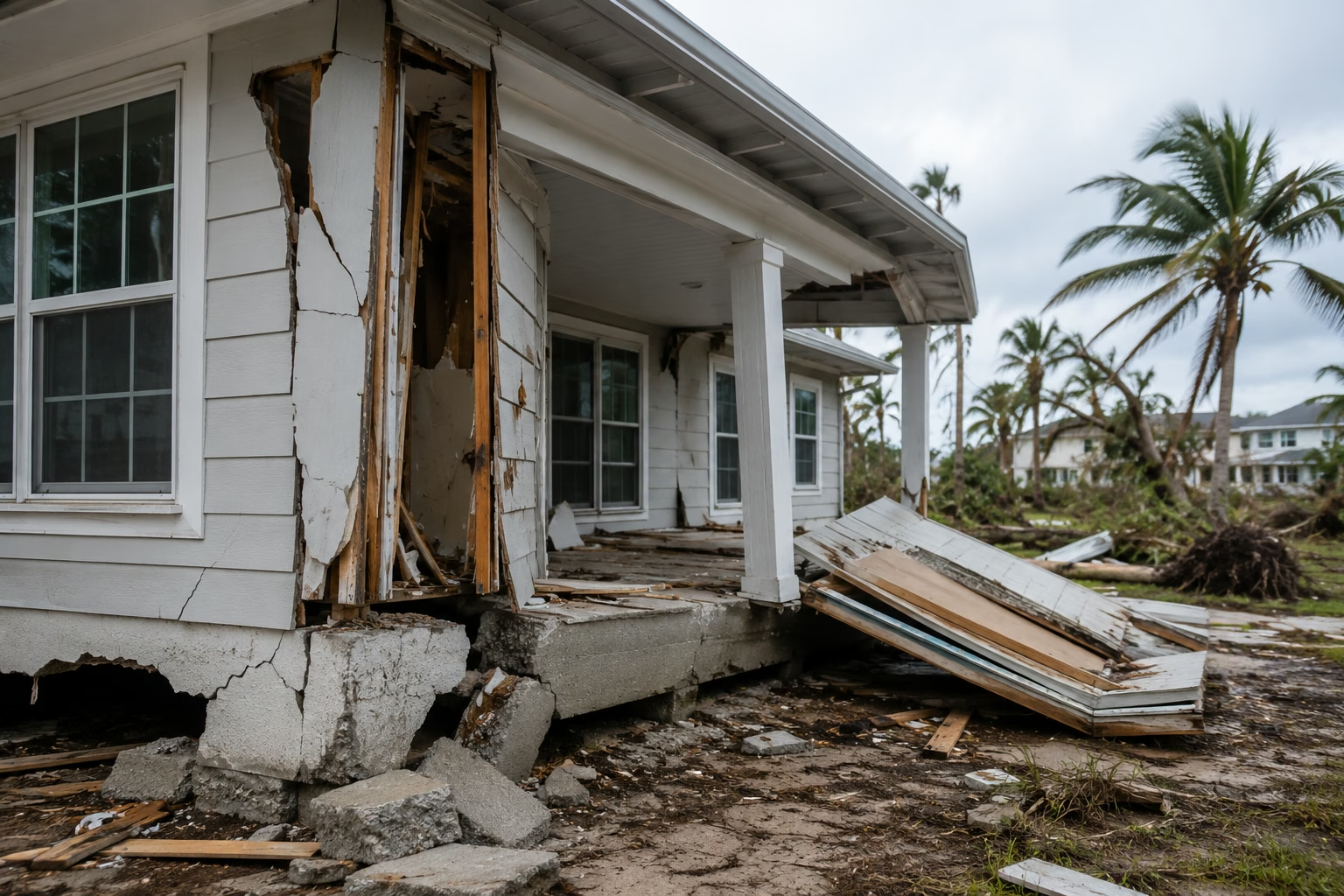
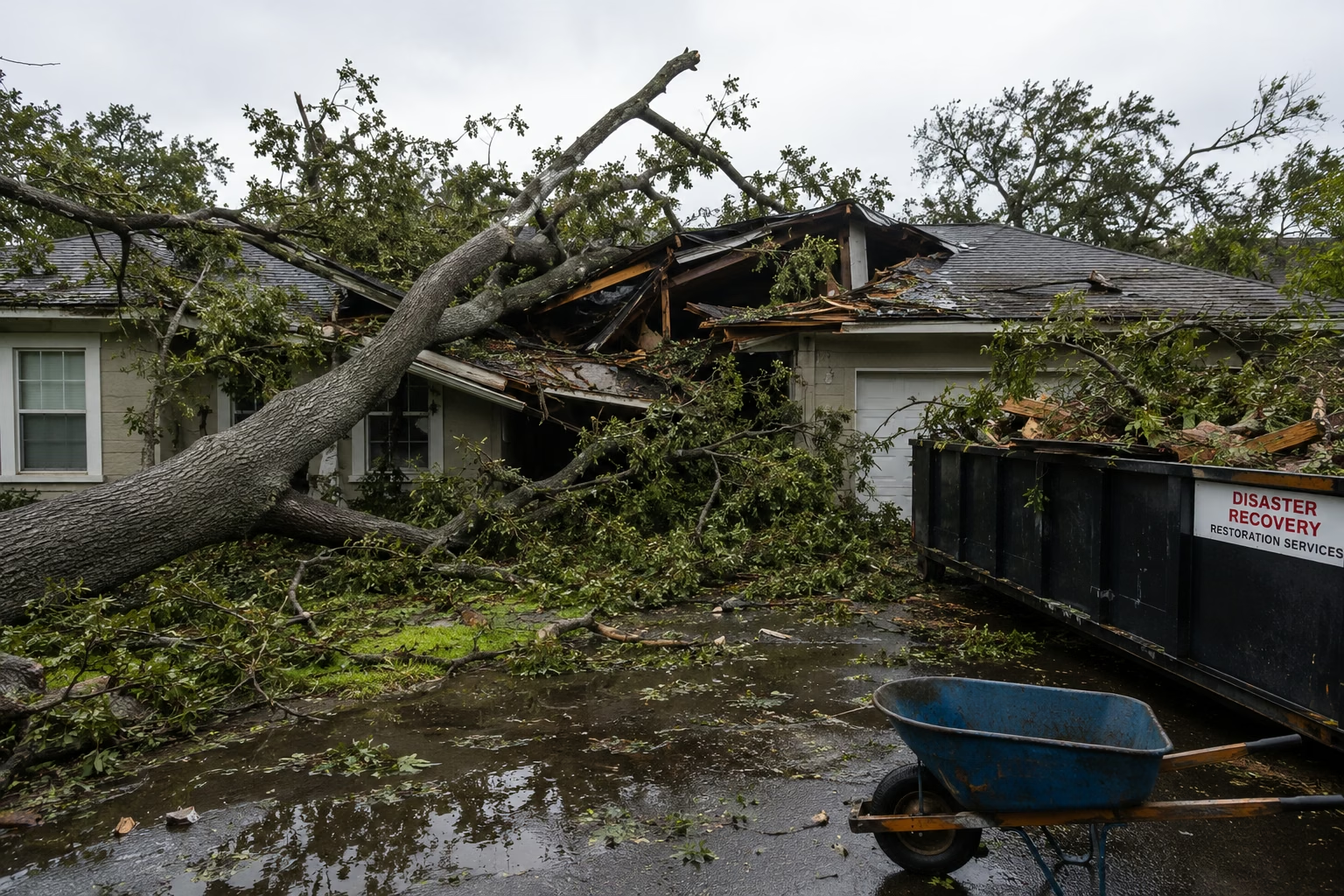
South Florida sees intense rain — not just during hurricanes but from regular afternoon thunderstorms that can dump several inches in under an hour. Any gap in a window seal, a damaged roof tile, a compromised door threshold, or an overflowing gutter can push water into your home’s structure during these events. After any significant storm, walk through your home and check for wet floors, wall staining, or moisture around windows and doors. The faster moisture is identified and addressed, the lower the risk of mold taking hold.
- Inspect and Maintain Your Plumbing Regularly
Miami’s warm water and mineral-rich water supply accelerate pipe corrosion, particularly in older homes with copper or galvanized plumbing. Even small, slow leaks inside walls can create perpetually moist conditions that mold thrives in. Check under every sink, behind your washing machine, and around your water heater at least quarterly. Look for staining, soft drywall, or any signs of slow dripping at connections and supply lines.
- Keep Exterior Walls and Window Seals Tight
Miami homes face constant UV exposure, salt air from the ocean, and extreme weather that degrades exterior caulking and weatherstripping faster than in most climates. Inspect the caulking around every window, door, and exterior penetration annually. Replace any caulk that is cracking, shrinking, or separating. This is especially important on the windward side of your home, which takes the most direct rain exposure during tropical storms and hurricanes.
- Don’t Let Organic Materials Sit in Humid Areas
Cardboard boxes, paper bags, fabric, and untreated wood are all food sources for mold. In South Florida’s humidity, storing these materials in garages, utility rooms, or anywhere that lacks strong air conditioning is an invitation for mold growth. Use plastic storage bins with lids, keep garage and storage areas ventilated, and avoid stacking items directly against exterior walls where condensation tends to form.
Mold Prevention Room by Room in a Miami Home
Bathrooms
- Run the exhaust fan during every shower and for at least 15 minutes after
- Re-caulk the tub and shower surround at the first sign of cracking or discoloration
- Check behind the toilet and under the vanity cabinet monthly for drips
Kitchen
- Always run the range hood when cooking — steam is humidity
- Check under the sink regularly, especially around the garbage disposal connection
- Make sure the dishwasher door seal is intact and not retaining moisture
Garage
- Use plastic shelving and sealed containers instead of cardboard
- Check the garage door threshold seal after every major storm
- Inspect the walls along the bottom course of drywall, as garages are prone to ground-level moisture wicking
Laundry Room
- Make sure your dryer vent exhausts fully to the outside
- Don’t leave wet clothes sitting in the washer
- Check the supply hoses on the washing machine annually and replace rubber hoses with braided steel
FAQ: Mold Prevention in Miami
What humidity level prevents mold in South Florida?
Aim to keep indoor relative humidity below 60%, with 50% or lower being ideal. This is challenging during Miami summers without active dehumidification. A well-maintained AC system combined with a supplemental dehumidifier is the most reliable way to stay in the safe range consistently.
How do restoration professionals prevent mold after water damage in Miami?
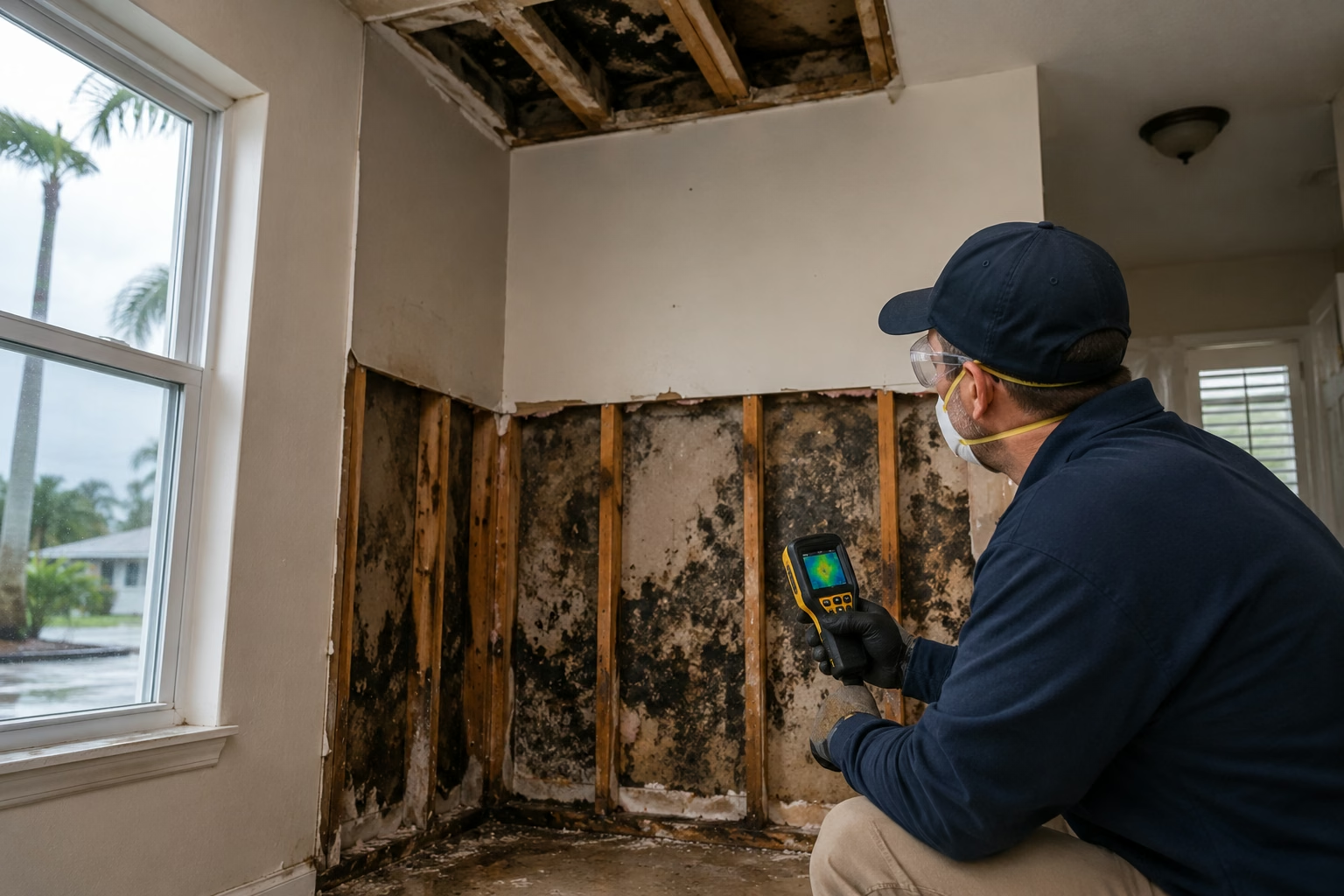
After water damage, restoration professionals use commercial-grade air movers and dehumidifiers to rapidly extract moisture from structural materials. In South Florida’s climate, rapid drying is especially critical — mold can begin establishing within 24 to 48 hours. Professionals monitor moisture levels inside walls and floors using specialized meters and don’t clear a job until all structural materials reach safe dry standards, typically within 3 to 5 days.
When to Call a Professional
If you already see or smell mold, or if you’ve had any water intrusion and aren’t confident everything dried completely, don’t wait.
In Miami’s climate, mold escalates faster than in most parts of the country.
The Paul Davis team is local, available 24/7, and equipped to assess, dry, and remediate moisture and mold problems in South Florida homes. Prevention is always the better path, but when mold does appear, fast professional response makes a significant difference in the outcome.
Call Us 24/7 for a Free Inspection: 305-787-2260
Paul Davis Restoration of Miami Beach & Hialeah acts quickly to stop damage in Aventura, Miami Beach, Hialeah, Doral, and beyond.