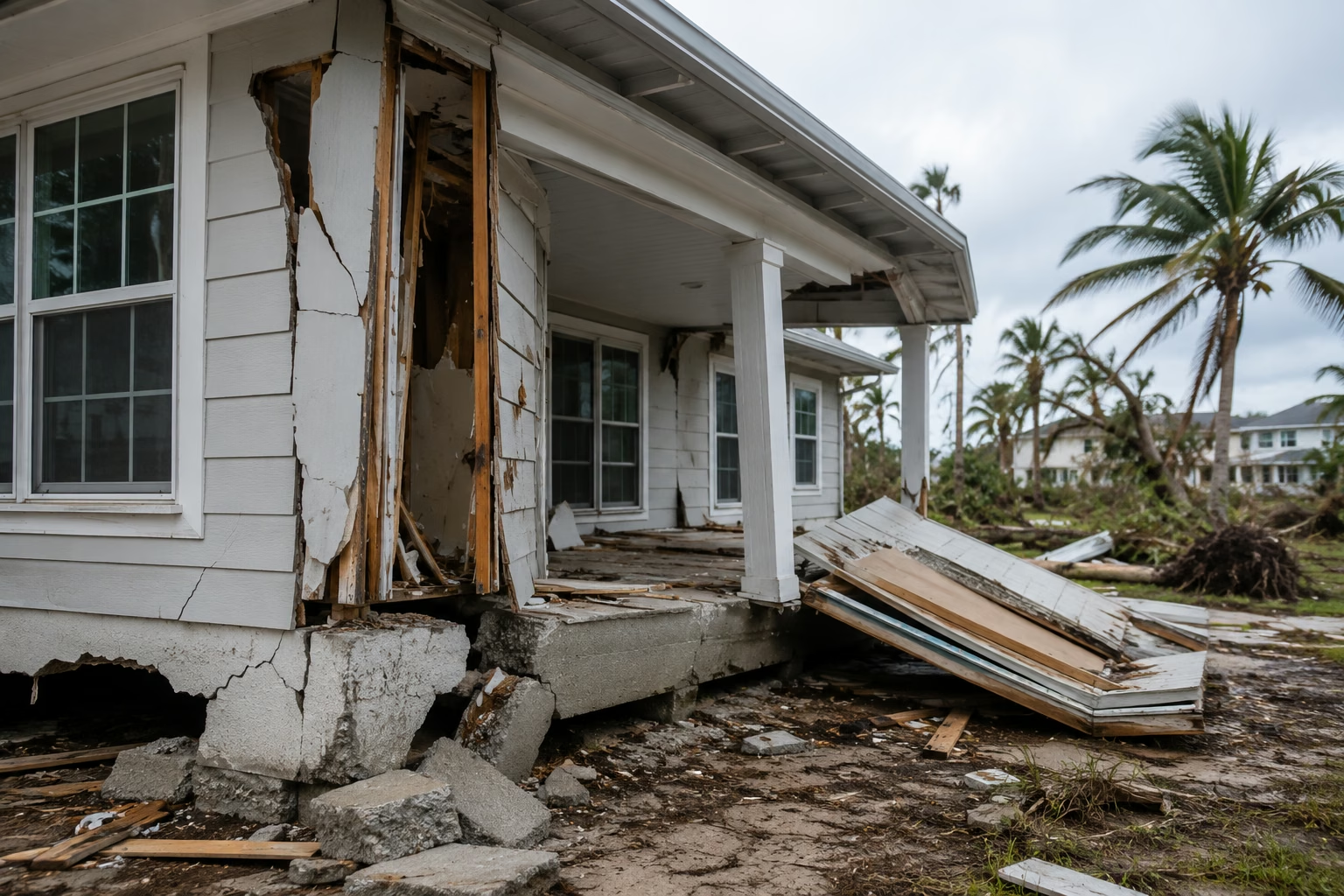
Your roof takes the full force of a hurricane before any other part of your home. Wind, rain, flying debris, and sustained pressure all hit the roof first — and when it fails, everything inside becomes vulnerable almost immediately. In South Florida, where major storms can bring sustained winds well above 100 mph, roof protection isn’t something to leave to chance.
Here’s what Miami Beach and Hialeah homeowners need to know about keeping their roof intact through hurricane season.
Start With a Professional Inspection Before June
The single most important thing you can do for your roof before hurricane season is have it professionally inspected. Not a general maintenance check — a hurricane-focused inspection that looks specifically for vulnerabilities that become critical under high wind and heavy rainfall.
As covered in our guide on why roof inspections matter before hurricane season, an inspector should look for loose or lifting shingles, damaged flashing around vents and chimneys, deteriorating sealants, compromised soffits and fascia, and any areas where the roof deck may have weakened from previous moisture intrusion. Flat and low-slope roofs should also have drains and scuppers confirmed clear before storm season begins.
Repairs identified before hurricane season can be addressed at normal cost and on a reasonable timeline. The same repairs needed after a named storm is forecast become difficult to schedule and significantly more expensive.
Trim Trees Before the Season Starts
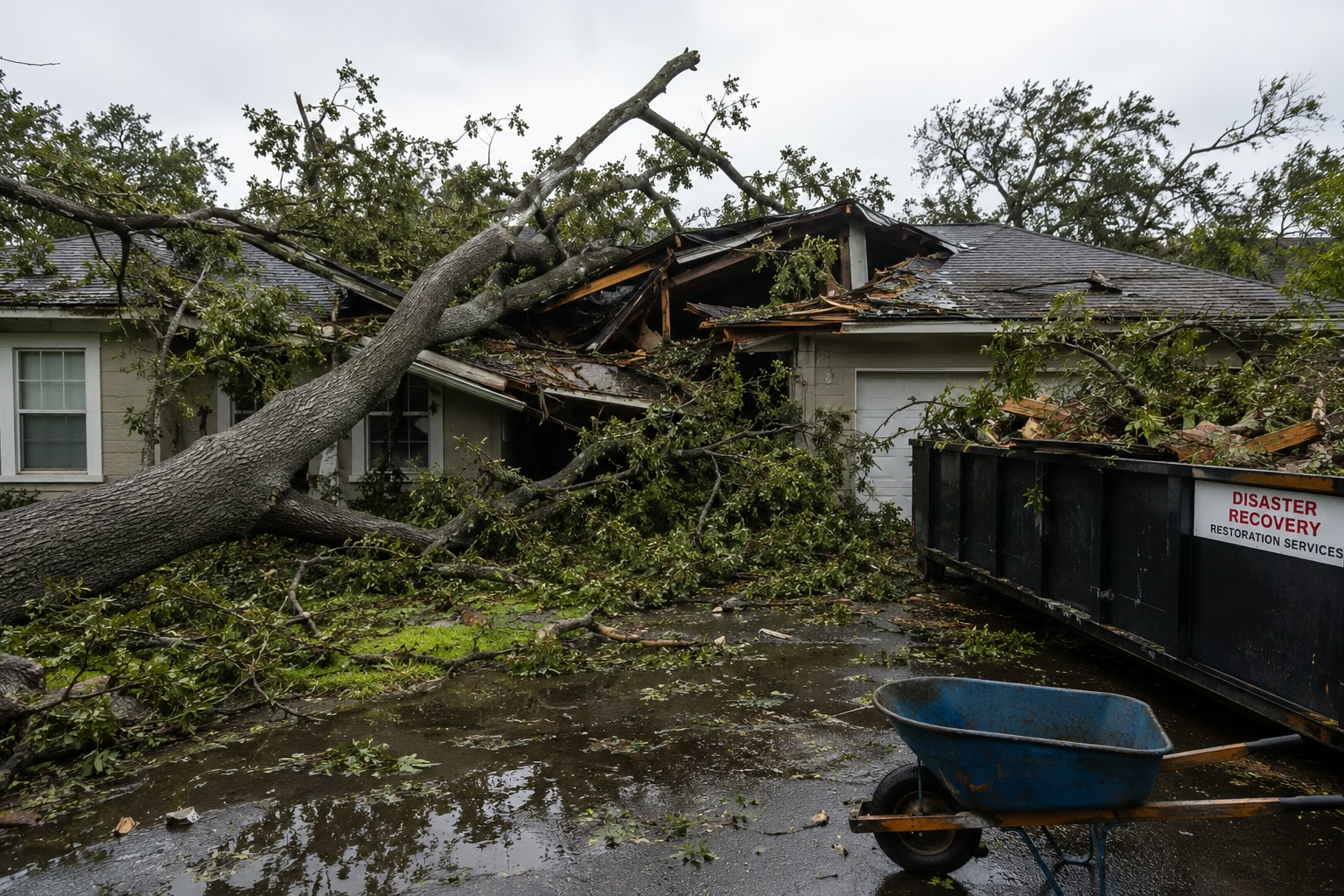
Overhanging branches are one of the most preventable sources of roof damage during a South Florida hurricane. A branch that barely clears your roofline under normal conditions becomes a serious threat when wind speeds reach 80 or 100 mph. Dead branches don’t need that kind of wind to come down — they can fall in a strong thunderstorm.
Trim any branches that hang over or close to your roof before hurricane season begins. For large trees or branches with significant mass, hire a professional arborist rather than attempting removal yourself. And if a tree near your home appears structurally compromised — leaning, showing root damage, or visibly dead — have it evaluated and removed before storm season if necessary.
Secure or Replace Vulnerable Roofing Materials
If your inspection identifies loose shingles, deteriorating flashing, or damaged soffits, address them before June. These aren’t cosmetic issues — they’re entry points for wind and water during a hurricane.
For homes with older roofs that predate Miami-Dade County’s post-Andrew building codes, a more comprehensive evaluation is worth having. Roofs built before the mid-1990s were not constructed to current wind resistance standards and may have reached the end of their effective lifespan regardless of how they look from the ground.
If a full roof replacement isn’t feasible before this season, at minimum have the most vulnerable areas reinforced and establish a plan with a trusted restoration team for emergency tarping if the roof sustains damage during a storm.
Have a Tarp Plan Ready
Even a well-maintained roof can sustain damage during a major hurricane. Flying debris, fallen trees, and extreme wind uplift can compromise roofing materials that were in perfectly good condition before the storm. Having a plan for emergency roof tarping before hurricane season means you’re not scrambling to find help when every restoration team in South Florida is already deployed.
Paul Davis Restoration of Miami Beach and Hialeah provides emergency roof tarping as part of our post-storm response services. Our team is available 24/7 throughout hurricane season and can deploy quickly after a storm to protect your home from further water intrusion while permanent repairs are arranged. You can also review our residential hurricane preparedness services to see how we help homeowners protect their properties before a storm develops.
Frequently Asked Questions
What type of roof holds up best in a South Florida hurricane?
Hip roofs — where all four sides slope downward to the walls — are generally more wind-resistant than gable roofs because they present less surface area to wind uplift. Metal roofing systems installed to current Miami-Dade standards also perform well in high-wind conditions. That said, installation quality and maintenance matter as much as roof type — a well-maintained gable roof in good condition will outperform a neglected hip roof every time.
Can I tarp my own roof after a hurricane?
It’s not recommended. Working on a roof after a hurricane is dangerous — surfaces are wet, structural integrity may be compromised, and conditions can change quickly if a storm’s outer bands are still present. Professional tarping teams have the equipment and training to work safely and install tarps correctly so they provide real protection rather than false security. Call a restoration professional as soon as it’s safe to do so after a storm.
How long does emergency roof tarping protect a home after a hurricane?
A properly installed emergency tarp provides meaningful protection for several weeks — long enough to allow permanent repairs to be scheduled and completed. In South Florida after a major hurricane, roofing contractors can be booked out for months, making proper emergency tarping essential to preventing ongoing water intrusion and mold growth while you wait for permanent repair.
Know the Warning Signs After a Storm Passes
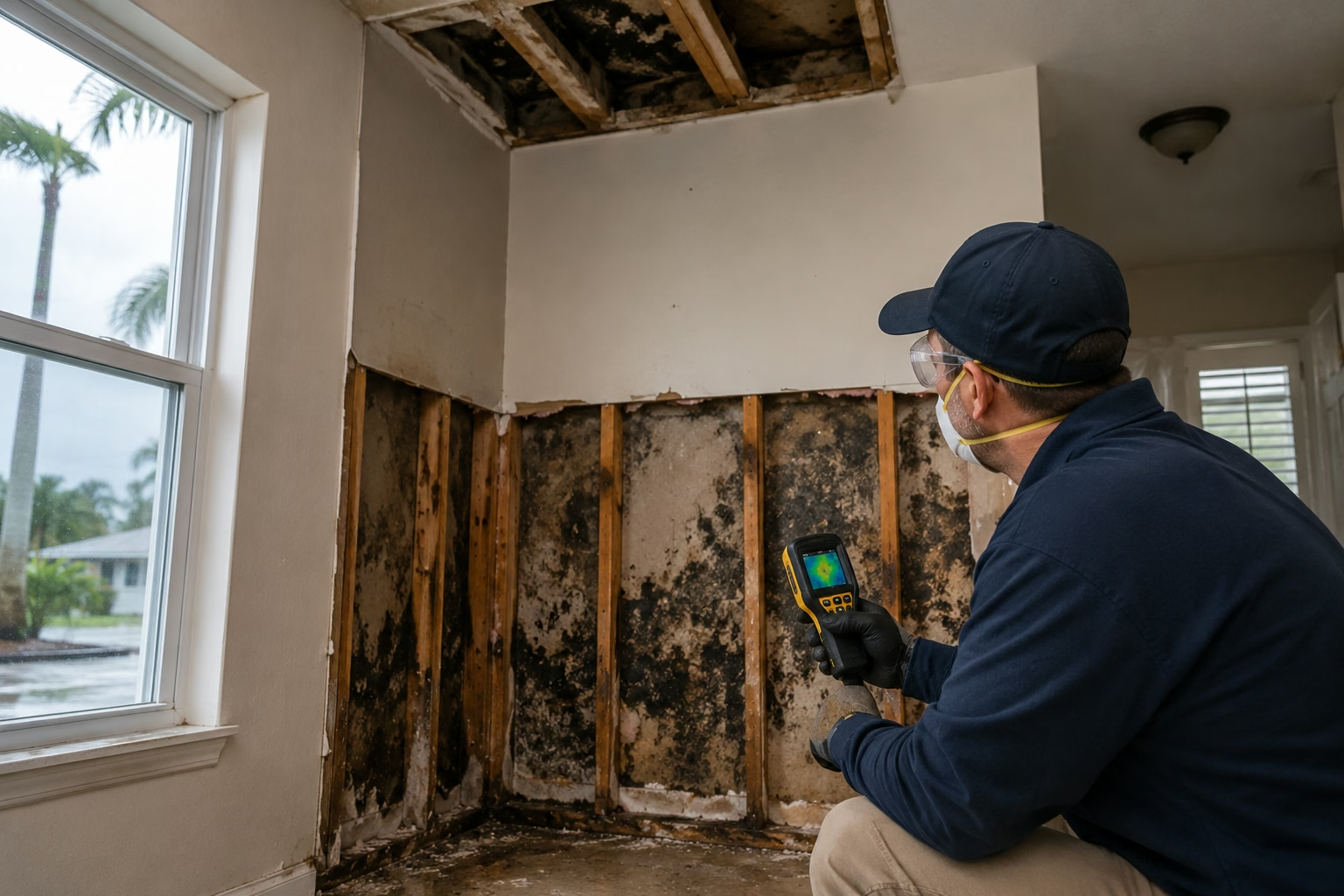
After a hurricane, don’t wait for visible ceiling damage to assume your roof is intact. Water can enter through small breaches and travel along framing members, pooling in areas far from the original entry point. By the time a water stain appears on your ceiling, significant hidden moisture may already be present in your insulation, wall cavities, and flooring substrate.
After any hurricane, have your roof inspected even if it looks undamaged from the ground. In South Florida’s heat and humidity, undetected moisture intrusion can lead to mold growth within 24 to 48 hours — making fast professional assessment essential after every storm.
Call us before or after the storm: 305-787-2260
Paul Davis Restoration of Miami Beach and Hialeah serves Miami Beach, Hialeah, Doral, Aventura, and surrounding South Florida communities.