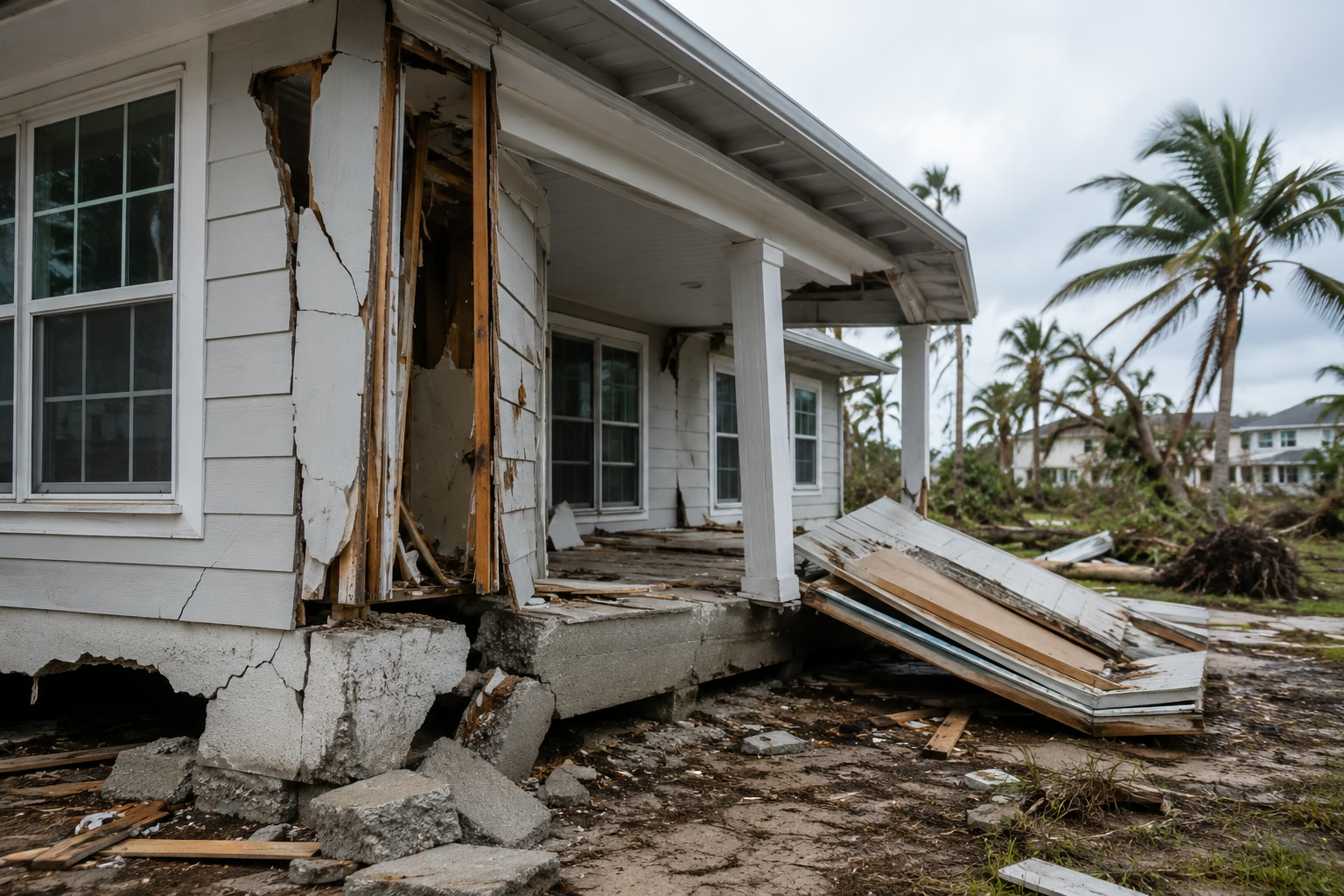
Hurricane damage does not end when the storm does. In Miami-Dade’s heat and humidity, the conditions left behind by a hurricane create one of the fastest environments for mold growth anywhere in the country. For homeowners dealing with water intrusion after a storm, mold is not a possibility — it is a near certainty without fast, thorough action.
Understanding how quickly mold develops after a hurricane and what to do when you find it can mean the difference between a straightforward drying job and a full remediation that costs significantly more and takes far longer.
How Fast Mold Actually Grows After a Hurricane
The EPA and FEMA both cite 24 to 48 hours as the critical window for drying water-damaged materials before mold begins to establish. In Miami-Dade’s climate — where temperatures stay high and outdoor humidity remains elevated even after a storm passes — that window can be shorter.
Mold spores are always present in the air. What a hurricane provides is the moisture those spores need to germinate and colonize. Once water penetrates drywall, wood framing, insulation, or flooring, the clock starts immediately. By 48 hours, visible mold growth can already be present on saturated materials.
Why Hurricane Conditions Accelerate Mold Growth
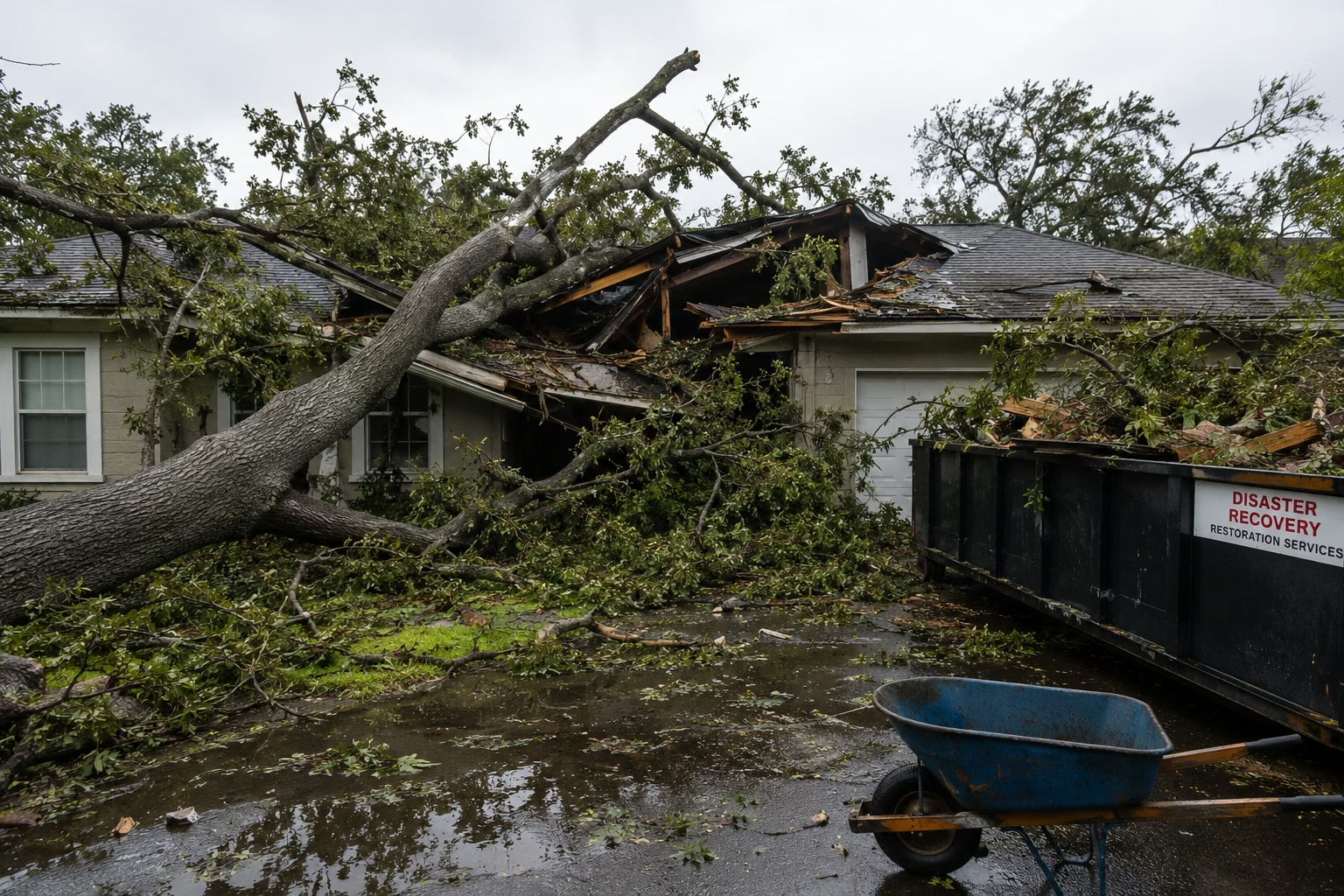
Not all water intrusion events carry the same mold risk. Hurricanes create particularly fast mold conditions for several reasons. Storm surge introduces saltwater, which leaves behind mineral deposits and organic debris that feed mold growth. Roof damage allows sustained water entry over the hours a storm passes. And widespread power outages mean air conditioning — which controls indoor humidity — is often offline precisely when it is needed most.
Without air conditioning running, indoor humidity levels in Miami-Dade can climb rapidly after a hurricane. High indoor humidity alone, even without visible standing water, is enough to accelerate mold growth in materials that absorbed moisture during the storm.
Where Mold Establishes First After a Hurricane
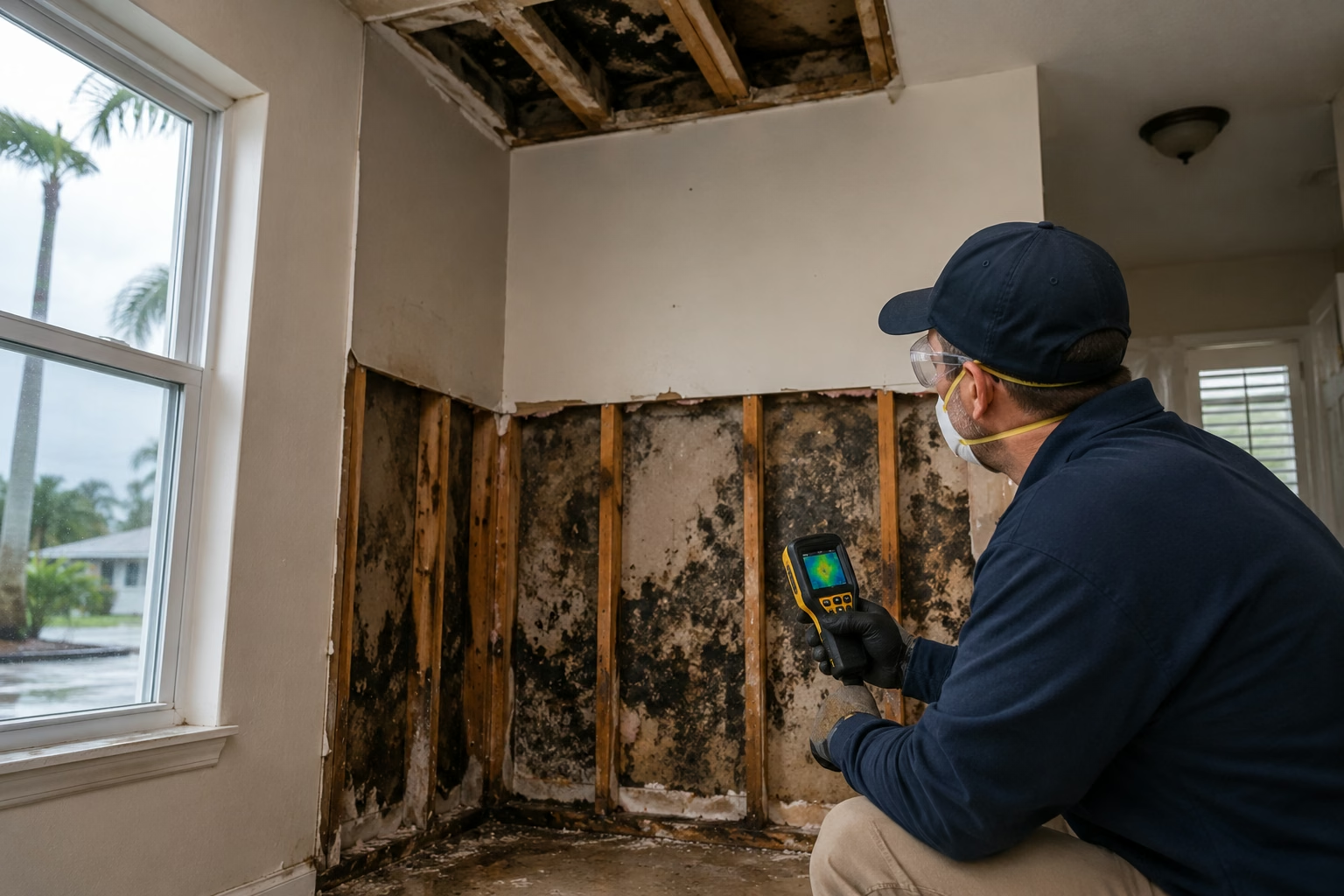
Mold rarely starts where it is first noticed. It establishes in hidden spaces — inside wall cavities, beneath flooring, behind baseboards, and inside ceiling assemblies — where moisture collects and airflow is limited. By the time mold becomes visible on a surface, it has typically already been growing inside the material for days.
Areas near windows, exterior walls, and anywhere the roof was compromised are the highest-risk zones after a hurricane. Read our post on storm water intrusion to understand how water moves through a home’s structure after a storm and where it tends to collect.
What to Do When You Find Mold After a Hurricane
If you discover mold after a hurricane, do not attempt to clean it with household products and consider the problem resolved. Surface cleaning removes visible growth but does not address the moisture inside the material that is sustaining it. Mold will return to the same surface — and others — until the underlying moisture is fully eliminated.
Document all visible mold growth with photos before touching anything. This is important for your insurance claim. Then contact a certified restoration team immediately. Mold remediation after a hurricane requires removing affected materials, treating the area, and confirming through testing that spore levels have returned to normal. Our hurricane damage cleanup checklist outlines the full post-storm process including what to do when mold is suspected.
Does Homeowners Insurance Cover Hurricane Mold in Miami-Dade?
Coverage depends on the cause and how quickly the damage was reported. Mold that results directly from a covered hurricane event — such as water entry through wind-damaged roofing — is often covered under standard homeowners insurance. Mold resulting from storm surge or flooding typically falls under flood insurance.
The most important factor is prompt reporting. Insurers can and do deny mold claims when damage appears to have been left unaddressed for an extended period after a storm. Reporting quickly and beginning documented mitigation immediately protects your claim. Learn more about our mold damage removal services and what the process involves.
Frequently Asked Questions
How long does it take for mold to grow after a hurricane in Miami-Dade? Mold can begin developing within 24 to 48 hours of water intrusion — and sometimes faster in Miami-Dade’s warm, humid climate. Materials that remain wet beyond that window have a high likelihood of mold growth, particularly inside wall cavities and beneath flooring where drying is slowest.
Can I remove hurricane mold myself? Small amounts of surface mold on non-porous materials can sometimes be addressed with appropriate cleaning products. However, mold that has established inside drywall, insulation, or wood framing after hurricane flooding requires professional remediation. Cleaning the surface without removing the affected material and eliminating the moisture source will not resolve the problem.
What does hurricane mold remediation involve? Professional mold remediation after a hurricane typically includes containment of the affected area, removal of mold-impacted materials, treatment of structural surfaces, commercial drying of remaining materials, and post-remediation testing to confirm spore levels are within normal range. The scope depends on how far the mold has spread and how long moisture was present before remediation began.
Work With a Team That Moves as Fast as Mold Does
Mold after a hurricane is a race against the clock. The faster water is extracted and materials are dried, the lower the risk — and the smaller the total scope of remediation required. Waiting to see whether mold develops before calling for help is almost always the more expensive choice.
Paul Davis Restoration of Miami Beach and Hialeah responds 24/7 to hurricane damage throughout Miami-Dade County. Our IICRC-certified team uses commercial-grade extraction, structural drying, and moisture detection equipment to confirm materials are fully dry — not just dry at the surface. Reach out to our water damage restoration services team as soon as conditions allow.
Call us before or after the storm: 305-749-5728
Paul Davis Restoration of Miami Beach and Hialeah serves Miami Beach, Hialeah, Doral, Aventura, and surrounding Miami-Dade County communities.