After a major hurricane, many Miami Beach homeowners are not entirely sure what kind of water event hit their property. Storm surge and flooding are two terms that often get used together, but they describe very different situations. Knowing the difference matters for your response, your restoration approach, and especially your insurance claim.
Understanding how storm surge and flooding differ can help homeowners across Miami Beach and South Florida take the right steps after a hurricane — and avoid costly mistakes during recovery.
What Is Storm Surge?
Storm surge is the rise in ocean water caused by hurricane-force winds pushing water toward shore. When a storm makes landfall, that wall of ocean water can push inland rapidly, flooding coastal areas with saltwater that can rise several feet within hours.
Miami Beach is one of the most storm surge-vulnerable cities in the United States. Its barrier island position and low elevation mean a major hurricane can produce surge heights capable of flooding ground-floor homes across large portions of the city.
What Is Flooding?
Flooding in a storm context typically refers to freshwater inundation from heavy rainfall overwhelming drainage systems or nearby waterways. Unlike storm surge, it is not driven by ocean water pushing inland.
Both types of water intrusion cause severe property damage, but they affect your home differently — and they are treated very differently by your insurance policy.
How Storm Surge and Flooding Damage Homes Differently
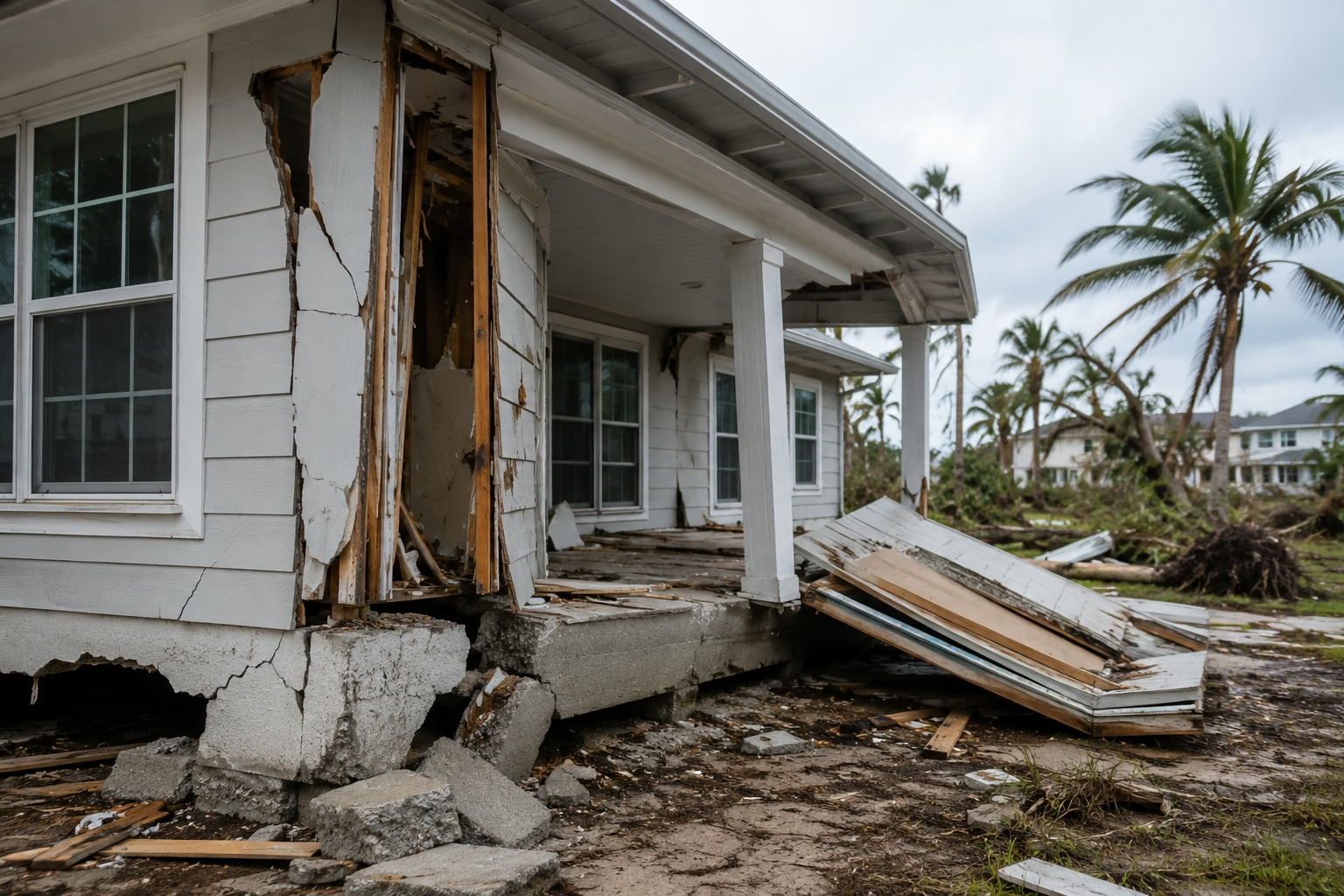
Storm surge is saltwater. When it enters a home, it leaves behind corrosive residue that continues to degrade metal components, electrical systems, and structural materials long after the water recedes. Porous materials like drywall and wood framing often require full removal rather than drying alone.
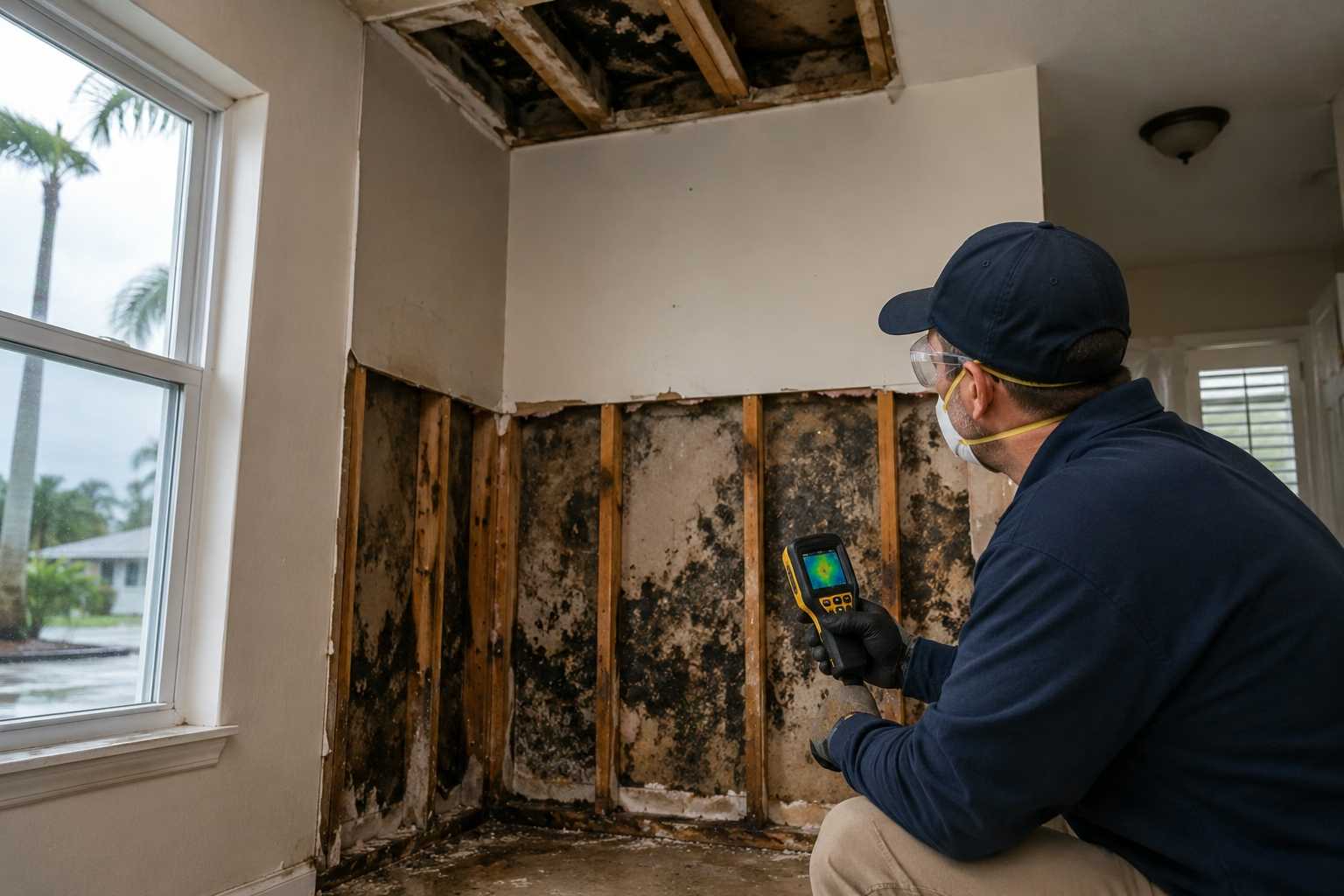
Rainwater flooding does not carry the same saltwater corrosion, but in South Florida’s warm climate, mold can begin developing within 24 to 48 hours of water exposure. No matter the source, standing water causes damage that compounds with every passing hour. Read our full breakdown of storm water intrusion to understand how water spreads inside a home after a storm.
What This Means for Your Insurance Coverage
This is where the difference between storm surge and flooding becomes especially critical. Standard Florida homeowners insurance covers wind damage but typically does not cover flooding. For insurance purposes, storm surge is classified as flood damage — requiring a separate flood insurance policy, usually through the National Flood Insurance Program.
If you are unsure what your current policy covers, reviewing it before storm season rather than after can prevent major surprises during the claims process.
What to Do After Your Home Takes on Water
Whether your home was affected by storm surge or flooding, the first priority is safety. Confirm the structure is stable and that power has been shut off before entering. If there is standing water inside and the electricity was not cut before the storm, contact your utility provider before going in.
Once it is safe, document everything before touching or removing anything. Photograph all visible damage — flooring, walls, ceilings, and any structural issues. Then begin removing water as quickly as possible. Our hurricane damage cleanup checklist walks through the full process step by step.
Work With a Restoration Team That Knows South Florida
Storm surge and flooding both require professional restoration. Moisture left inside wall cavities and beneath flooring will continue causing damage — and will almost certainly lead to mold — if not fully extracted with commercial-grade equipment.
Paul Davis Restoration of Miami Beach and Hialeah responds 24/7 to water damage from storm surge and flooding. Our IICRC-certified team handles water extraction, structural drying, mold prevention, and insurance documentation from the first call through the final repair. Learn more about our storm damage restoration services.
Frequently Asked Questions
Does homeowners insurance cover storm surge in Florida? In most cases, no. Storm surge is classified as flood damage for insurance purposes and requires separate flood insurance coverage. Standard policies typically cover wind damage only, so having both types of coverage is important for South Florida homeowners.
How fast does mold grow after storm flooding in Miami Beach? Mold can begin developing within 24 to 48 hours in South Florida’s warm, humid climate. Fast water extraction and professional drying are the most effective ways to prevent mold growth after any water intrusion event.
What should I do first after storm surge or flooding affects my home? Prioritize safety before re-entering the property. Once inside, document all visible damage with photos and video before moving or removing anything. Then contact a professional restoration team as quickly as possible — the faster mitigation begins, the less total damage your property sustains.
Work With a Restoration Team That Knows South Florida
Storm surge and flooding both require professional restoration. Moisture left inside wall cavities and beneath flooring will continue causing damage — and will almost certainly lead to mold — if not fully extracted with commercial-grade equipment.
Paul Davis Restoration of Miami Beach and Hialeah responds 24/7 to water damage from storm surge and flooding. Our IICRC-certified team handles water extraction, structural drying, mold prevention, and insurance documentation from the first call through the final repair.
Call us before or after the storm: 305-749-5728
Paul Davis Restoration of Miami Beach and Hialeah serves Miami Beach, Hialeah, Doral, Aventura, and surrounding South Florida communities.