The hours immediately following a hurricane are the most important in determining how much damage your home ultimately sustains. Water spreads, materials saturate, and conditions for mold develop fast — especially in Miami-Dade’s heat and humidity. What you do in that first window matters more than most homeowners realize.
This guide walks through the right steps in the right order so you can move quickly, stay safe, and protect your home and your insurance claim from the moment the storm clears.
Prioritize Safety Before Re-Entering Your Home
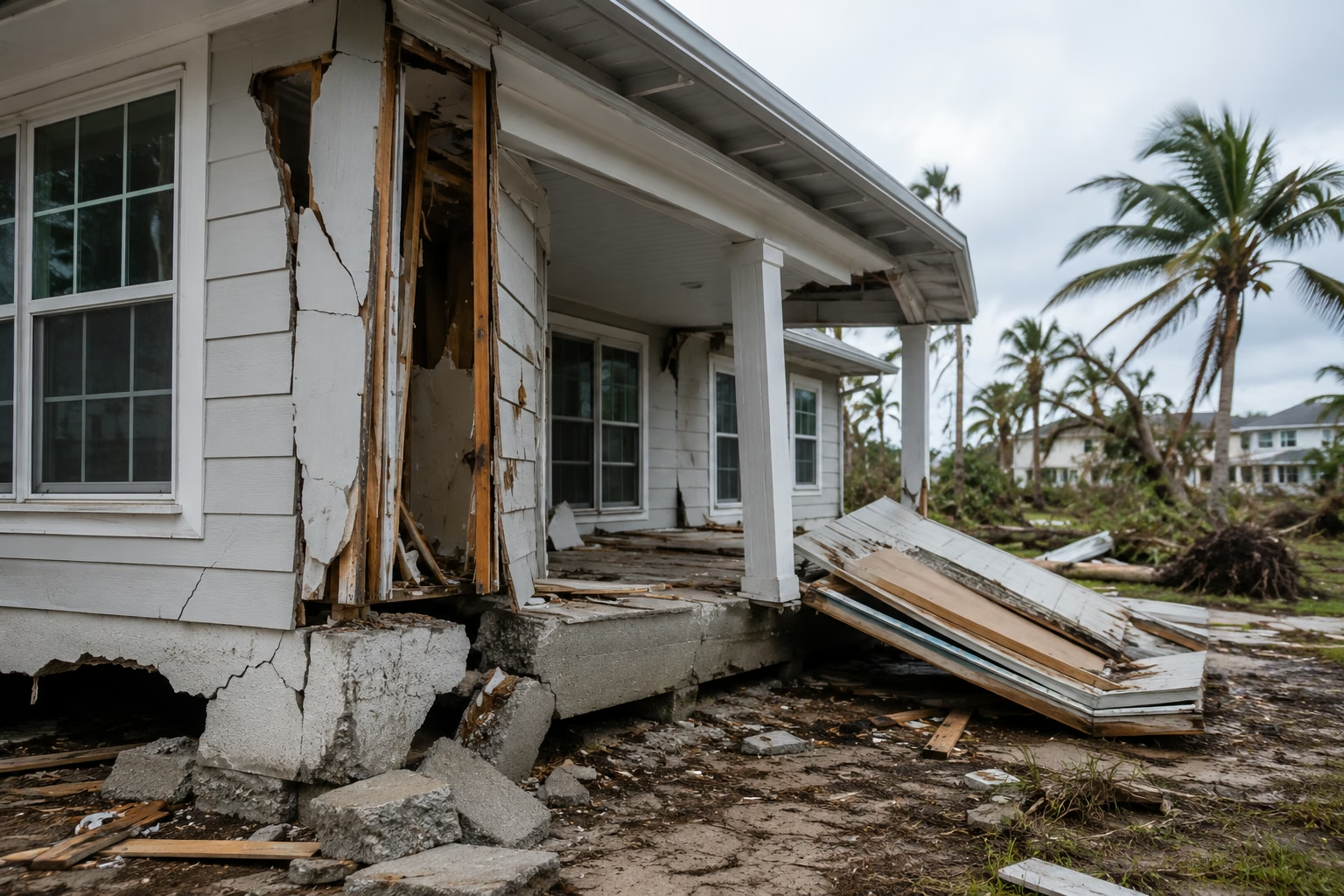
Do not re-enter your home until local authorities have confirmed it is safe to do so. Downed power lines, compromised gas lines, and structurally weakened areas are not always visible from the outside. If your home is in a mandatory evacuation zone, wait for the all-clear before returning.
Once you are back on the property, walk the exterior first. Look for visible structural damage, damaged utility connections, and any signs that the roof or walls have been compromised. If you smell gas or see sparking electrical equipment, leave immediately and contact your utility provider.
Document Everything Before You Touch Anything
Before moving furniture, pulling up wet flooring, or removing any damaged materials, document all visible damage with photos and video. Cover every room — ceilings, walls, floors, windows, and any belongings that were affected.
This documentation is the foundation of your insurance claim. The more thorough your visual record is before cleanup begins, the stronger your position when the adjuster reviews the damage. Note water lines on walls, the depth of any standing water, and any visible structural issues you observe.
Address Roof Damage Immediately
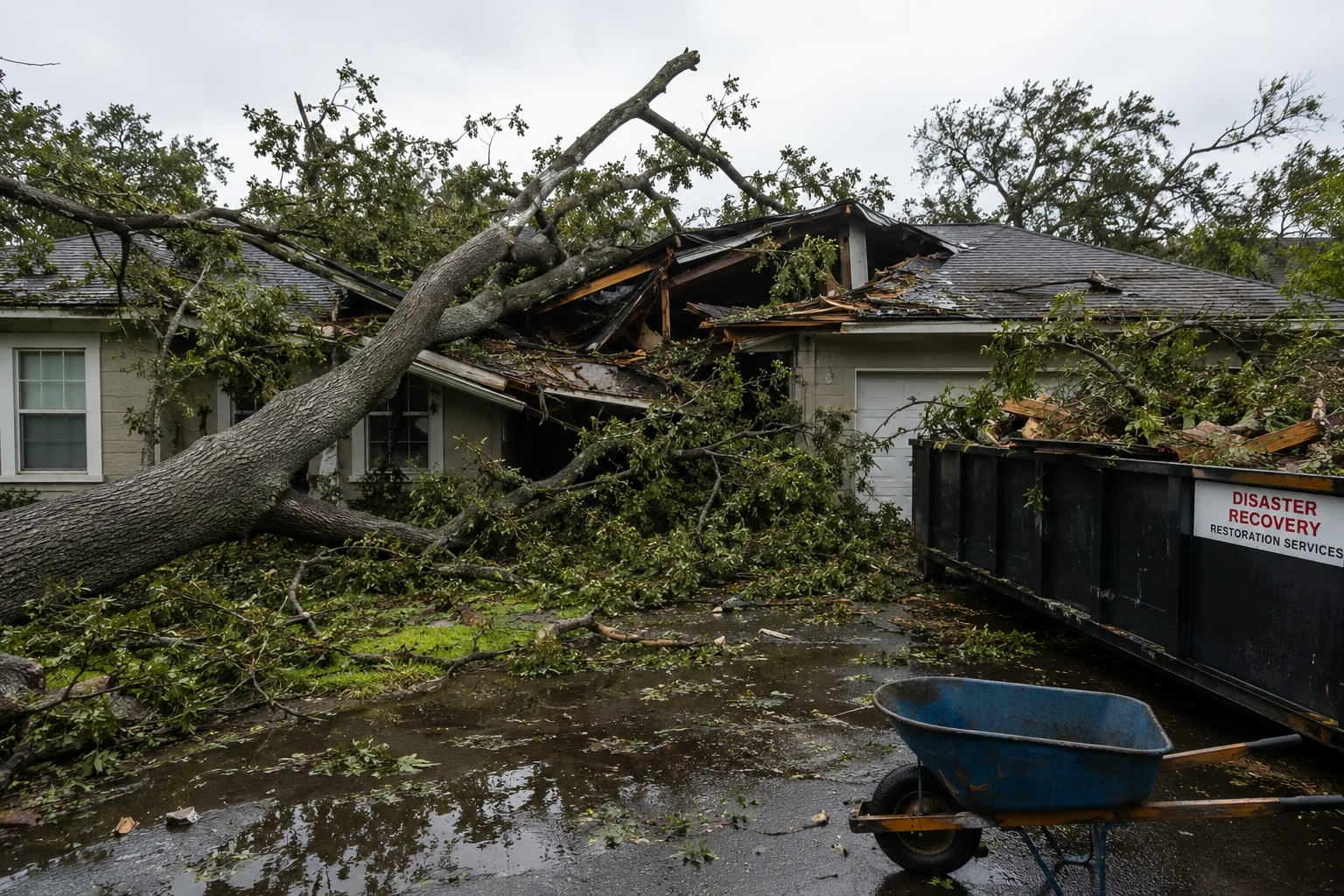
If your roof sustained damage during the storm, covering the exposed area is the single most impactful step you can take in the first 24 hours. Every hour a damaged roof stays open, water continues entering the home — compounding damage to ceilings, walls, insulation, and structural framing.
Emergency roof tarping is considered standard mitigation and is typically covered under your homeowners insurance policy. Our guide on tarping a roof after storm damage covers how the process works and what to expect.
Extract Standing Water as Fast as Possible
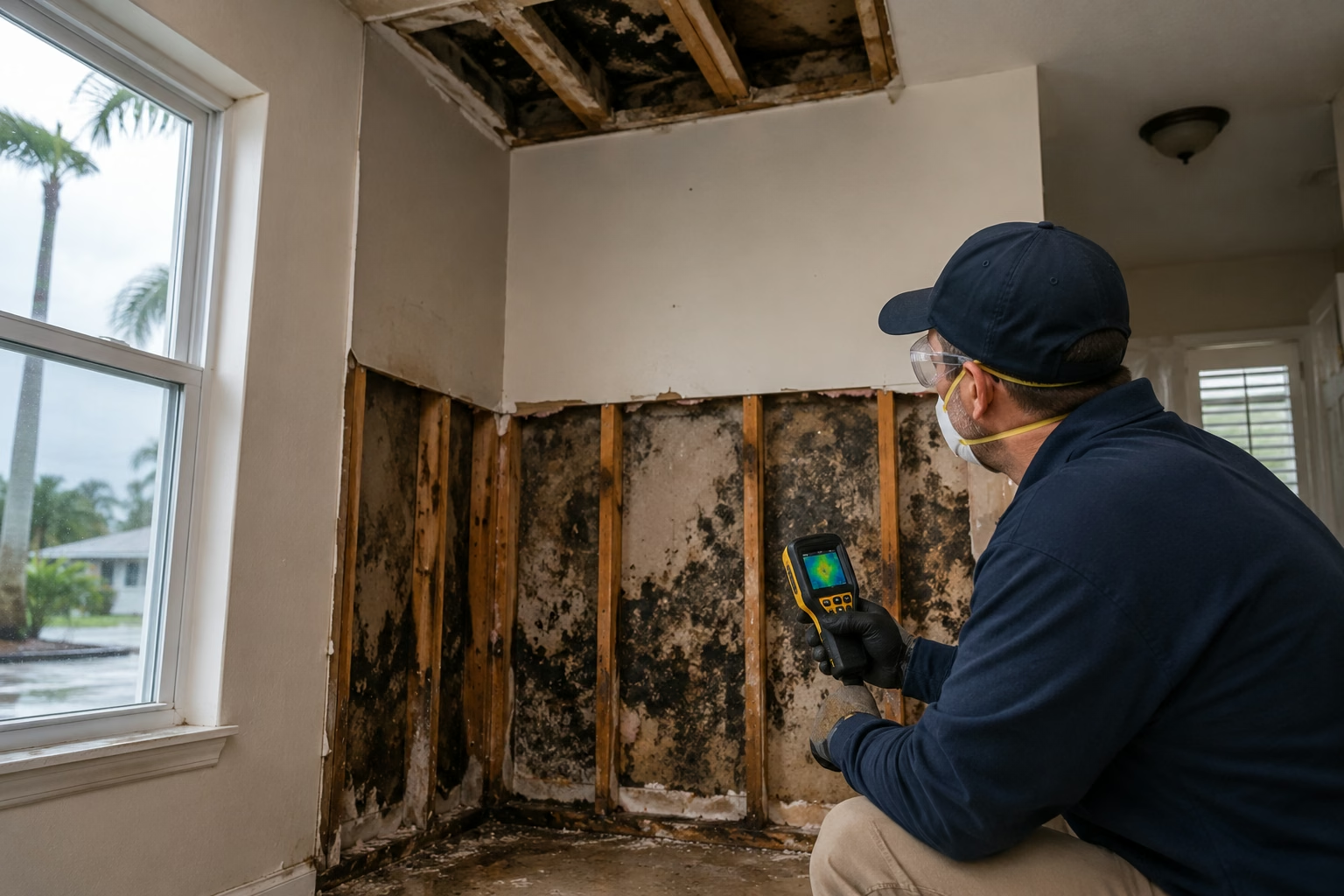
If your home has standing water, begin removing it as soon as it is safe to do so. The longer water sits in contact with flooring, drywall, and structural materials, the deeper it penetrates — and in Miami-Dade’s climate, mold can begin developing within 24 to 48 hours of water intrusion.
Household wet vacuums and mops can handle minor water, but significant flooding requires professional extraction equipment to remove water from wall cavities, subfloor spaces, and other areas household tools cannot reach. Do not assume a surface looks dry means it is dry.
Begin Working Through Your Cleanup Checklist
Once safety and immediate mitigation are handled, work through a systematic cleanup process. Remove saturated materials that cannot be dried quickly — area rugs, cardboard, upholstered furniture — and open windows and doors if outdoor humidity allows to begin increasing airflow.
Keep a record of every step you take and every item you remove. Your insurer needs documentation of what was discarded and why. Our hurricane damage cleanup checklist walks through each stage of the process in detail.
Frequently Asked Questions
Is it safe to go back home right after a hurricane passes? Not always. Wait for local authorities to confirm re-entry is safe for your area, particularly if you were in a mandatory evacuation zone. Check the exterior of your home before going inside and watch for downed power lines, gas leaks, and visible structural damage before entering.
Should I wait for my insurance adjuster before cleaning up? No. You are both allowed and in most cases required by your policy to take reasonable steps to prevent additional damage. Document everything thoroughly before and during cleanup, keep all receipts, and do not permanently dispose of damaged materials until the adjuster has had a chance to review them.
How do I know if my home has hidden water damage after a hurricane? Visible water is only part of the picture. Hidden moisture inside walls, beneath flooring, and in ceiling cavities is common after hurricane flooding and often has no obvious surface signs. A professional restoration team uses moisture detection equipment to identify these areas accurately — something a visual inspection alone cannot do.
Work With a Restoration Team From Day One
The first 24 hours are when professional restoration makes the biggest difference. A certified team can assess moisture levels throughout your home, begin commercial-grade extraction and drying, and document damage in the format your insurer needs — all simultaneously.
Paul Davis Restoration of Miami Beach and Hialeah is available 24/7 for emergency response throughout Miami-Dade County. Our IICRC-certified technicians arrive fast, assess thoroughly, and begin mitigation immediately to limit how far damage spreads from the moment we arrive. Contact our water damage restoration services team as soon as it is safe to do so.
Call us before or after the storm: 305-749-5728
Paul Davis Restoration of Miami Beach and Hialeah serves Miami Beach, Hialeah, Doral, Aventura, and surrounding Miami-Dade County communities.