After a hurricane, the condition of your home in the hours immediately following the storm is the most important evidence your insurance claim will ever have. Once cleanup begins, that evidence changes — and anything that is moved, discarded, or repaired before the adjuster arrives may not be compensable, even if it clearly resulted from the storm.
Thorough, systematic documentation is what separates a strong insurance claim from one that gets delayed, disputed, or reduced. Here is exactly what Miami-Dade homeowners need to capture, how to organize it, and what to avoid in the process.
Start Outside Before You Go In
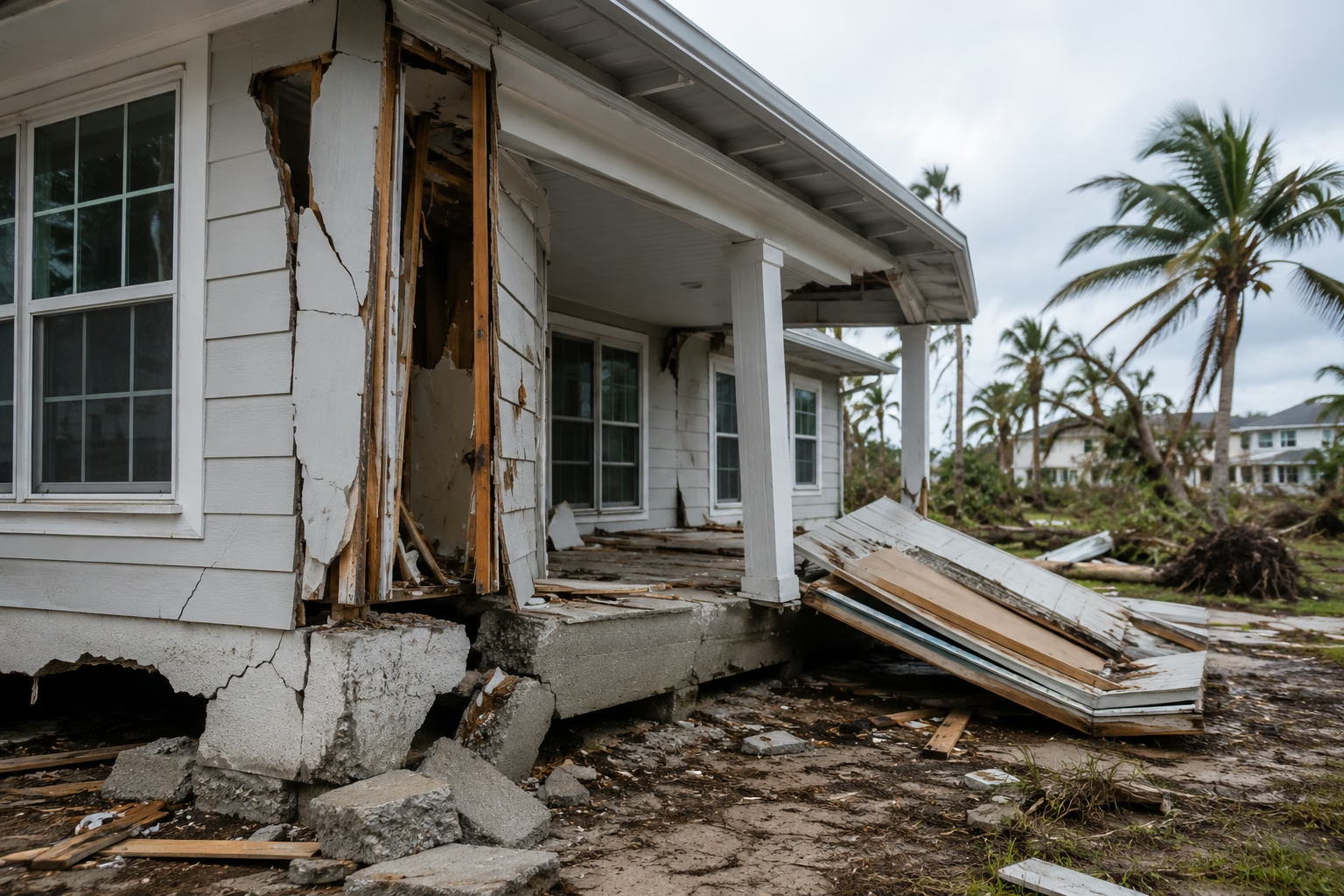
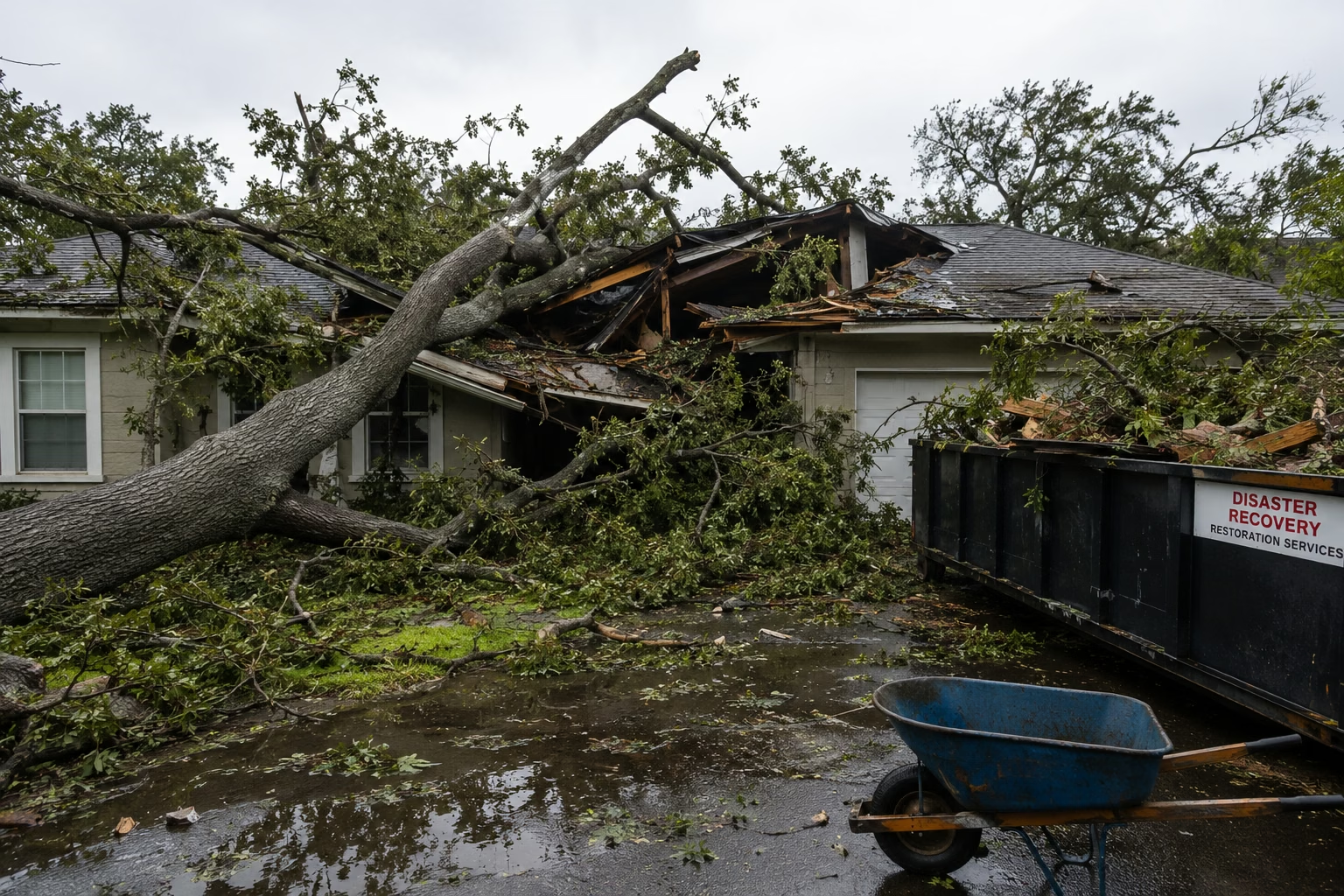
The exterior of your home tells the story of how the storm made entry — and that story matters to your insurer. Before stepping inside, walk the full perimeter of the property and photograph everything you observe. Missing, displaced, or damaged roofing materials, cracked or broken windows, damaged siding, bent gutters, downed trees or debris on the structure, and any damage to fencing, outbuildings, or exterior fixtures should all be captured.
Take wide establishing shots first to show the overall condition of each side of the home, then move in for close-up detail shots of specific damage. The goal is a visual record that shows both context and detail — not just a collection of close-ups that are difficult to place without reference.
Document Every Room Before Touching Anything
Once inside, photograph every room before moving or removing anything — even rooms that appear unaffected. Water travels in ways that are not always immediately visible, and having a baseline record of every space protects you if damage surfaces later in an area that initially looked fine.
In affected rooms, capture the full scope of visible damage — water lines on walls showing how high water reached, saturated flooring, ceiling staining, damaged drywall, and any structural issues you can observe. Note the approximate depth of standing water if it is still present and document waterlines on walls, baseboards, and furniture. Read our post on storm surge vs. flooding to understand the difference between water event types and why documenting the source matters for your claim.
Use Video in Addition to Photos
Photos capture detail — video captures the full picture. Walk through each affected area with your phone recording, narrating what you are observing as you go. Call out specifics — the location of damage, the extent of water intrusion, any structural concerns you notice — in real time as you record.
Video is particularly useful for capturing the scope of damage across an entire room in a way that individual photos cannot convey. It also establishes a timestamp and a continuous record that is harder to dispute than a series of still images. Use both, and back them up to cloud storage immediately so they are not at risk if your phone is lost or damaged during the recovery process.
Document Damaged Belongings Separately
Personal property losses are a separate line item in your insurance claim and need their own documentation. Go room by room and photograph damaged belongings individually — furniture, appliances, electronics, clothing, and any other items affected by water, wind, or debris.
For high-value items, note the make, model, and approximate age where possible. Write a written inventory alongside your photos — a simple list with descriptions, estimated values, and condition notes. Keep this inventory updated as you discover additional damaged items during cleanup. Our hurricane damage cleanup checklist walks through the full process of managing damaged contents alongside structural documentation.
Keep Everything Until the Adjuster Has Seen It
One of the most common documentation mistakes Miami-Dade homeowners make is discarding damaged materials before the insurance adjuster has inspected them. Flooring, drywall sections, damaged appliances, and ruined belongings are all evidence that supports the scope of your claim — and once they are gone, that evidence cannot be recreated.
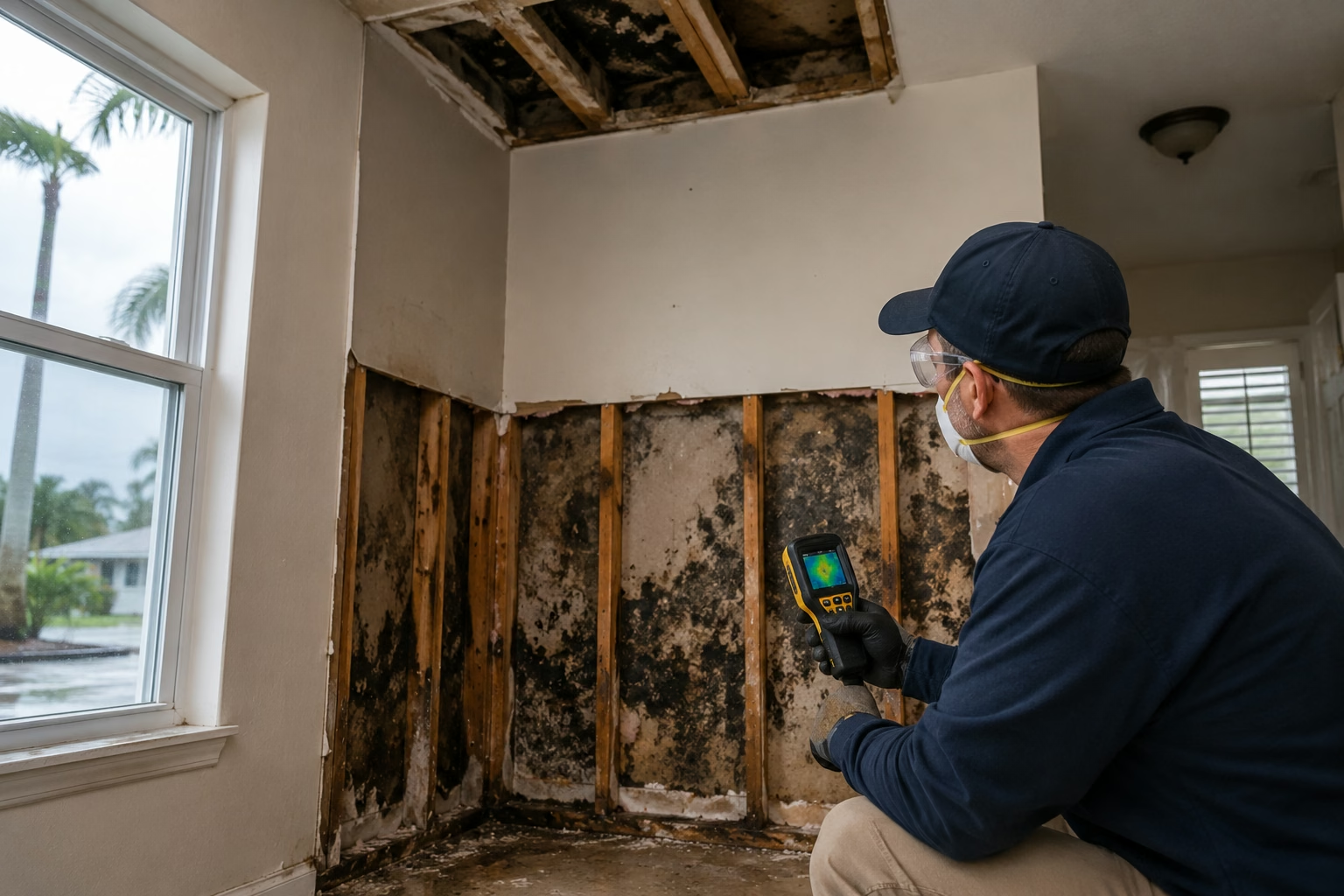
If materials genuinely need to be removed for health or safety reasons before the adjuster arrives — saturated drywall posing a mold risk, for example — photograph and measure everything first and keep a written record of what was removed, why, and when. Learn more about how the claims process works in our post on how to file a hurricane damage insurance claim in Florida.
Document Every Mitigation Step You Take
Emergency mitigation costs — roof tarping, water extraction, boarding up windows — are generally reimbursable under your homeowners policy. But they need to be documented to be compensable. Photograph the damage before mitigation begins, photograph the mitigation work in progress, and keep every receipt for materials, equipment rentals, or contractor costs.
Maintain a written log of every action taken, with dates and times. This log serves two purposes — it supports reimbursement of mitigation costs, and it demonstrates to your insurer that you took reasonable steps to prevent further damage, which is typically required under the terms of your policy.
Frequently Asked Questions
What should I photograph after a hurricane for my insurance claim? Document the full exterior of the property before going inside, then every room interior — affected or not — before touching anything. Capture wide establishing shots and close-up detail shots of all visible damage. Photograph damaged belongings individually and document any standing water, waterlines, or structural issues you observe. Video walkthroughs in addition to photos provide the most comprehensive record.
Can I throw away damaged items before the adjuster comes? Only if there is a genuine health or safety reason that makes keeping them impossible. If you must remove damaged materials before the adjuster arrives, photograph and measure everything first and keep a written inventory of what was removed and why. Contact your insurer before discarding anything of significant value whenever possible.
Does documentation affect how much my insurance pays out? Directly. Adjusters assess and compensate what is documented. Damage that was cleaned up, discarded, or repaired before the adjuster arrived may not be included in the settlement even if it clearly occurred during the storm. Thorough documentation before any cleanup begins is the single most effective step a homeowner can take to protect the value of their claim.
Work With a Restoration Team That Documents Professionally
A professional restoration team does not just mitigate damage — they document it in the format insurance carriers need. Commercial moisture readings, damage assessments, drying logs, and photographic records compiled by a certified restoration team carry significant weight during the claims process and help ensure the full scope of damage is captured before any restoration work changes the condition of the property.
Paul Davis Restoration of Miami Beach and Hialeah responds 24/7 to hurricane damage throughout Miami-Dade County. Our IICRC-certified team documents damage thoroughly from the first day on site and works directly with insurance adjusters throughout the restoration process. Contact our water damage restoration services team as soon as it is safe to reach out.
A hurricane insurance claim is only as strong as the documentation behind it. In Miami-Dade, where storm damage can be extensive and claims volume after a major hurricane is high, homeowners who document early, thoroughly, and systematically are the ones whose claims move fastest and settle most completely.
Call us before or after the storm: 305-749-5728
Paul Davis Restoration of Miami Beach and Hialeah serves Miami Beach, Hialeah, Doral, Aventura, and surrounding Miami-Dade County communities.